
Brewing analytics, notes & guides
Practical reads on beer quality control, lab testing, and getting the most out of the Beer-o-Meter.

European Alcohol Rules Are Getting Tighter. What Should Breweries Do?
Poland has just taken a major step toward banning alcohol advertising, including beer, while higher alcohol taxation is also being discussed. In the Netherlands, the government proposes linking alcohol excise to inflation and removing the reduced excise rate for small breweries from 2028. Breweries have an important place in European culture and local communities, but the operating environment is changing, and those with strong processes, low losses, reliable quality and a good alcohol-free strategy will be much better prepared.
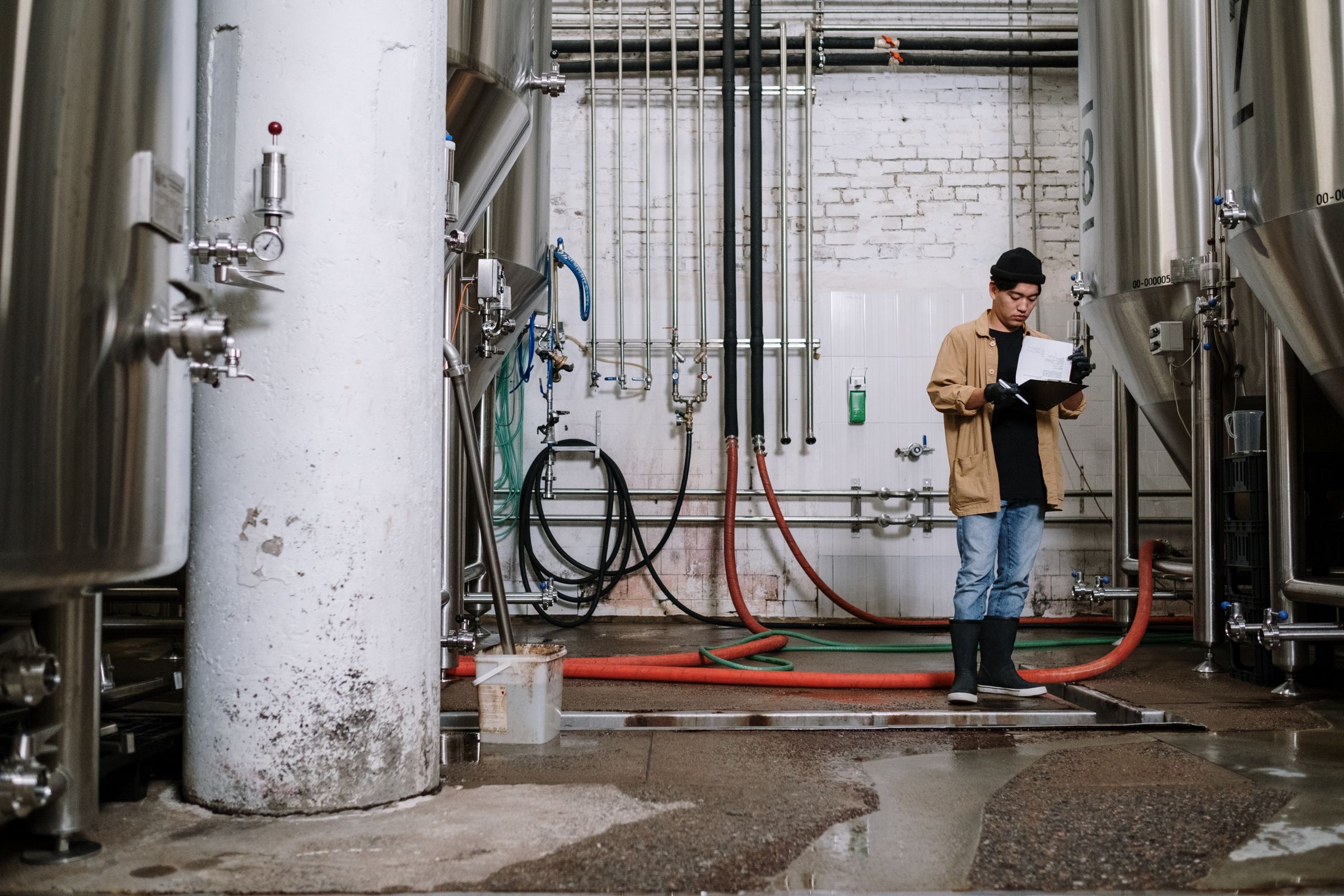
Where Is the Infection Hiding? What We Keep Finding in Breweries
Sometimes the brewery has a cleaning problem. Sometimes it has a cleanability problem. From wort chillers and ageing hoses to cracked O-rings, filling nozzles and components with moving parts, we look at the contamination sources we repeatedly encounter when investigating brewery microbiology. The key lesson is simple: if cleaning chemistry cannot physically reach a surface, a stronger cleaning programme will not solve the problem.

Why Non-Alcoholic Beer Needs to Become a Category of Its Own
Using malt, hops, water and yeast does not automatically mean we are producing the same technological product. When we limit fermentation, we change the sugar profile, flavour development and microbial stability of the beverage. We argue that NOLO beer deserves to be treated as a category in its own right, and that doing so could liberate how we think about fermentation, flavour and process design.
Low-Alcohol Beer Is Growing And It Needs a Dedicated Approach to Quality Control
Low- and no-alcohol beer continues to grow and creates interesting opportunities for craft breweries, but producing it consistently introduces different technical challenges. When alcohol is low and nutrients remain available, understanding fermentable sugars, fermentation and microbiological stability becomes especially important. We look at how laboratory measurements can support product development and help turn an interesting pilot beer into a stable and repeatable product.

Christmas Shutdown: How to Leave Your Brewery Ready for January
Most breweries carefully plan how much beer needs to be ready before Christmas, but the condition of the brewery when everybody returns in January deserves just as much attention. Beer can continue changing in tanks, yeast needs to be managed correctly and small hygiene problems can become unpleasant surprises after a longer shutdown. We look at practical steps for cleaning, microbiological control, fermentation checks and a predictable first brew of January.

A New Ingredient Is Not a Recipe: What We Took Home from the SBI Seminar
We joined the SBI Seminar in Veghel to learn more about the research behind modern brewing ingredients. The amount of research going into new yeast strains, hop products and brewing solutions is impressive, but transferring this knowledge into your own brewery requires another step. We look at how measurements can turn trial and error into controlled experimentation.
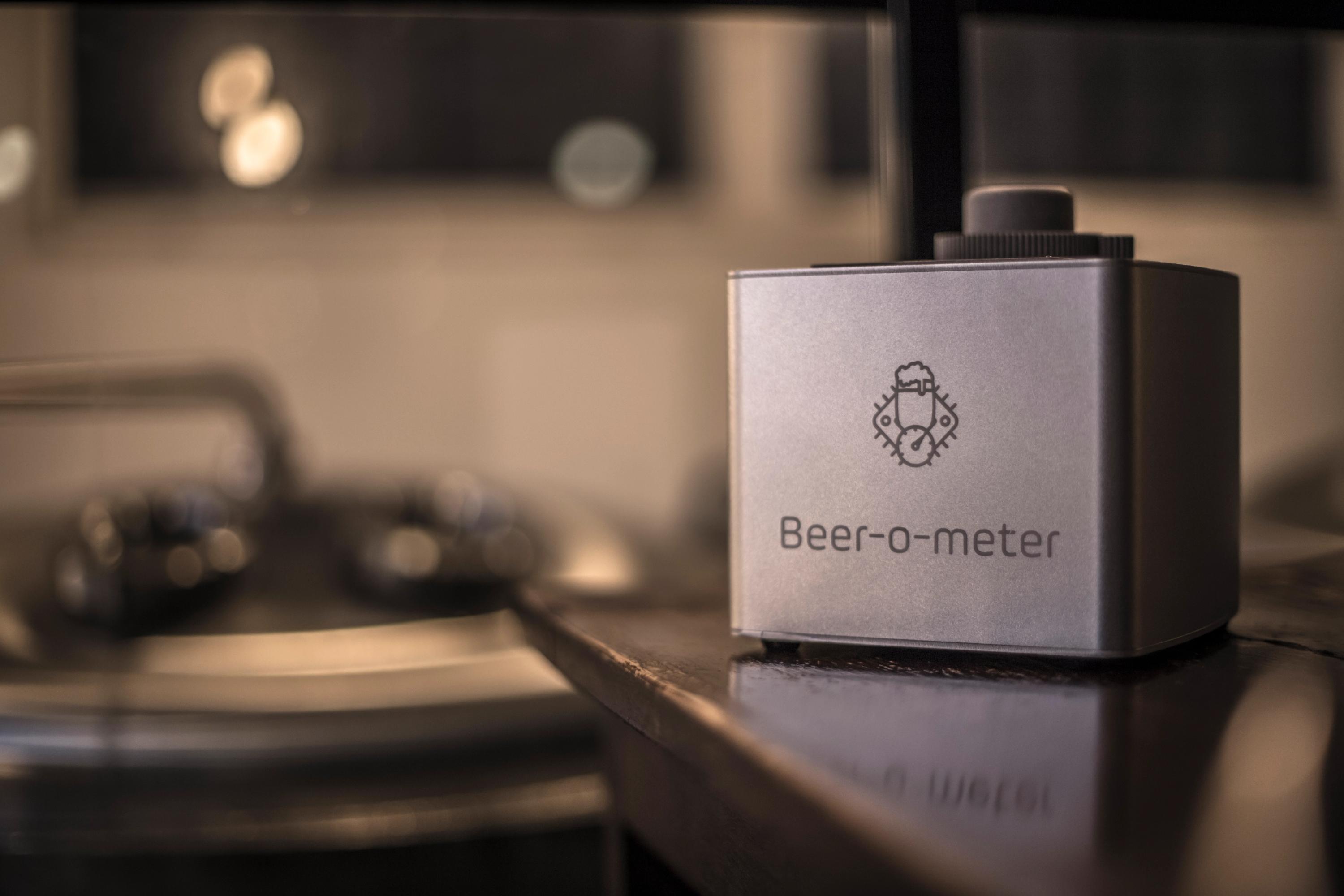
From Measuring Fermentation to Understanding It: What We Are Building Next
Beer-o-Meter is moving beyond individual measurements. We are developing new tests and software for fermentation tracking, batch comparison, recipe development and better control of unfinished fermentation and refermentation risks.
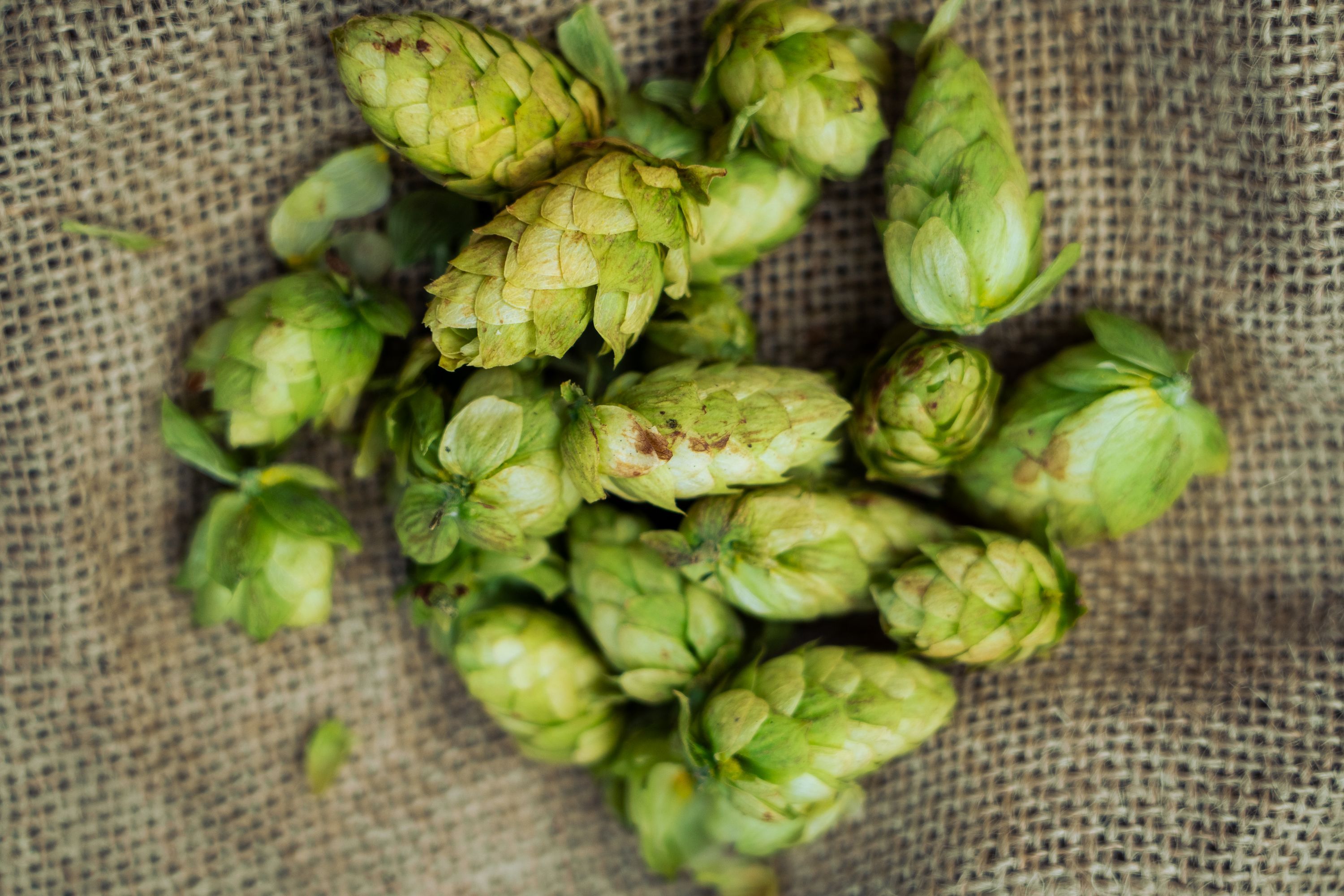
What We Have Learned About Hop Creep So Far
Dry hopping is not always the end of fermentation. Hop enzymes, active yeast, temperature and time all influence what happens after the hops enter the beer. We explain what we have learned about hop creep so far and how fermentable sugar measurements can help control the process.
Videos & walkthroughs
Short videos on the Beer-o-Meter, sample testing, and what happens to your beer inside our lab.
Short introduction to Beer-o-Meter (Dutch).
Brewing tips and product news
You can unsubscribe anytime. For more details, review our Privacy Policy.