
Brewing analytics, notes & guides
Practical reads on beer quality control, lab testing, and getting the most out of the Beer-o-Meter.
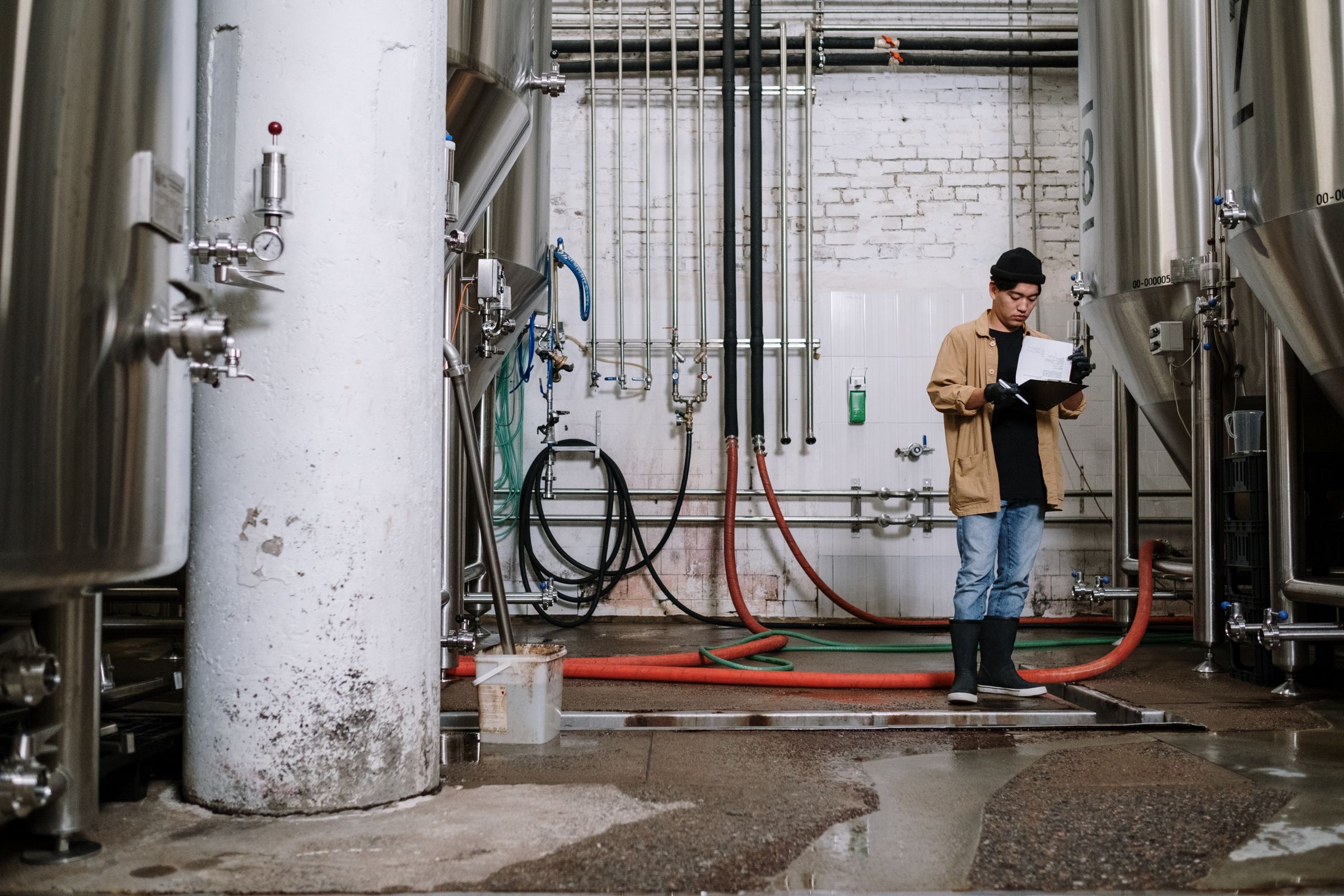
Where Is the Infection Hiding? What We Keep Finding in Breweries
Sometimes the brewery has a cleaning problem. Sometimes it has a cleanability problem. From wort chillers and ageing hoses to cracked O-rings, filling nozzles and components with moving parts, we look at the contamination sources we repeatedly encounter when investigating brewery microbiology. The key lesson is simple: if cleaning chemistry cannot physically reach a surface, a stronger cleaning programme will not solve the problem.
Low-Alcohol Beer Is Growing And It Needs a Dedicated Approach to Quality Control
Low- and no-alcohol beer continues to grow and creates interesting opportunities for craft breweries, but producing it consistently introduces different technical challenges. When alcohol is low and nutrients remain available, understanding fermentable sugars, fermentation and microbiological stability becomes especially important. We look at how laboratory measurements can support product development and help turn an interesting pilot beer into a stable and repeatable product.
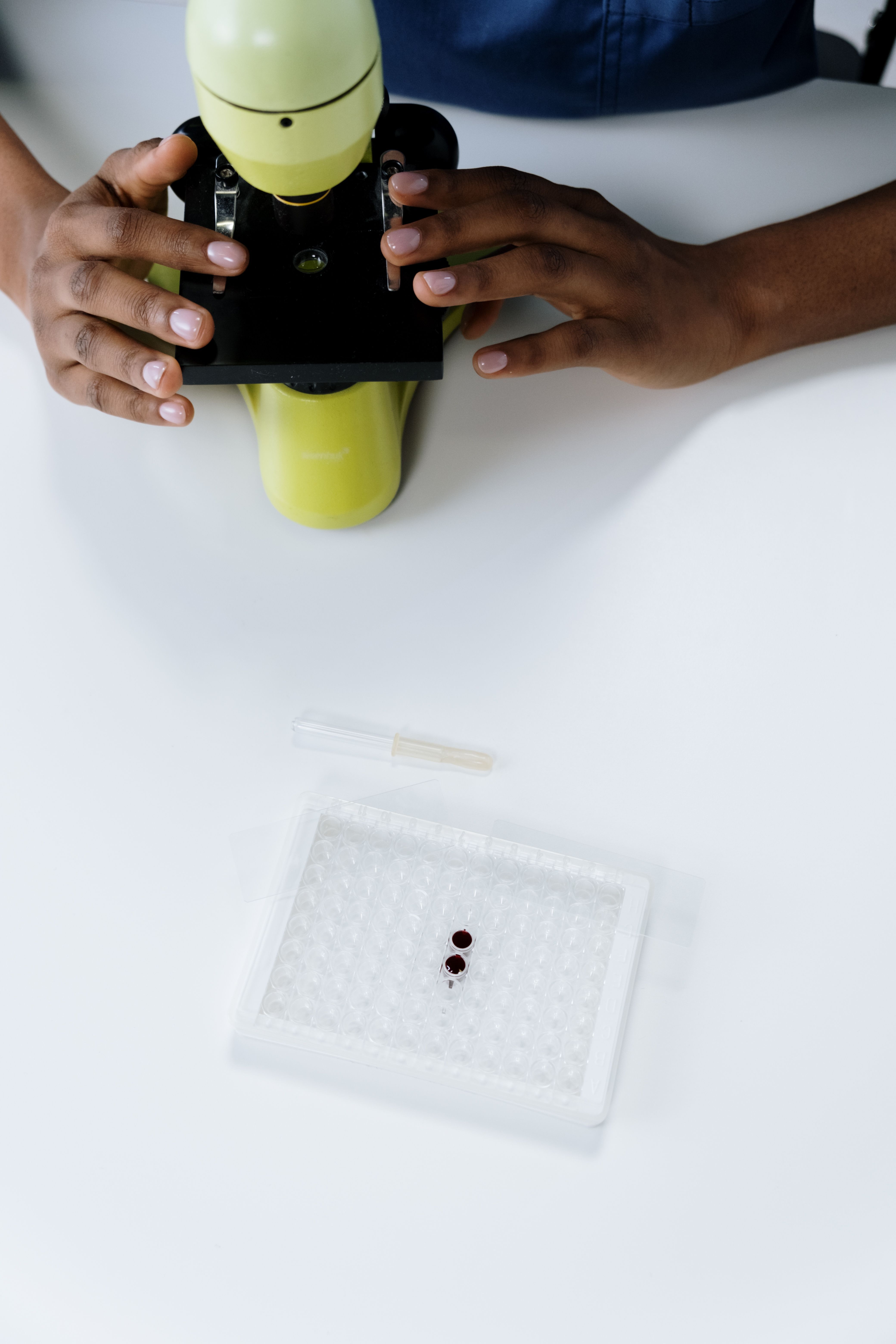
Clean Beer, Stable Beer: Why Microbiological Stability Matters
A beer can leave the fermenter tasting exactly as the brewer intended, but will it still taste the same three months later? Wild yeast and bacteria can quietly change a beer long after it leaves the brewery. We look at where contamination comes from, which organisms to watch, and how regular microbiological testing helps brewers find problems before their customers do.
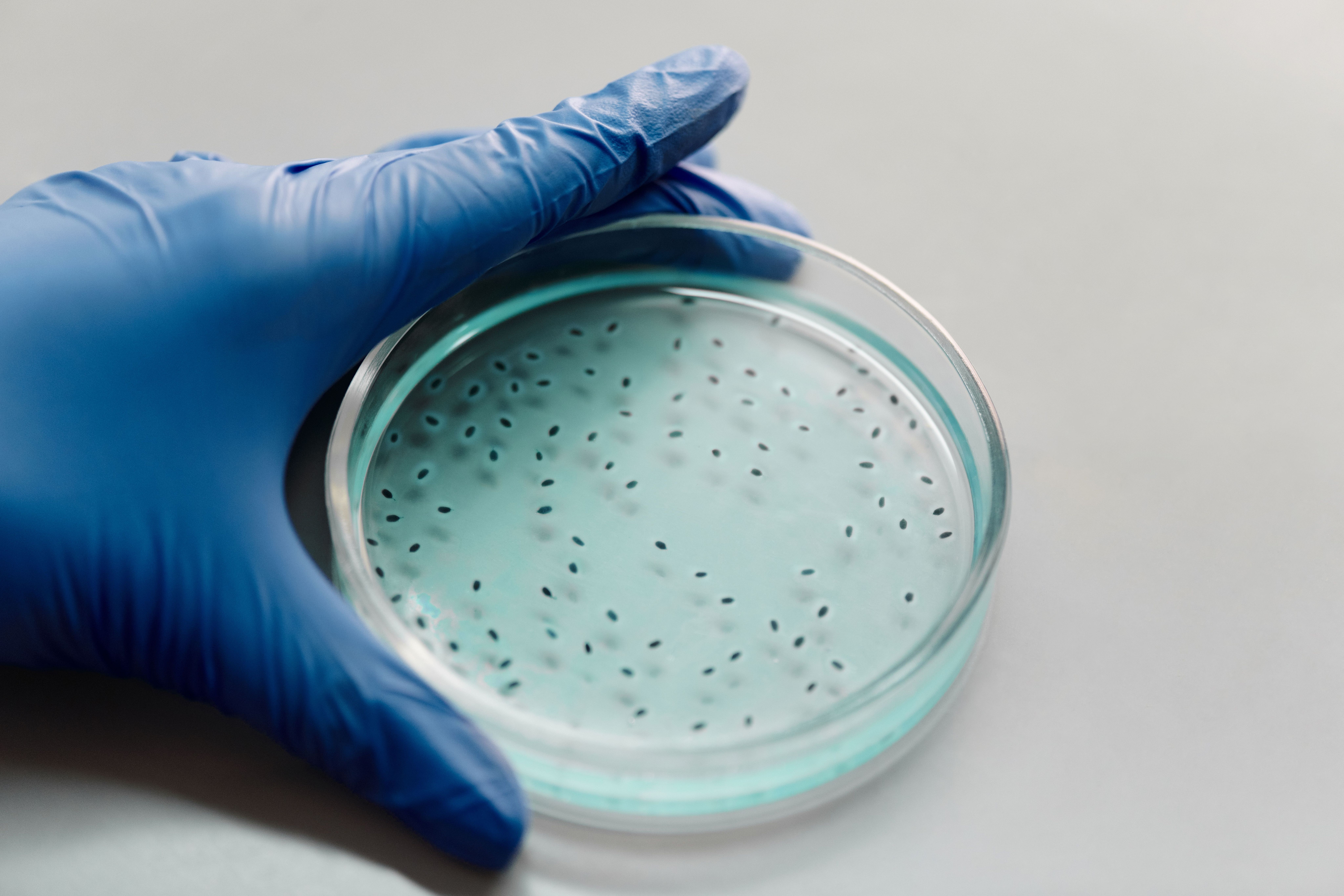
Recurring Contamination Is a Map: How Laboratory Results Help Locate the Source
A positive microbiology result confirms that something grew, but it does not automatically explain where the contamination entered the process. When the same problem returns, repeated results can be treated as a map that connects organisms with tanks, hoses, fillers, ingredients and time. The goal of testing is not only to reject one batch, but to narrow the search until the brewery can remove the source.
The Clean-Lager Test Panel: VDK, DMS, Oxygen and Microbiology
A pale lager may look straightforward on a recipe sheet, but its clean profile leaves very little room for process faults. Butter, cooked-corn notes, oxidation or low-level contamination can become obvious because there is limited roast, fruit or intense hopping to cover them. As lighter and rice-based lagers gain attention, a focused laboratory panel can help breweries release these beers with the precision their simplicity demands.
When Beer Sells More Slowly: How to Build a 30-60-90 Day Shelf-Life Test Plan
Beer does not stop changing when it leaves the filler. In a slower market, packaged stock may remain in distribution or retail longer than the brewery originally expected, making the real product age different from the age assumed during recipe development. A structured 30-60-90 day programme helps a brewery define what changes, when it becomes noticeable and which process parameter limits the shelf life.
Microbial Testing in Beer
When you open a beer, you expect it to be clean, fresh, and exactly how the brewer intended. But sometimes, unwanted microbes sneak into the process and even small amounts can ruin flavor, cause haze, or spoil shelf life.
What Are Fermentable Sugars in Beer And Why They Matter
Brewing is an art of sugar management. Not all sugars are the same - some ferment fully into alcohol and CO₂, others linger and add sweetness or body. Understanding and measuring fermentable sugars is key to brewing beers with the right flavor, body, and alcohol level.
Videos & walkthroughs
Short videos on the Beer-o-Meter, sample testing, and what happens to your beer inside our lab.
Short introduction to Beer-o-Meter (Dutch).
Brewing tips and product news
You can unsubscribe anytime. For more details, review our Privacy Policy.