
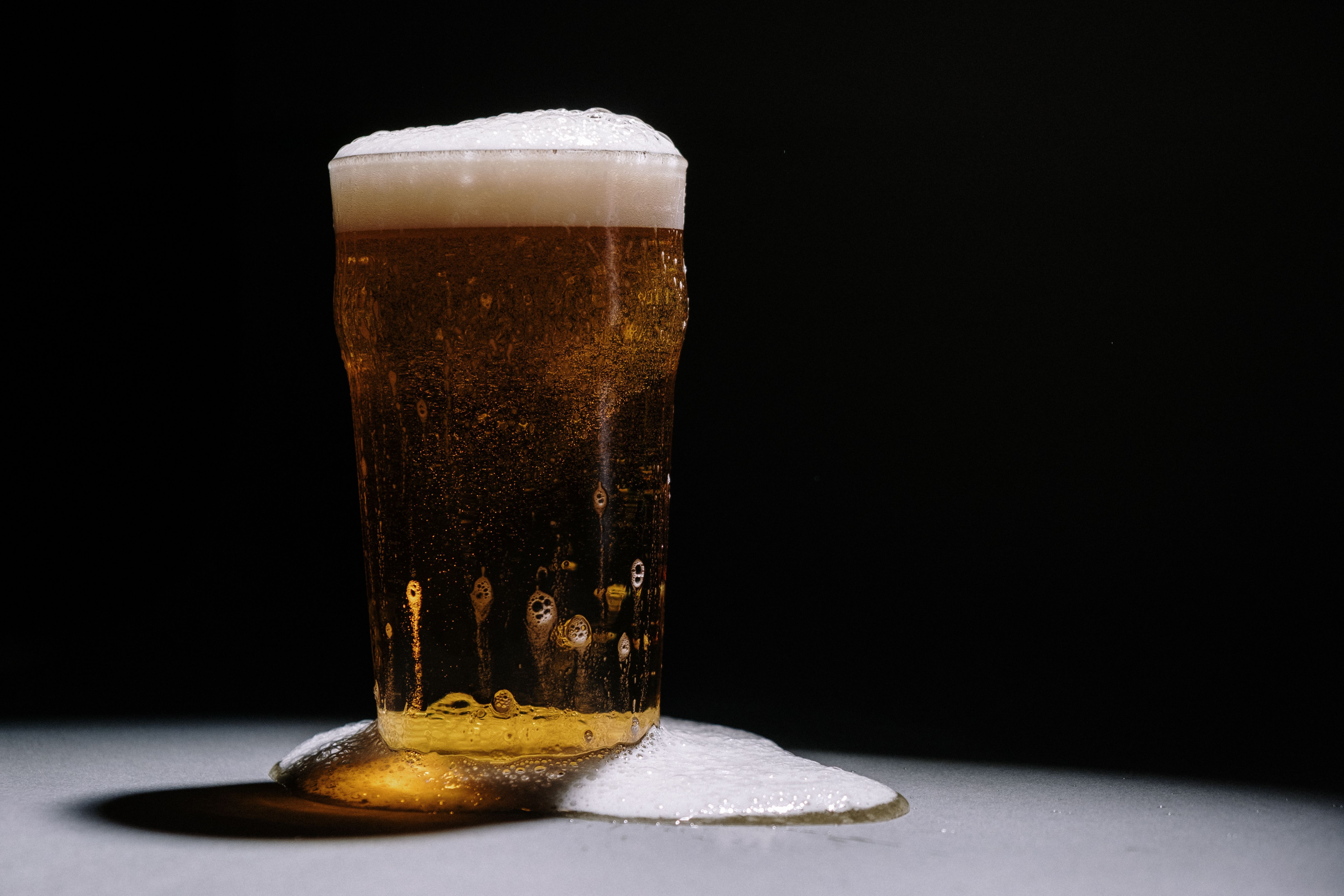
VDK checks whether maturation is truly complete
Vicinal diketones, particularly diacetyl, can create buttery or butterscotch-like character when present above the sensory threshold. Yeast can reduce these compounds during maturation, but the reduction depends on healthy yeast, sufficient contact time and appropriate temperature. A beer that has reached final gravity may therefore still need time before it is ready to package.
A VDK test gives the brewery evidence that maturation has progressed beyond the apparent fermentation endpoint. This is particularly valuable when tank capacity is tight and the temptation to shorten lagering is strong. The test does not replace sensory evaluation, but it supports the release decision when the beer is close to the threshold or the team is comparing different maturation schedules.
DMS separates raw-material potential from process control
Dimethyl sulfide can produce aromas associated with cooked maize, cabbage or vegetables, although the perception and acceptability depend on style and concentration. Its formation is connected to malt precursors, wort heating, evaporation, chilling and the handling of hot wort. A lager brewed with pale malt can therefore show DMS even when fermentation itself performs normally.
Laboratory testing is useful when the sensory result is uncertain or when the brewery wants to validate a process change. Comparing DMS after adjustments to boil intensity, kettle loading, whirlpool residence or cooling can show whether the change has actually reduced the risk. The result also prevents the team from blaming yeast for a compound that may have originated earlier in production.
Oxygen predicts how the lager will travel
A clean lager can be highly sensitive to oxygen because subtle changes in malt freshness, bitterness and aroma are easy to notice. Dissolved oxygen in the finished package provides an immediate view of packaging performance, while stored samples show how that oxygen affects the beer over time. A low result does not guarantee unlimited shelf life, but it removes one major driver of premature ageing.
The measurement should be interpreted with the filling technology, package format and intended market in mind. A lager sold quickly in the taproom and one shipped through a national distributor may require different oxygen targets and shelf-life evidence. The important point is that oxygen is measured in the package the customer receives, not only in the brite tank before filling.
Microbiology protects the clean flavour and the package
Microbial contamination does not always create an immediate dramatic sourness. Low levels of lactic acid bacteria or wild yeast may initially be hidden, then develop during storage as the organisms use remaining nutrients. In a lager with a subtle flavour profile, small changes in acidity, haze, attenuation or carbonation can become noticeable quickly.
A microbial test can identify growth and estimate the number of viable organisms, giving the brewery a stronger basis for release or investigation. The risk is especially important in products with residual fermentable sugar, lower alcohol or higher pH. When contamination appears repeatedly, the result should lead to a sampling map rather than an isolated decision to clean everything again.
Use one panel to answer four different questions
The clean-lager panel works because each test addresses a different part of the process. VDK asks whether yeast maturation is complete, DMS examines a wort-production risk, oxygen assesses packaging and freshness, and microbiology evaluates biological stability. A beer can pass three tests and fail the fourth, which is why one general sensory approval cannot always reveal the source of future change.
The panel can be adapted to the brewery's risk and budget. A new lager entering distribution may justify the full combination, while an established local lager may use regular oxygen and microbiology checks with periodic VDK and DMS verification. Our laboratory offers all four analyses and can help define when to sample, so breweries of different sizes can build evidence around the same goal: a lager that remains as clean in the customer's glass as it was in the tank.