
Brewing analytics, notes & guides
Practical reads on beer quality control, lab testing, and getting the most out of the Beer-o-Meter.

Why Non-Alcoholic Beer Needs to Become a Category of Its Own
Using malt, hops, water and yeast does not automatically mean we are producing the same technological product. When we limit fermentation, we change the sugar profile, flavour development and microbial stability of the beverage. We argue that NOLO beer deserves to be treated as a category in its own right, and that doing so could liberate how we think about fermentation, flavour and process design.
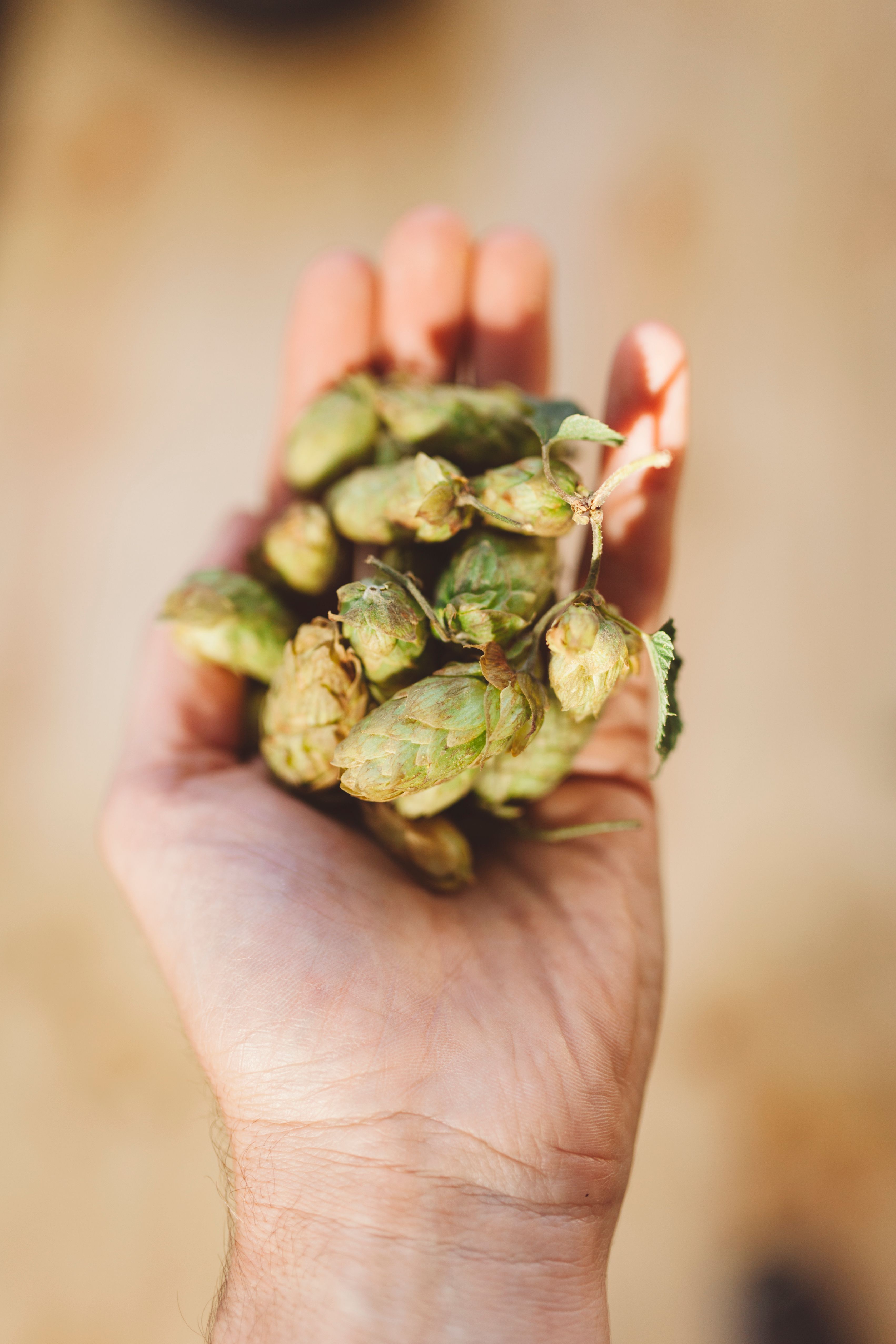
Residual Fermentable Sugars: What Can Still Happen After Primary Fermentation?
Reaching the expected end of primary fermentation does not always mean the sugar story is finished. Dry hopping can create new fermentable substrate, viable yeast can remain active during packaging, bottle conditioning deliberately restarts fermentation, and low- or non-alcohol beer can leave very different sugar profiles depending on how fermentation was controlled.
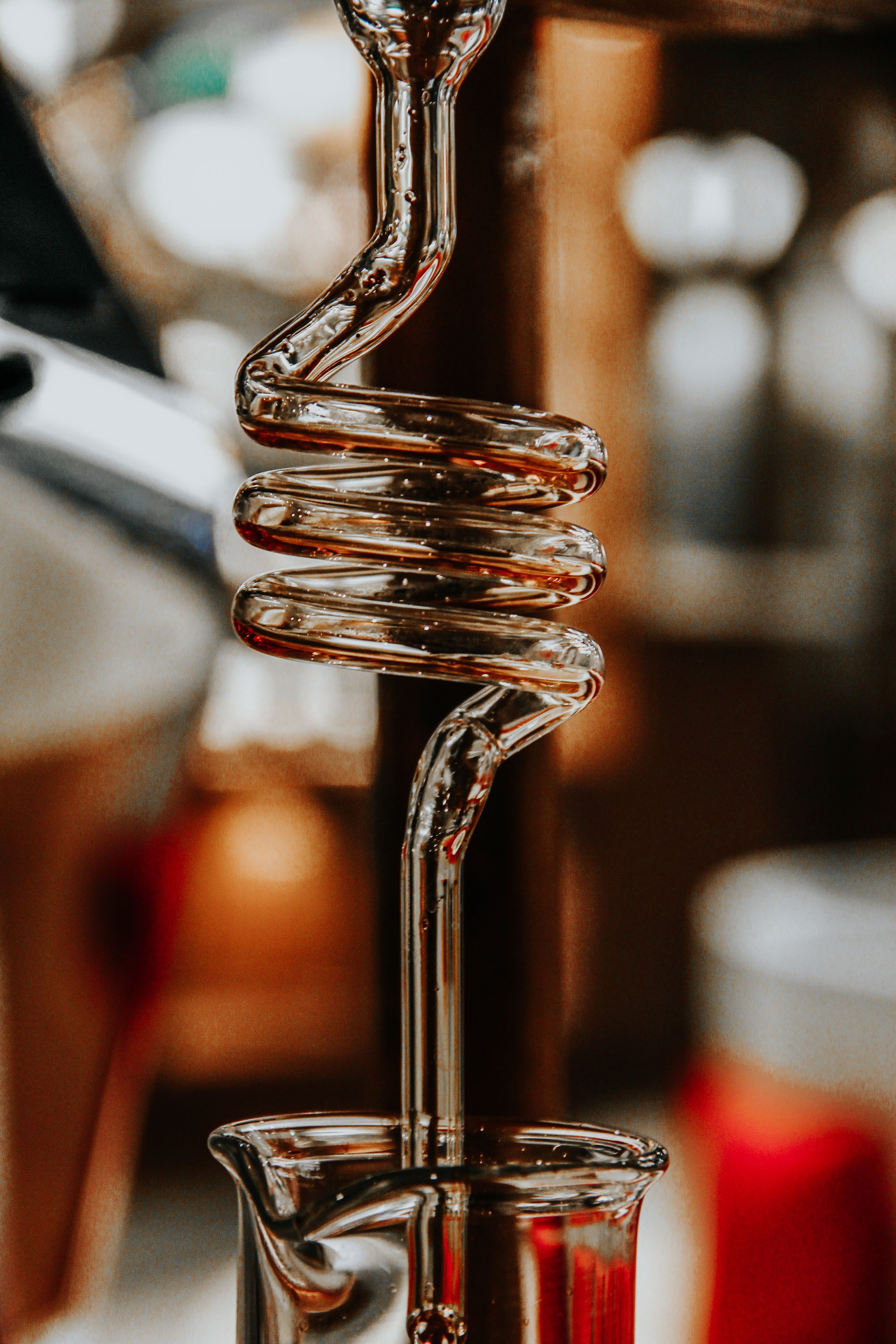
What Is Your Yeast Actually Consuming? Using Sugar Profiles to Understand Fermentation
Fermentation is often followed as a single downward trend: gravity falls, alcohol rises and the beer reaches its endpoint. That tells us whether fermentation is progressing, but not the complete story of what the yeast is actually doing. Looking at total and individual fermentable sugars gives brewers another level of information about how the yeast moves through its substrate.
ABV by Design: Building a Sugar Budget for 3.4%, 4.0% and 5.0% Beer
Alcohol content is often treated as a result that is checked after fermentation, but it can also be managed as a design target from the beginning. A sugar budget links the target ABV to the fermentable material entering the process, the fraction consumed by yeast and the losses that occur between wort and packaged beer. This is especially useful as breweries create broader portfolios with sessionable, low-alcohol and conventional-strength products.
The Fermentability Fingerprint: How to Compare Malt Lots, Adjuncts and Recipes
Brewers often notice that a familiar beer behaves differently before they can explain why. The recipe is unchanged, the original gravity is on target and the yeast appears healthy, yet the fermentation curve or final alcohol moves. A fermentability fingerprint turns sugar measurements into a practical baseline for comparing raw materials, mash performance and recipe changes.
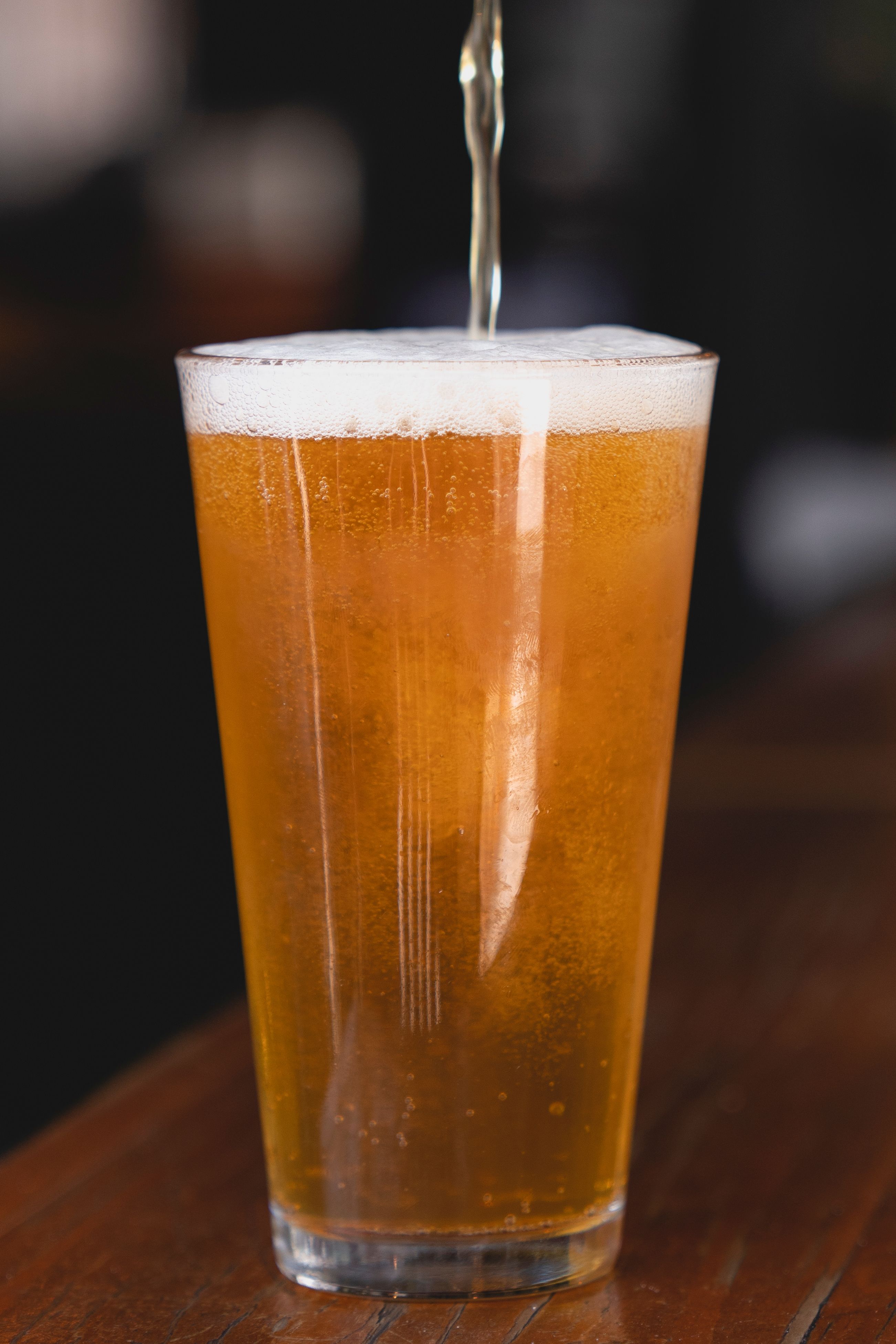
Same Gravity, Different Fermentability: Why Sugar Composition Matters in Modern Lagers and Low-ABV Beer
Two worts can show the same original gravity and still behave differently in fermentation. Gravity describes the overall density of the liquid, but yeast responds to the specific sugars and nutrients inside that total extract. As lighter lagers, low-alcohol beer and more diverse raw materials gain attention, understanding fermentability becomes more valuable than simply hitting the expected Plato value.
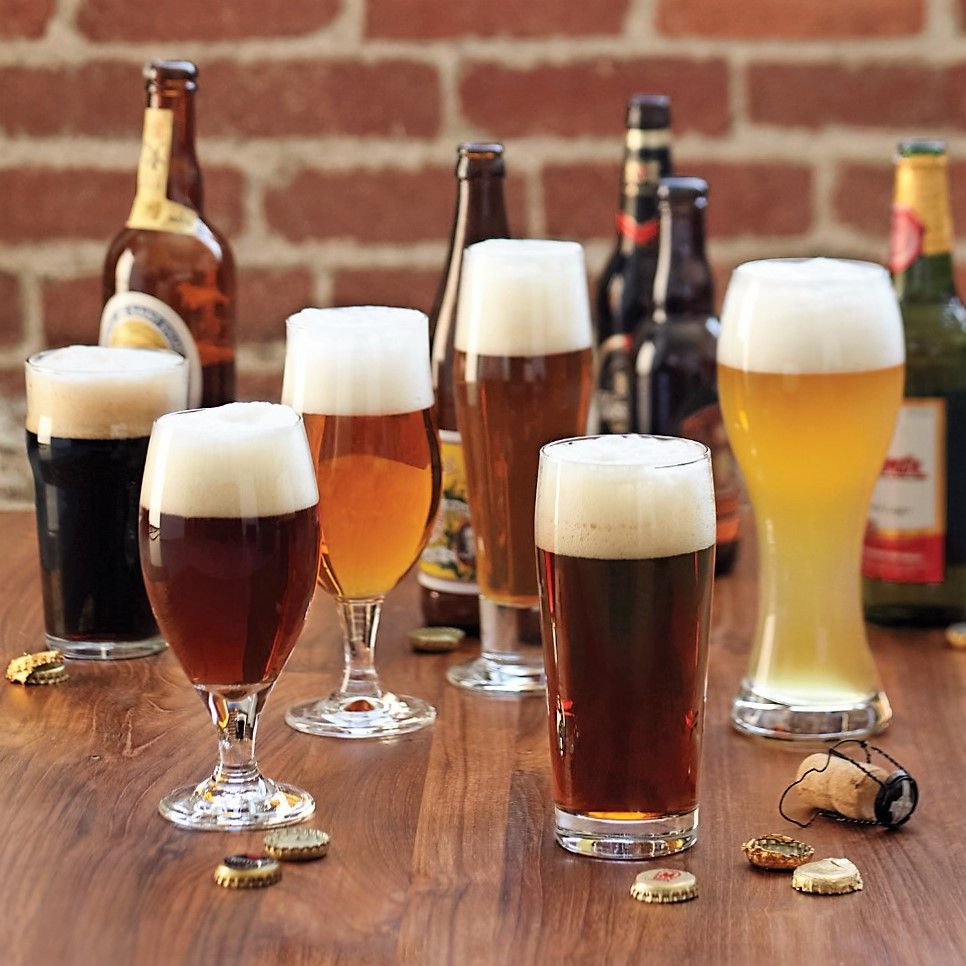
What's Left After Fermentation? How Residual Sugars Shape the Beer You Actually Drink
Final gravity alone can't tell you what's really left in the glass. A look at how residual and fermentable sugars shape flavour, stability and drinkability - and how Beer-o-Meter helps brewers measure them directly.
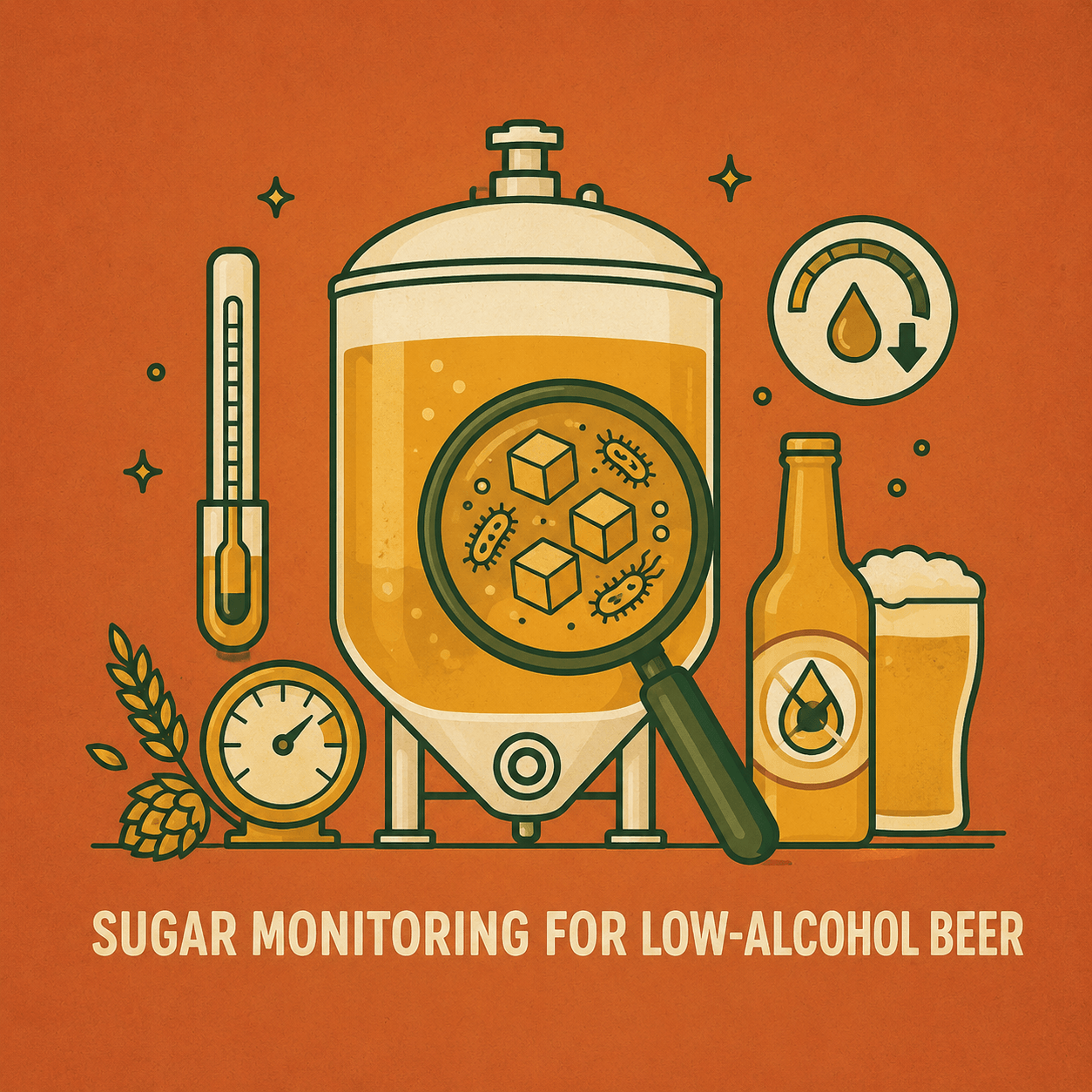
Fermentable Sugar Monitoring in Non-Alcoholic and Low-Alcohol Beer Production
Non-alcoholic and low-alcohol beers are becoming more popular, but they are also technically difficult to produce. Measuring fermentable sugars gives brewers a clearer view of how much sugar is still available and how much alcohol could form.
Videos & walkthroughs
Short videos on the Beer-o-Meter, sample testing, and what happens to your beer inside our lab.
Short introduction to Beer-o-Meter (Dutch).
Brewing tips and product news
You can unsubscribe anytime. For more details, review our Privacy Policy.