
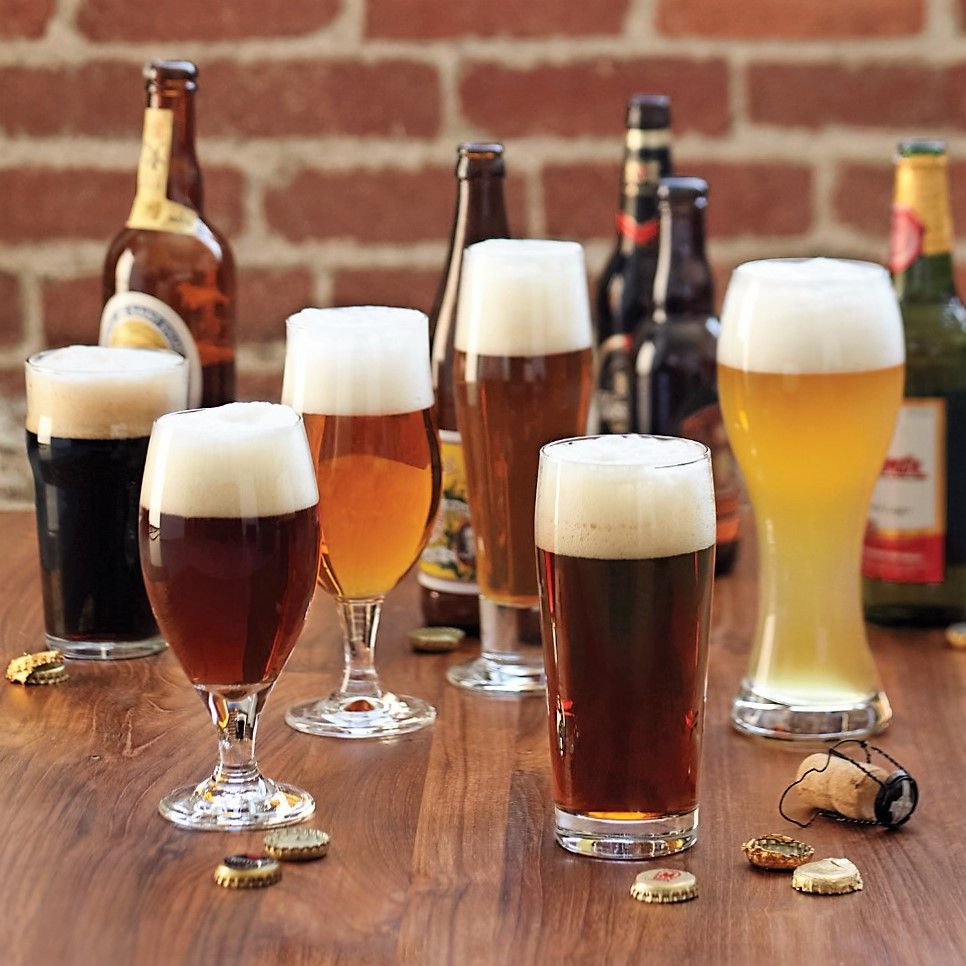
Fermentation is often described as the moment when yeast turns sugar into alcohol and carbon dioxide. That description is correct, but incomplete. Beer fermentation rarely removes every sugar from the beer, and what remains can have a major influence on flavour, mouthfeel, stability and drinkability.
Residual sugars are not simply “unfinished fermentation.” In many beers, some sweetness is intentional. It can support malt flavour, soften bitterness, add body and make a strong beer feel rounder. The challenge is knowing whether the remaining sugar is part of the recipe or the result of a process that did not go as planned.
A beer with too little residual sugar may taste thin, sharp or overly dry. A beer with too much can become heavy, sticky or cloying. It may taste impressive on the first sip but become difficult to finish. In other cases, the sugar may still be fermentable, creating a risk that yeast activity restarts during conditioning or after packaging.
This is why understanding what remains after fermentation is just as important as knowing the original gravity at the start.
Not everything that contributes to gravity is sugar
Brewers often use final gravity as an indication of fermentation progress. It is a useful measurement, but it does not reveal the composition of the beer.
Final gravity is influenced by many dissolved compounds, including sugars, dextrins, proteins, minerals, organic acids and other fermentation products. Two beers with the same final gravity may therefore contain very different amounts of fermentable sugar.
Dextrins are longer-chain carbohydrates that contribute body and mouthfeel but are not normally consumed by standard brewing yeast. Fermentable sugars, on the other hand, may still be metabolised when conditions allow.
That distinction matters. A high final gravity caused mainly by dextrins may be exactly what the brewer intended. A similar gravity caused by maltose, glucose or other fermentable sugars could indicate an incomplete fermentation.
Density tells you how much material is dissolved in the beer. It does not tell you what that material is.
Residual sugar determines more than sweetness
The most obvious effect of residual sugar is sweetness, but its impact is broader.
Sugar can soften bitterness and acidity, which is valuable in strong dark beers and sour styles. It can also reinforce fruit character and create a fuller texture. At the same time, excessive residual sugar can reduce drinkability by making the beer feel syrupy or unbalanced.
The perception of sweetness also depends on the rest of the beer. A moderate sugar concentration may be hardly noticeable in a bitter, acidic or highly alcoholic beer, while the same amount may dominate a lighter product. This is why sensory evaluation alone is not always enough to understand the actual sugar content.
Residual fermentable sugars also affect stability. A beer may appear finished because the gravity has stopped changing, but yeast activity may have slowed because of low temperature, nutrient limitation, alcohol stress or poor yeast health. If the beer is later warmed, blended or packaged, fermentation can restart.
The consequences may include increasing carbonation, flavour changes, higher alcohol content, sediment formation and loss of consistency during shelf life.
For some beer and beer-based beverage categories, sugar content may also be subject to specific compositional or labelling requirements. In those cases, relying only on gravity or a recipe calculation may not provide enough information about the finished product.
Some beers are especially prone to high residual sugar
High-gravity beers naturally require closer attention. Imperial stouts and barley wines begin with large amounts of sugar and place considerable stress on the yeast. As the alcohol level rises, fermentation becomes more difficult. Even a small problem with pitching rate, oxygenation, temperature or yeast vitality can leave substantially more sugar than expected.
This is not always obvious from the style. A full-bodied imperial stout may taste rich and balanced even when fermentation has stopped too early. The difference between intentional sweetness and incomplete attenuation can only be understood properly when the remaining fermentable sugars are measured.
Fruited sours and pastry sours present another challenge. Fruit purées, juices and concentrates introduce glucose, fructose and sucrose, often after the main fermentation has already taken place. At the same time, the low pH of the beer can make further yeast activity more difficult.
Pastry sours may also contain lactose, syrups or other sweetening ingredients. The final sugar content can therefore be very different from the sugar content of the base beer before the additions were made.
Radlers and other beer-based blends are similar. The beer component may be fully fermented, but lemonade, juice or syrup added during blending can significantly increase the sugar concentration of the final beverage. The relevant product is the finished blend, not the beer before mixing.
Dry-hopped beers can be unexpectedly high in sugar
Dry hopping is usually discussed in relation to aroma, bitterness and oxygen exposure, but it can also change the carbohydrate profile of beer.
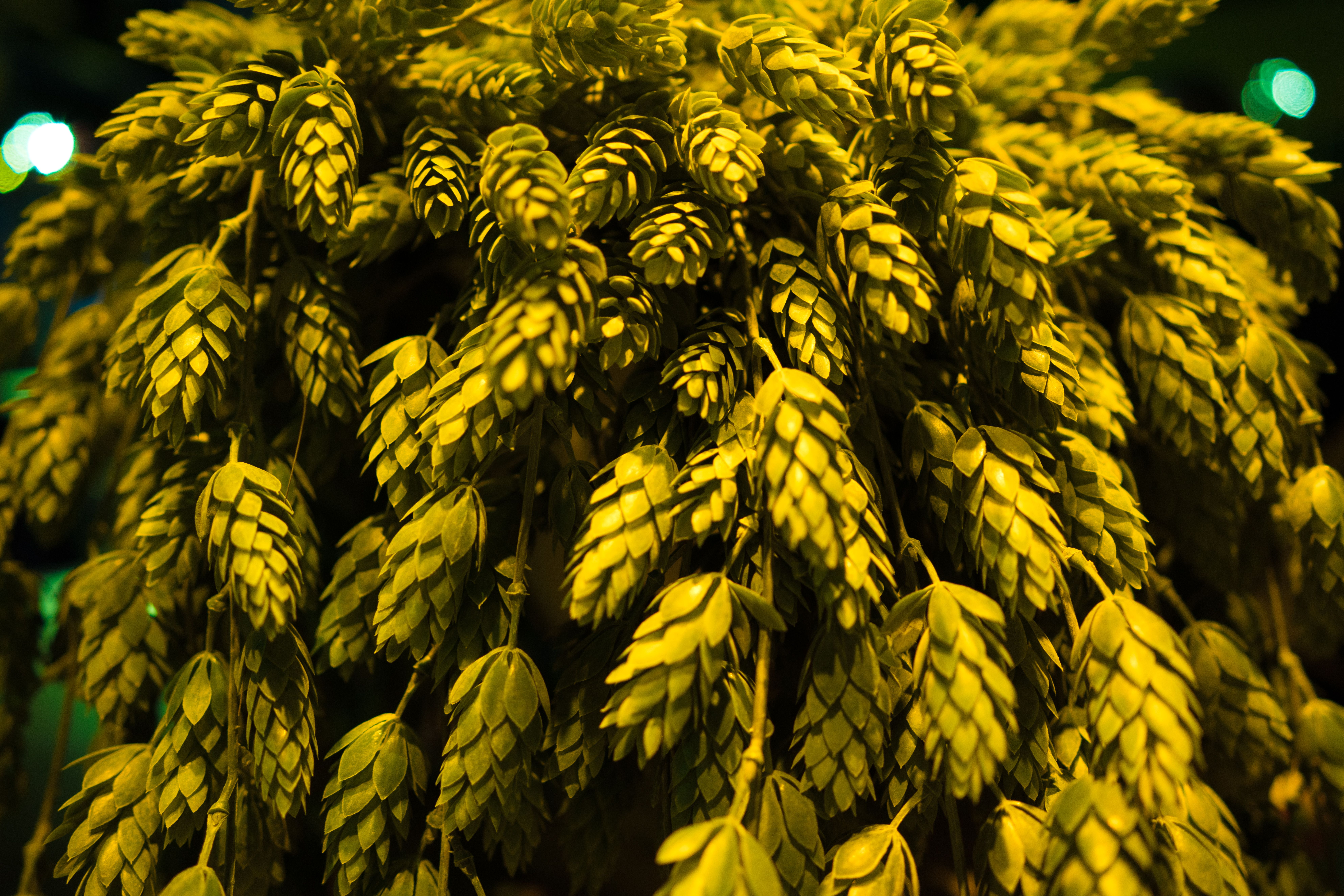
Hops contain enzymes that can break down longer-chain carbohydrates into smaller fermentable sugars. This process, often referred to as hop creep, may release new fermentable material after the main fermentation appears to be complete.
As a result, a dry-hopped beer can sometimes show a surprisingly high fermentable-sugar concentration after dry hopping, even when the gravity was stable beforehand.
The outcome depends on the hop variety, dosage, contact time, temperature and the amount of yeast still present. In some beers, the newly released sugars are fermented quickly. In others, they remain for longer or restart fermentation later in the process.
This is particularly important for heavily dry-hopped pale ales and IPAs. A gravity reading taken before dry hopping does not necessarily describe the sugar situation at packaging.
The final sugar profile starts in the mash
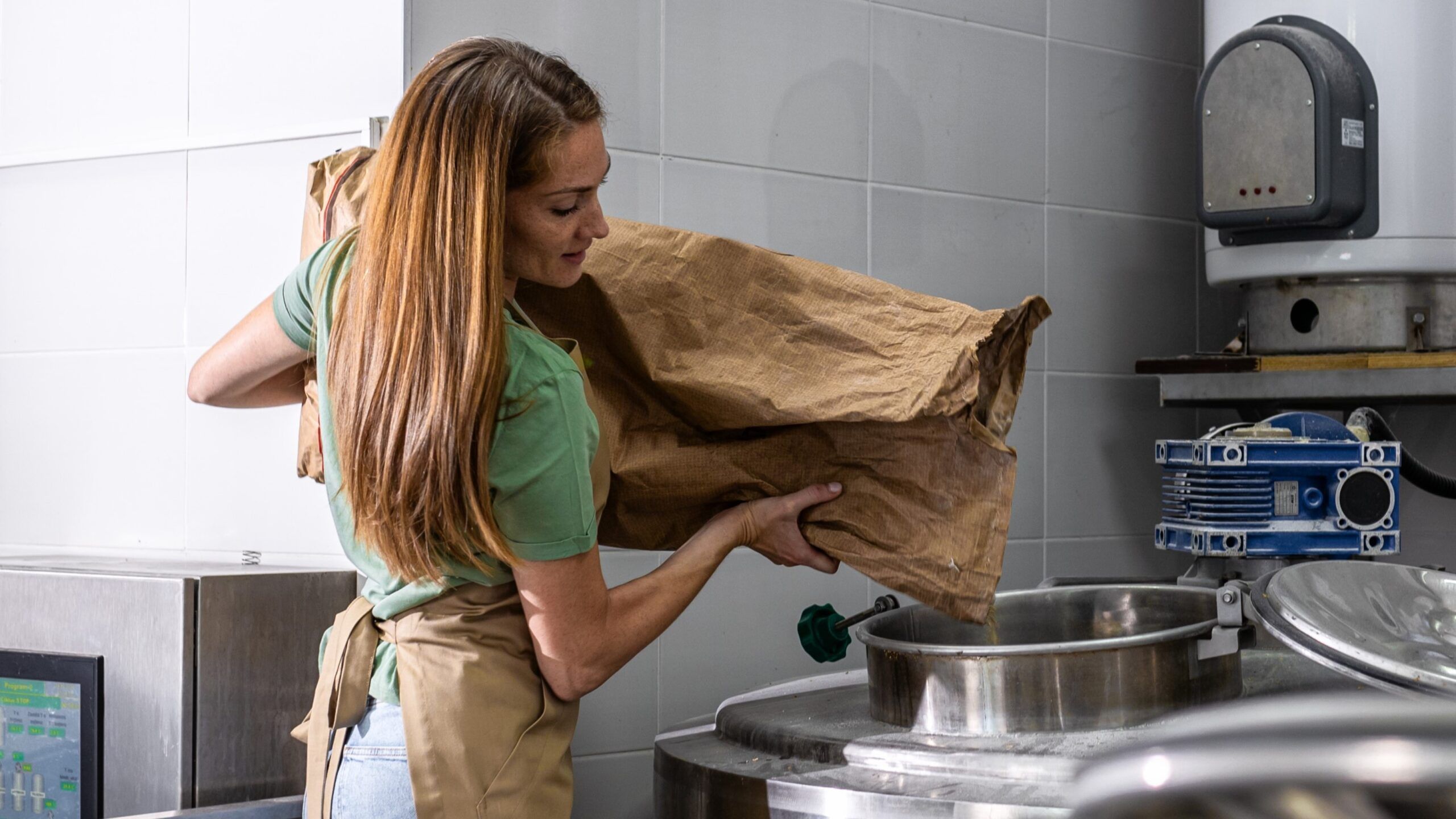
Residual sugar is not determined only in the fermenter. It begins with the mash. Mash temperature, pH, rest time, malt quality and enzyme activity affect the proportion of fermentable sugars and dextrins produced from starch. A mash that does not follow the intended profile can create a wort with a different fermentability than expected, even when the original gravity looks correct.
A more fermentable wort may produce a drier beer with higher alcohol. A less fermentable wort may create more body, but it may also leave more sugar if the yeast does not complete fermentation.
Measuring sugars at the beginning of the process creates a reference point. Measuring them again during and after fermentation shows whether the yeast is consuming them as expected.
Beer-o-Meter makes sugar control practical
Traditional sugar analysis is often treated as something that requires a specialised laboratory. Beer-o-Meter brings direct fermentable-sugar measurement into the brewery.
Instead of estimating the sugar situation from gravity alone, brewers can measure the fermentable sugars present in the wort and follow their decline throughout fermentation. This provides a clearer picture of fermentation performance and makes it easier to recognise when a batch begins to deviate from its normal profile.
A measurement after mashing confirms the fermentable-sugar starting point. Measurements during fermentation show how quickly the yeast is consuming those sugars. A final measurement helps determine whether the beer has reached the intended endpoint.

Testing can also be repeated after dry hopping, fruit addition, sweetening or blending. This is particularly valuable because these steps can introduce new sugar or make previously unavailable carbohydrates fermentable.
Beer-o-Meter does not replace the brewer’s experience. It adds direct information to decisions that are often based on timing, gravity and taste alone.
Know what remains before you package
The end of fermentation is not simply the day when the airlock becomes quiet or the gravity stops moving. It is the point at which the beer reaches the sugar profile intended by the brewer.
Residual sugars influence sweetness, body, balance and drinkability. Fermentable sugars determine whether the product is truly stable. Both deserve attention, especially in strong beers, fruited and pastry styles, Radlers and heavily dry-hopped beers.
By measuring fermentable sugars directly, Beer-o-Meter helps breweries understand what remains after fermentation, identify problems earlier and make better-informed packaging decisions.
Working on a beer where residual sugar, fermentation stability or final drinkability is difficult to predict? Contact our team to discuss how Beer-o-Meter and targeted laboratory testing can support your process.