
Brewing analytics, notes & guides
Practical reads on beer quality control, lab testing, and getting the most out of the Beer-o-Meter.

Christmas Shutdown: How to Leave Your Brewery Ready for January
Most breweries carefully plan how much beer needs to be ready before Christmas, but the condition of the brewery when everybody returns in January deserves just as much attention. Beer can continue changing in tanks, yeast needs to be managed correctly and small hygiene problems can become unpleasant surprises after a longer shutdown. We look at practical steps for cleaning, microbiological control, fermentation checks and a predictable first brew of January.
What We Have Learned About Hop Creep So Far
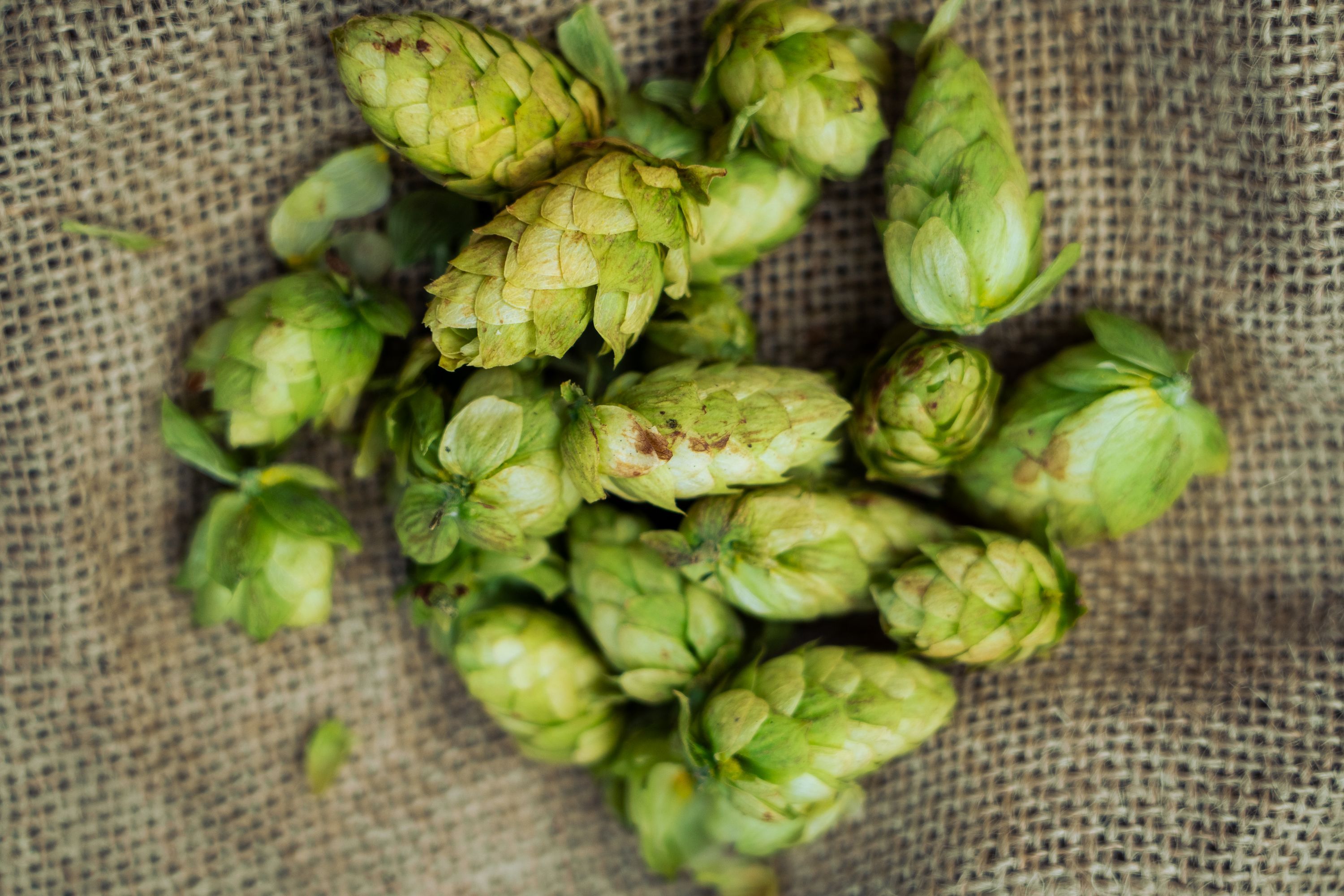
Dry hopping is not always the end of fermentation. Hop enzymes, active yeast, temperature and time all influence what happens after the hops enter the beer. We explain what we have learned about hop creep so far and how fermentable sugar measurements can help control the process.
Modern Beer Needs Modern Process Control
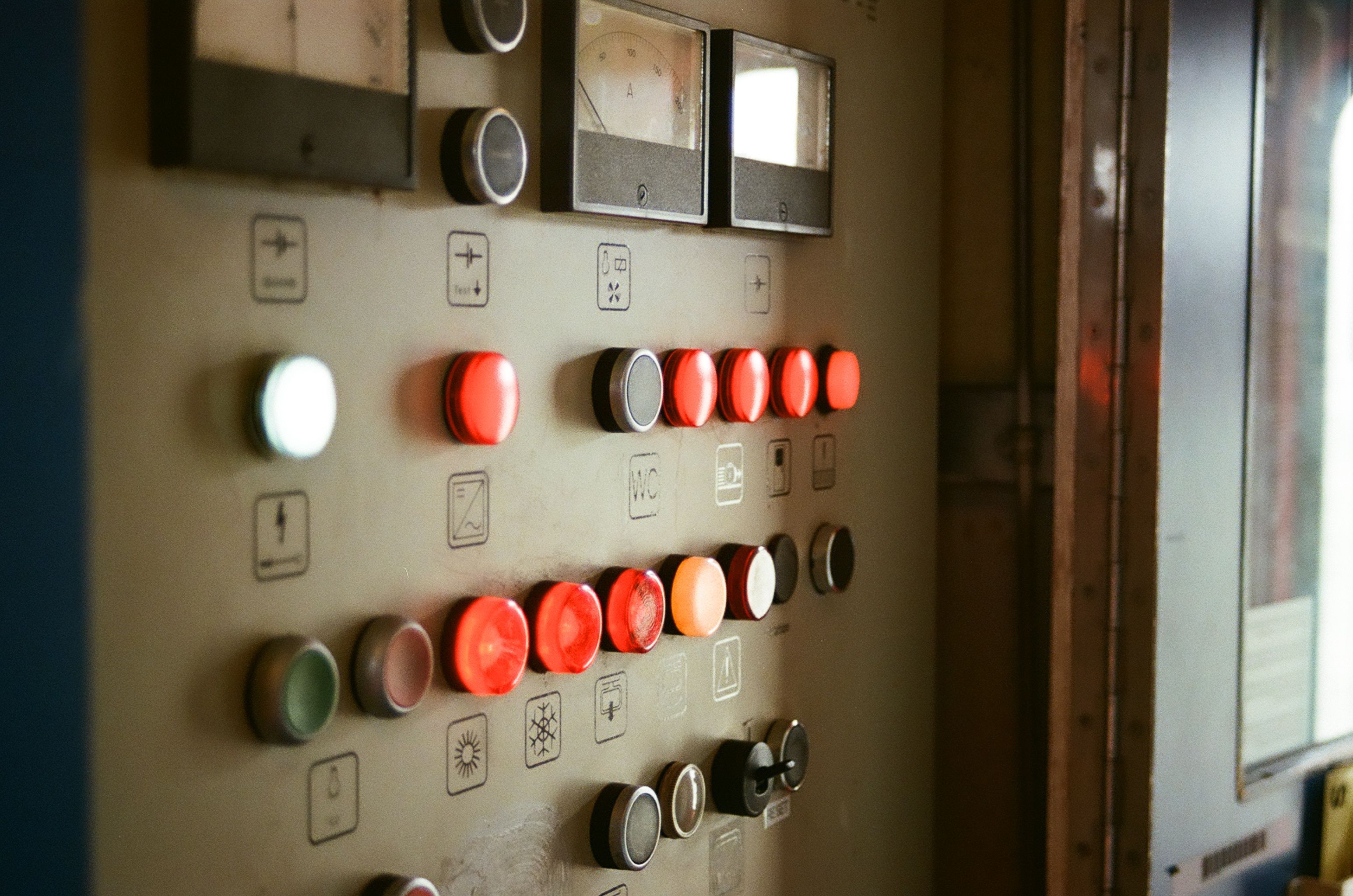
Brewing has become more technically diverse, while there is less room for inconsistency than ever. Breweries are being asked to innovate faster while simultaneously becoming more repeatable, which requires a different approach to process control: one built around decisions, not just data.
One QC Plan for Two Channels? Why Draught and Packaged Beer Need Different Release Rules
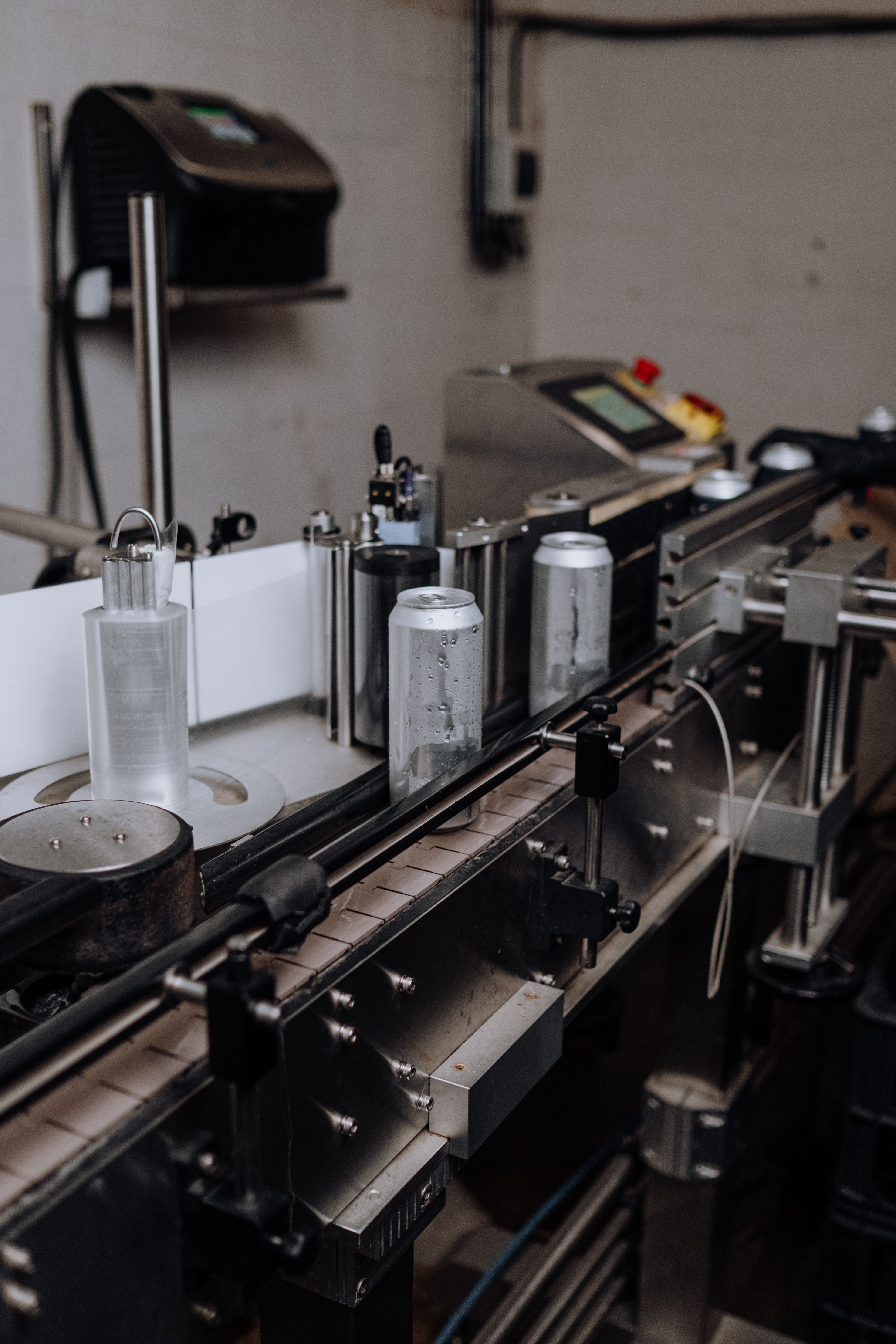
A keg poured near the brewery and a can travelling through distribution may contain the same beer, but they do not face the same journey. Storage time, oxygen exposure, temperature control, handling and the consequences of residual fermentation differ significantly between channels. Breweries therefore need one quality philosophy but more than one release decision.
Cost per Good Litre: The Brewery KPI That Matters in a Contracting Market
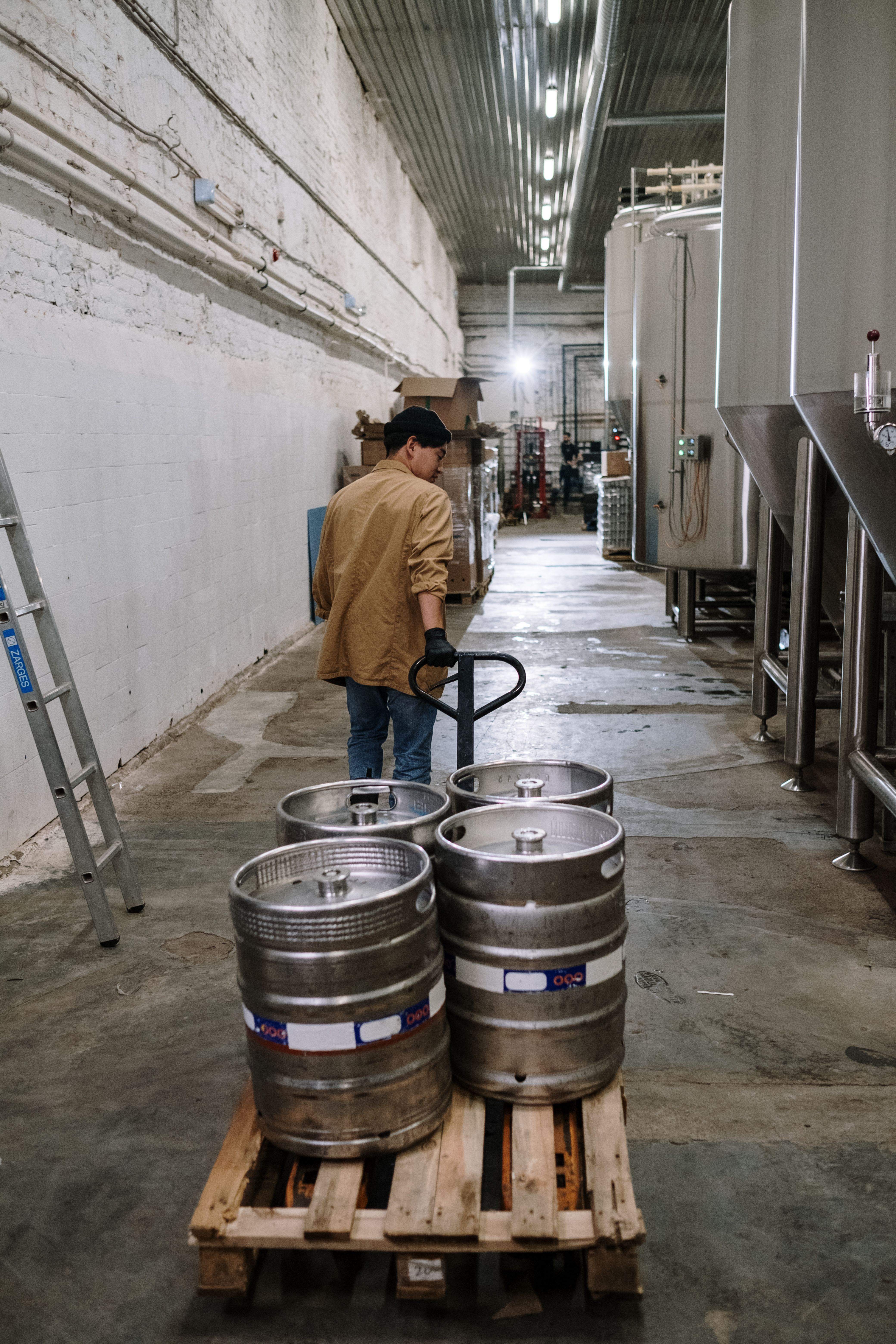
Most breweries know the cost of producing a litre of beer, but that number can hide an uncomfortable reality. Beer that is reworked, held in a tank, discounted, returned or destroyed has consumed raw materials, labour, utilities and capacity without creating its expected value. In a market where beer volumes are under pressure and operating costs remain high, the more revealing question is how much it costs to produce one litre that can be sold with confidence.
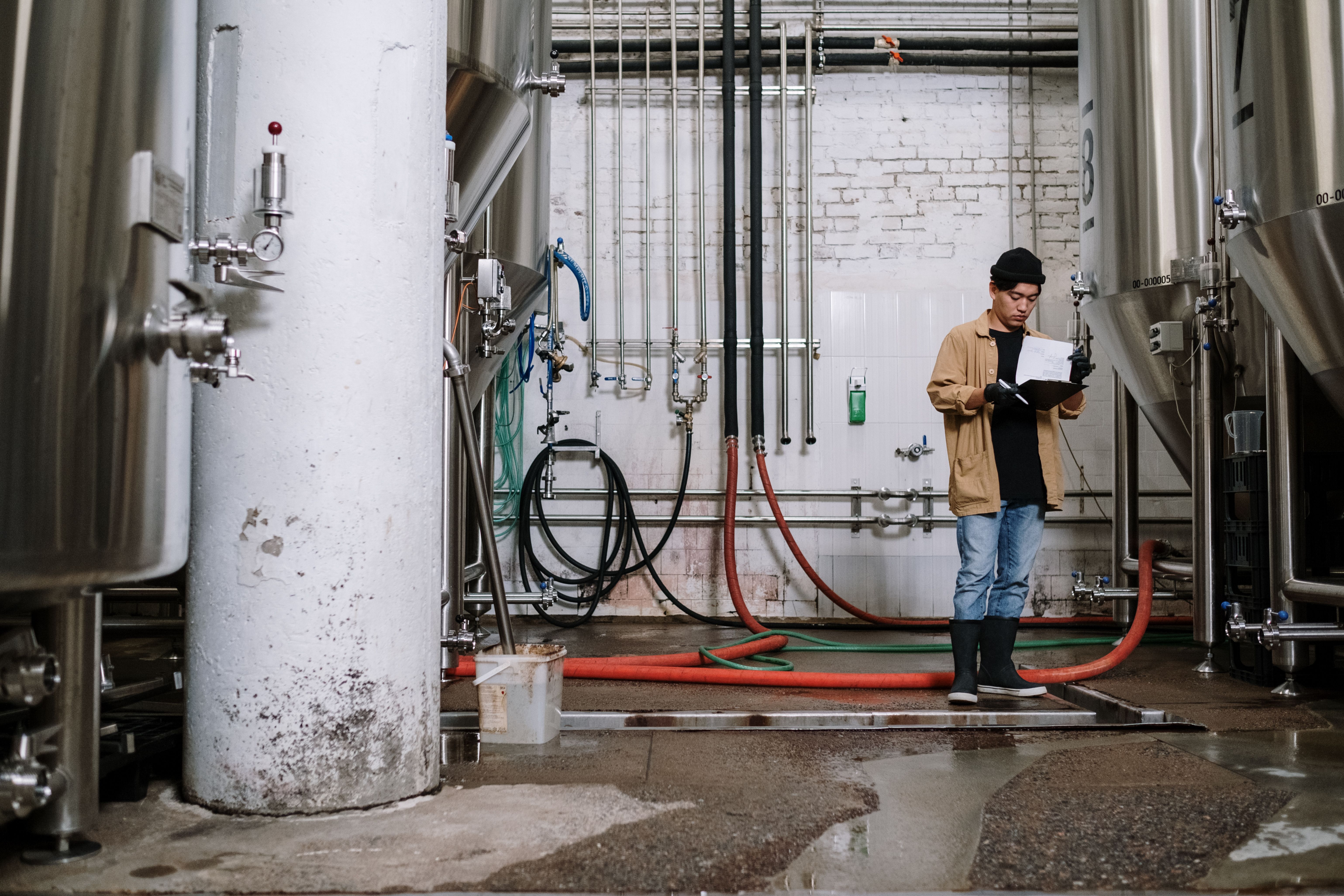
Before You Buy AI: Is Your Brewery Data Ready?
Artificial intelligence has entered brewery software, sales analysis and production planning, but AI cannot rescue measurements that are inconsistent, incomplete or disconnected from decisions. A brewery does not become data-driven because it owns more dashboards; it becomes data-driven when the same measurements are taken at the same process points and lead to clear actions. For craft brewers, the opportunity to build a process-control foundation that makes future automation genuinely useful.
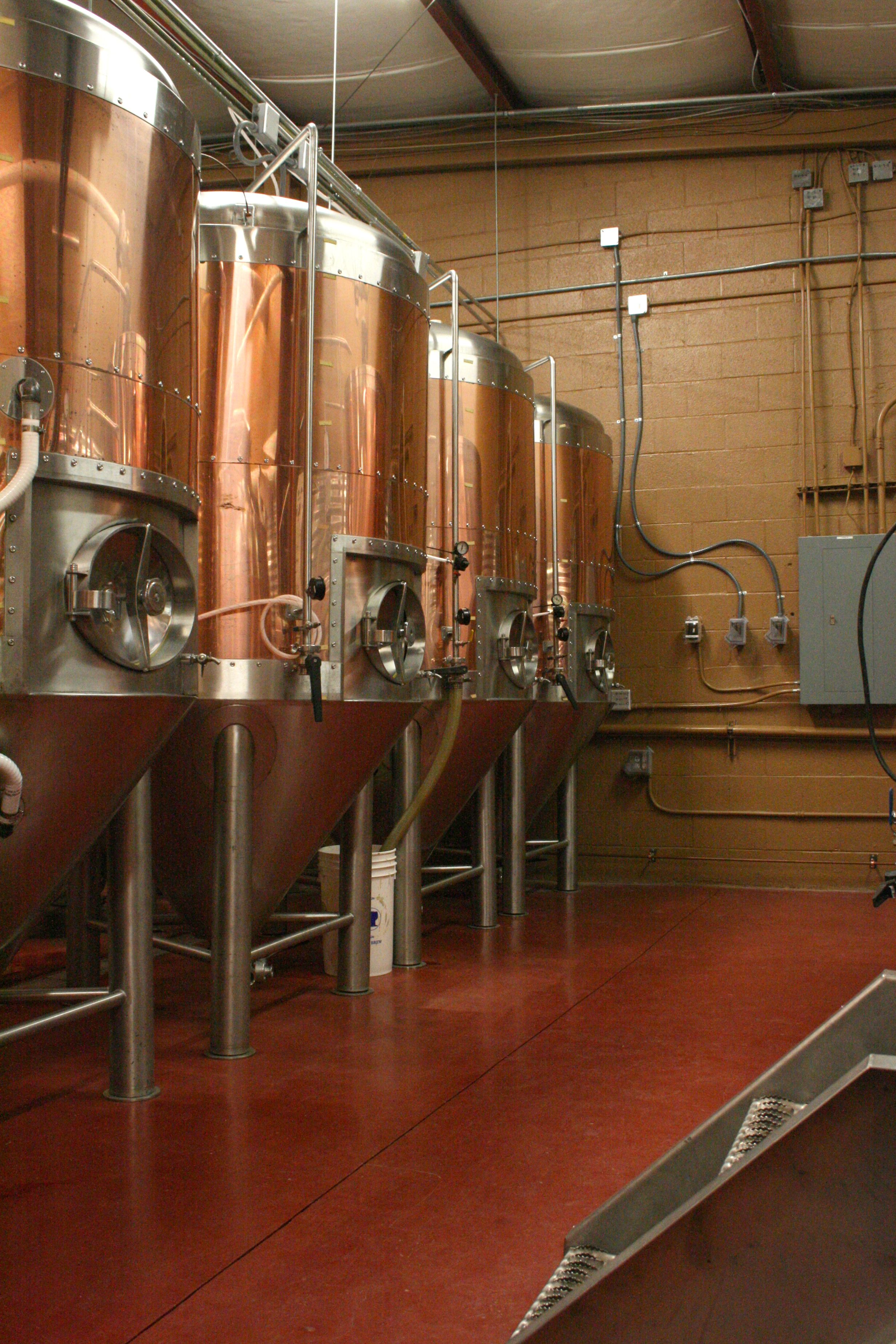
The Next Tap Is Not Always Beer: How Craft Breweries Can Build a Broader Drinks Portfolio
Consumers are exploring alcohol-free drinks, fermented sodas and fruit-based beverages alongside beer. Here's how breweries can use their fermentation expertise to diversify - with sugar monitoring and microbiology as the foundation.
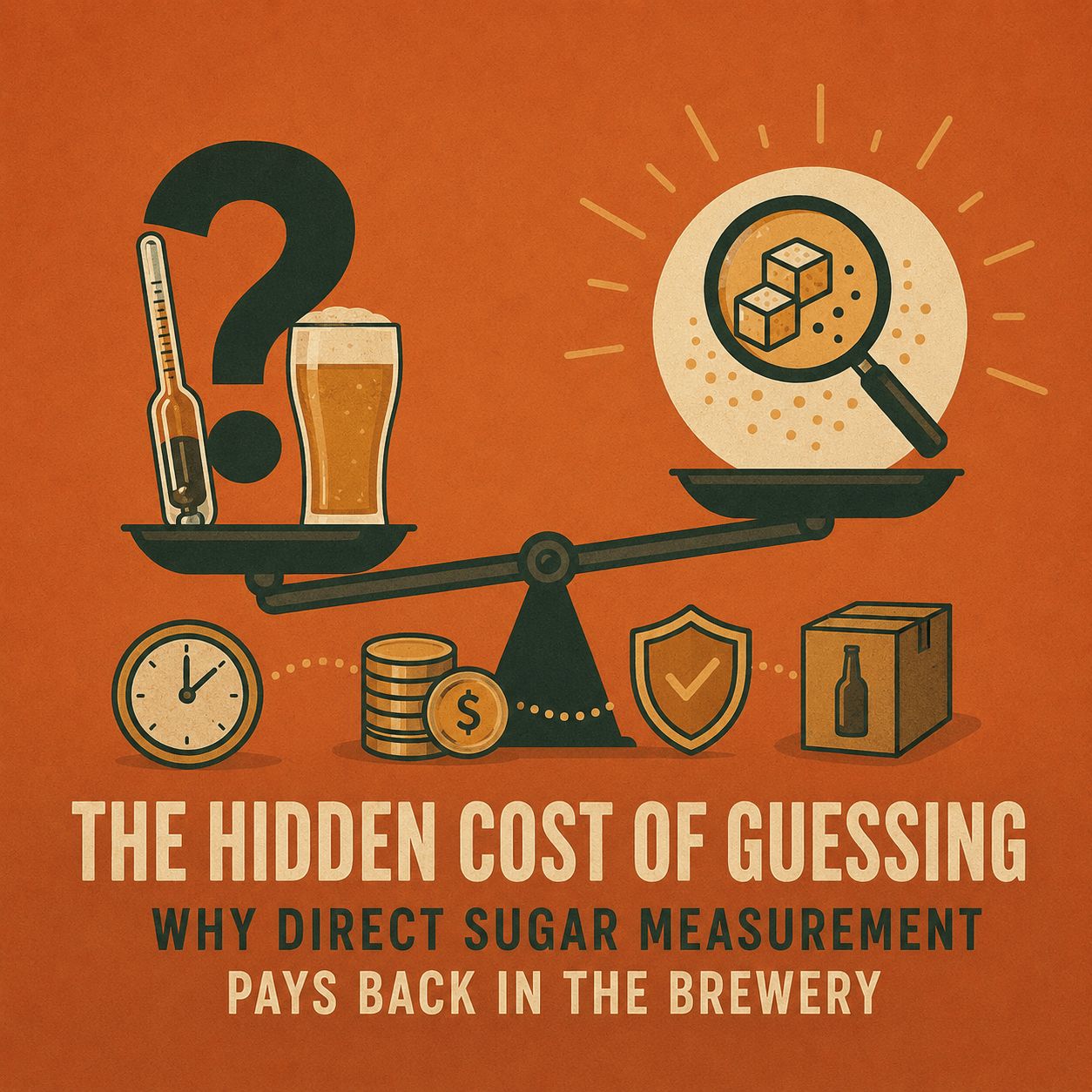
The Hidden Cost of Guessing: Why Direct Sugar Measurement Pays Back in the Brewery
In a small or mid-sized brewery, decisions about whether a beer is finished, safe to package, or ready to release a tank affect cost, capacity, and quality. Direct sugar measurement shows what the yeast can still ferment.
Videos & walkthroughs
Short videos on the Beer-o-Meter, sample testing, and what happens to your beer inside our lab.
Short introduction to Beer-o-Meter (Dutch).
Brewing tips and product news
You can unsubscribe anytime. For more details, review our Privacy Policy.