
For years, craft breweries grew by creating more beer styles: another IPA, a stronger stout, a seasonal sour or a new lager. Today, consumers are looking beyond the traditional beer menu. They still want flavour, craftsmanship and a local story, but they are also exploring alcohol-free drinks, fermented soft drinks, fruit-based beverages and products designed for different moments of the day.
The opportunity for craft breweries is not simply to make “beer without alcohol.” It is to use their knowledge of fermentation to create a broader drinks portfolio.
Current market data supports this shift. No-alcohol beer, wine, spirits and ready-to-drink alternatives continue to grow, while interest is also increasing in so-called alcohol-adjacent drinks: products that may be fermented, functional, botanical or simply designed as an adult alternative to conventional soft drinks. Consumers are not necessarily abandoning alcohol altogether. They are becoming more selective about when they drink it and looking for better choices on other occasions.
Your brewery already has much of what you need
Breweries understand raw materials, fermentation, hygiene, tanks, carbonation, packaging and sensory development. These capabilities can be applied to many products beyond conventional beer.
A brewery could explore fermented fruit drinks, botanical beverages, alcohol-free alternatives, lightly fermented sodas, sour refreshments, malt-based drinks, Radlers or products created through lactic acid fermentation.
The equipment may look familiar, but the process cannot simply be copied from beer production. A fruit-based drink behaves differently from wort. A lactic acid fermentation is not controlled in the same way as an ale fermentation. A product with little or no alcohol may require a completely different approach to microbiological stability.
Diversification works best when it starts with a drinking occasion rather than an ingredient. Is the product meant to replace beer during lunch? Is it a premium alcohol-free option for the evening? Is it a refreshing drink after cycling? Is it intended for consumers who like acidity, complex fermentation aromas or less sweetness than conventional soft drinks? Once the occasion is clear, the recipe and process can be designed around it.
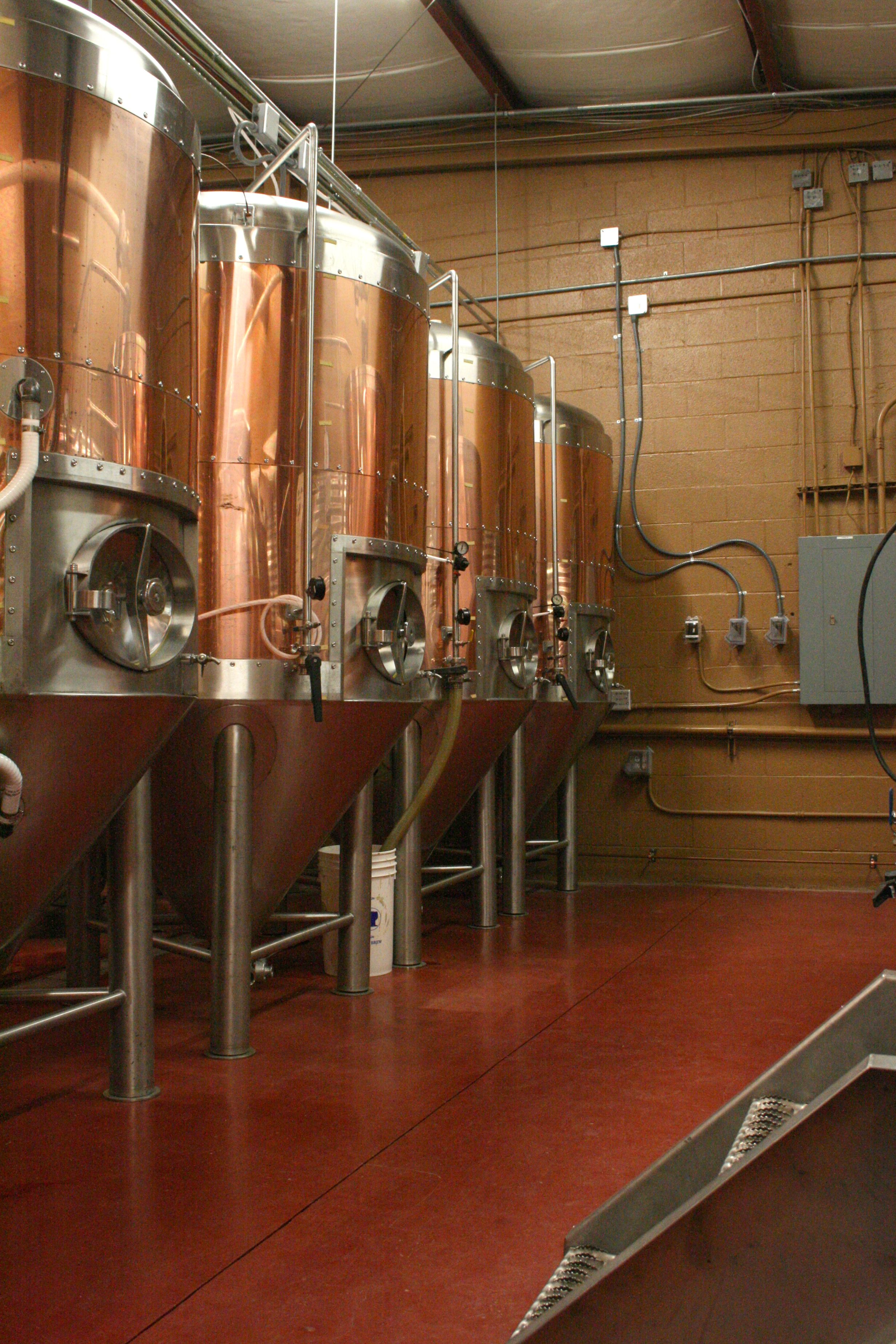
Fermentation can create a new category, not just another flavour
Our collaboration with Parrhesia Fermentery is a good example of how fermentation expertise can move beyond beer.
Parrhesia develops food and drink products through controlled fermentation. In this process, selected microorganisms convert sugars into acidifying compounds and other metabolites, changing the taste, acidity and character of the product. The goal is not to imitate beer but to create a different type of fermented drink with its own identity.
This is where craft breweries have an advantage. Brewers already understand that fermentation is a living process. They know that the same recipe can produce different results when temperature, inoculation, oxygen, raw materials or fermentation time change.
The same principle applies to every fermented beverage. Innovation becomes commercially useful only when the process can be repeated.
Sugar is the common language of fermentation
Whether you are producing beer, a fermented fruit drink, a botanical beverage or a lightly fermented soda, sugar is often the main fuel for the microorganisms.
Measuring how sugars change during fermentation tells you much more than whether the process has simply “started” or “stopped.” It shows how quickly the culture is working, whether the process follows the intended profile and whether the desired endpoint has been reached.
The sugar profile also affects the final drinking experience. Too much sugar can make a product heavy, sticky or cloying. Too little can leave it thin, overly acidic or unbalanced. In a lightly fermented product, small differences in sugar conversion can noticeably change sweetness, acidity, carbonation and alcohol formation.
This is why relying only on time, pH or visual signs of activity is risky. Two fermentations can reach the same pH while retaining different amounts of sugar. A tank may stop producing visible gas even though fermentable sugars remain.
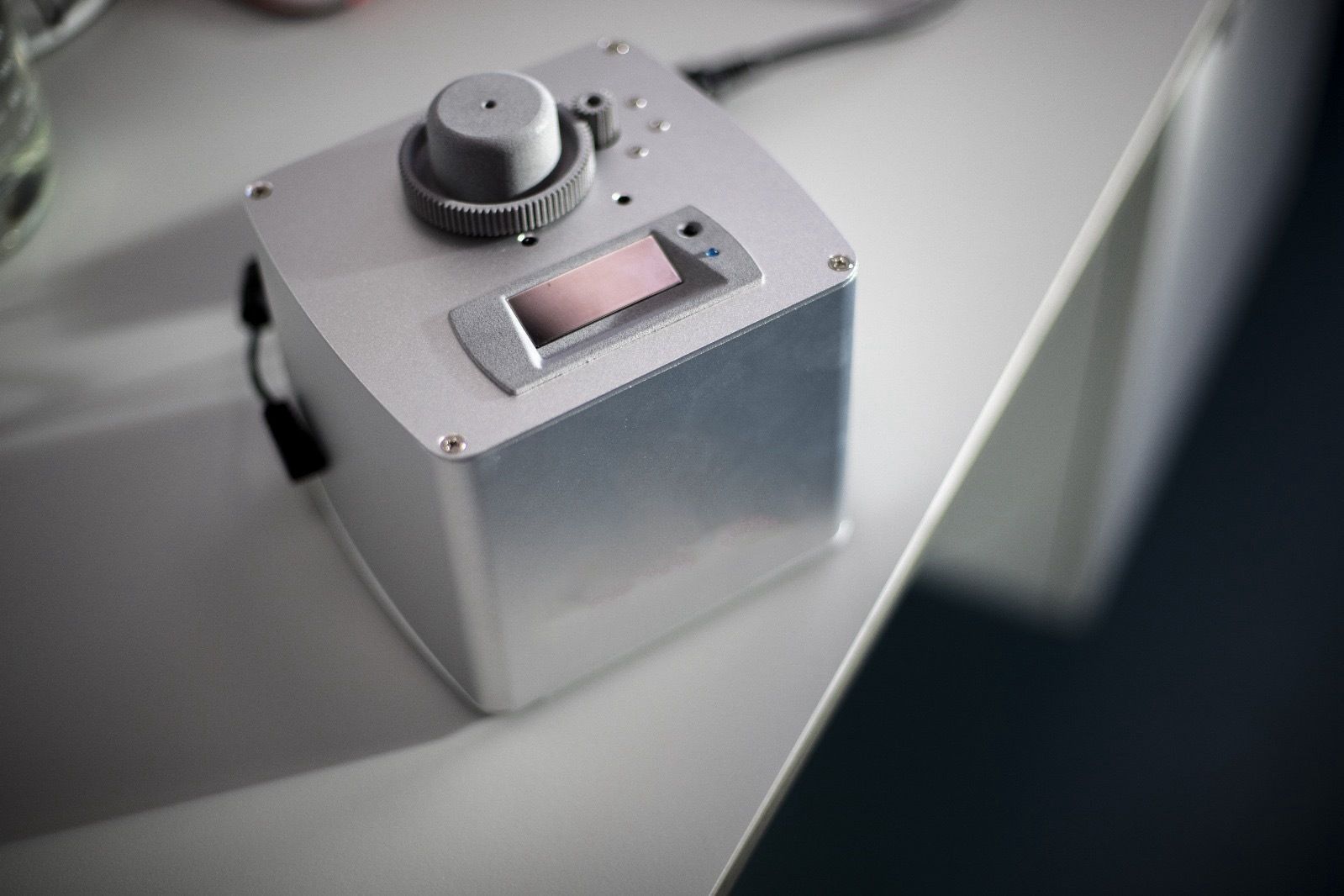
Beer-o-Meter allows producers to measure fermentable sugars directly during product development and production. The first measurement establishes the starting point. Further measurements show how the sugars are being consumed. The final result helps determine whether the product has reached the intended balance and whether the fermentation is sufficiently controlled for packaging.
For a new beverage, this creates a process fingerprint. Once a successful batch has been produced, later batches can be compared with the same fermentation profile rather than relying only on taste and timing.
Controlled innovation requires defined endpoints
One of the most common problems in beverage development is starting with an interesting recipe but without defining what a successful fermentation should look like.
Before scaling a product, the producer should know the intended starting sugar concentration, expected sugar conversion, target acidity, possible alcohol formation and acceptable residual sugar at packaging.
The endpoint should also reflect the product concept.
A living fermented drink may intentionally contain active microorganisms and continue developing under controlled refrigerated conditions. A shelf-stable packaged drink requires another strategy. A sweet alcohol-free beverage needs a different stability plan from a dry, acidic product. A product distributed through bars and restaurants may experience different temperature conditions from one sold through refrigerated retail.
Beer-o-Meter makes sugar consumption measurable throughout this process. The data can help determine when to stop fermentation, when to cool the product and whether a process adjustment produced the intended effect.
It can also reveal differences caused by fruit season, ingredient suppliers or changes in raw-material composition. A recipe based on kilograms of fruit may not behave consistently when the sugar content of that fruit changes between harvests. Measuring the actual fermentable sugar concentration provides a more reliable starting point.
Microbiology matters in every drink
A new drink should never be assumed to be microbiologically stable simply because it has been fermented.
Traditional beer contains several factors that can limit microbial growth, including alcohol, low pH, hop compounds, carbon dioxide and limited nutrients. Even then, beer can still be spoiled by adapted bacteria or wild yeast.
When alcohol is reduced or absent, one of these protective factors becomes weaker or disappears. Research on low- and non-alcoholic beer has shown that product composition and storage temperature can significantly affect microbial survival and growth. This means that alcohol-free products require a deliberately designed food-safety and stability strategy rather than being treated as conventional beer with less ethanol.
The same applies to fermented soft drinks, fruit beverages and mixed products. Low pH may help, but pH alone does not prove that a drink is safe or stable. Residual sugars, oxygen, temperature, packaging conditions and the microorganisms present must all be considered.
Microbiological control should therefore be part of development from the first pilot, not something added after the recipe has been finalised.
At Beer-o-Meter, we can support producers with microbiological screening during development, before product release and during shelf-life evaluation. Testing can help identify unwanted bacteria, wild yeast or other microbial activity that may change flavour, produce gas, create haze or affect product stability.
This is important regardless of whether the drink contains 8% alcohol, 0.5% alcohol or no ethanol at all.
Diversify, but do it with data
A new beverage can create new revenue, bring different consumers into the taproom and make better use of existing fermentation and packaging capacity. It can also open occasions where traditional beer is not the preferred choice.
But diversification should not mean uncontrolled experimentation.
A promising concept needs a measurable fermentation process, a defined endpoint and a microbiological control plan. Sugar monitoring helps producers understand what the microorganisms are doing. Laboratory testing helps verify that the product remains stable and that only the intended fermentation is taking place.
Together, these tools allow a brewery to move from an interesting kitchen-scale idea to a repeatable commercial drink.
Are you considering an alcohol-free product, fermented fruit drink, botanical beverage, Radler or another drink outside your current beer range? Contact us before starting your first production batch. We can review the concept, identify the main fermentation and microbiological risks, and help you create a practical testing plan for product development and scale-up.