
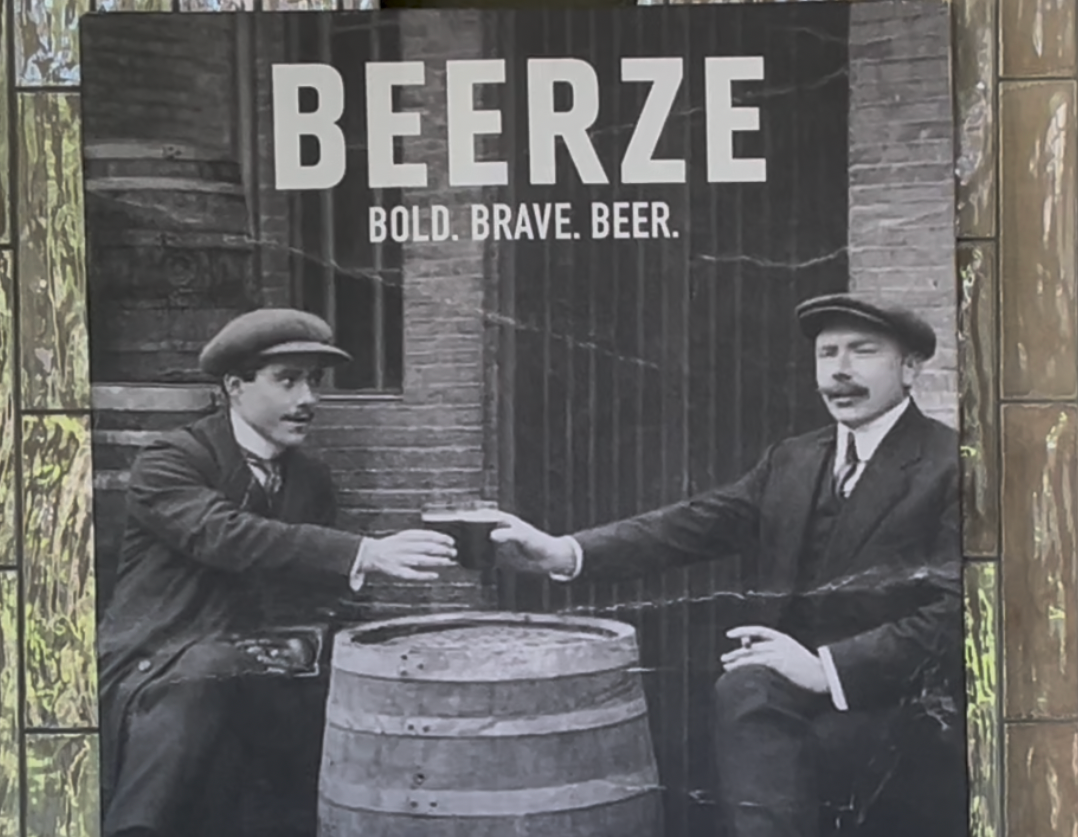
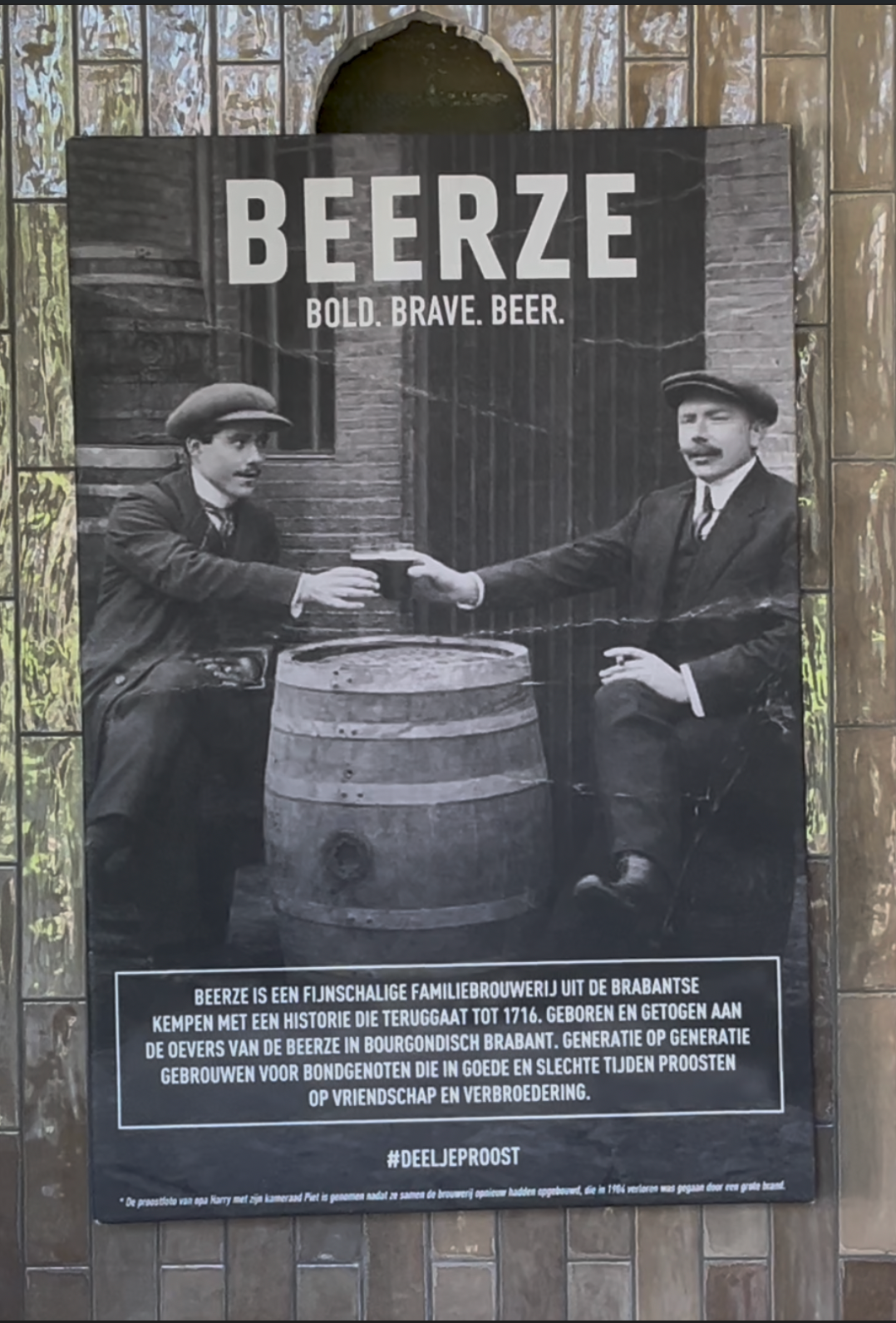
On a very warm day at Beerze, we gathered for a workshop dedicated to one of the most approachable, but also surprisingly interesting beer styles: Golden Ale.
The weather was hot, the beers were cold, and the thirst for knowledge was definitely quenched.
Golden Ale is often seen as an easy-drinking beer style, but that does not mean it is simple to brew well. A good Golden Ale needs balance. It should be refreshing, drinkable and bright, but still have enough character to be interesting. Depending on the interpretation, it can lean more towards malt softness, hop aroma, fruity esters, crisp bitterness or modern creative expression. This makes it a great style to discuss from both a sensory and a process-control perspective.
Tasting session
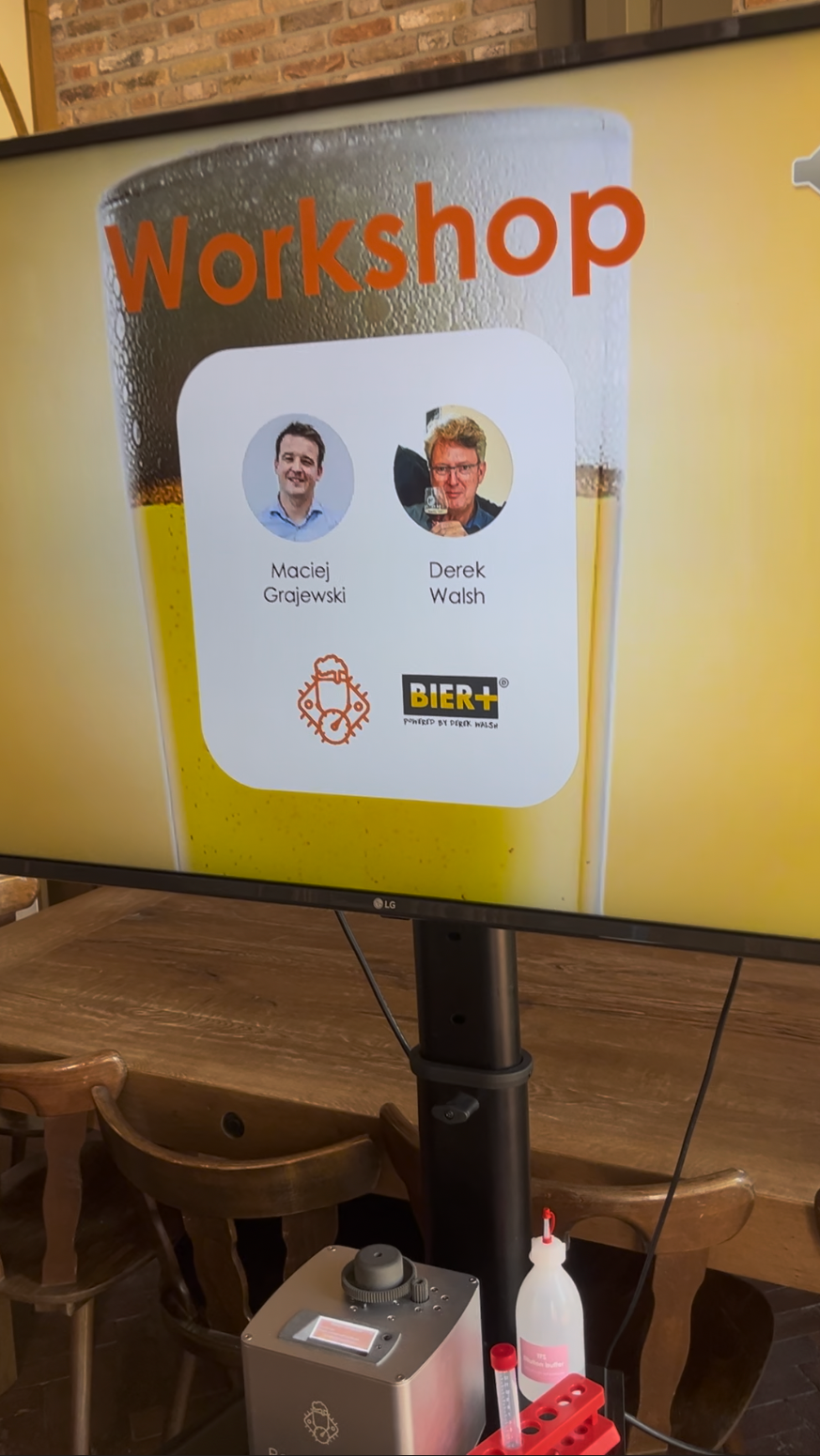
The style introduction and tasting session were presented by Derek Walsh, who shared his expertise in beer styles and guided us through a diverse selection of Golden Ales. We tasted different examples, from British classics to Belgian interpretations of the style, and from there to more modern and creative Dutch versions.
The range was wide. Some beers were elegant and beautifully balanced. Others were bold, surprising or experimental. Some examples were great, while others missed the mark in one way or another. But that was exactly what made the tasting so valuable. Every sip was educational.
By comparing the beers side by side, we could discuss not only what we tasted, but also where those flavours may have come from. Was the malt profile supporting the beer or making it too heavy? Were hop aromas fresh and expressive, or already fading? Did fermentation character add complexity, or did it distract from drinkability? Was the finish clean, or did the beer feel unfinished?
This is where tasting becomes more than tasting. It becomes a conversation about process.
Process control perspective
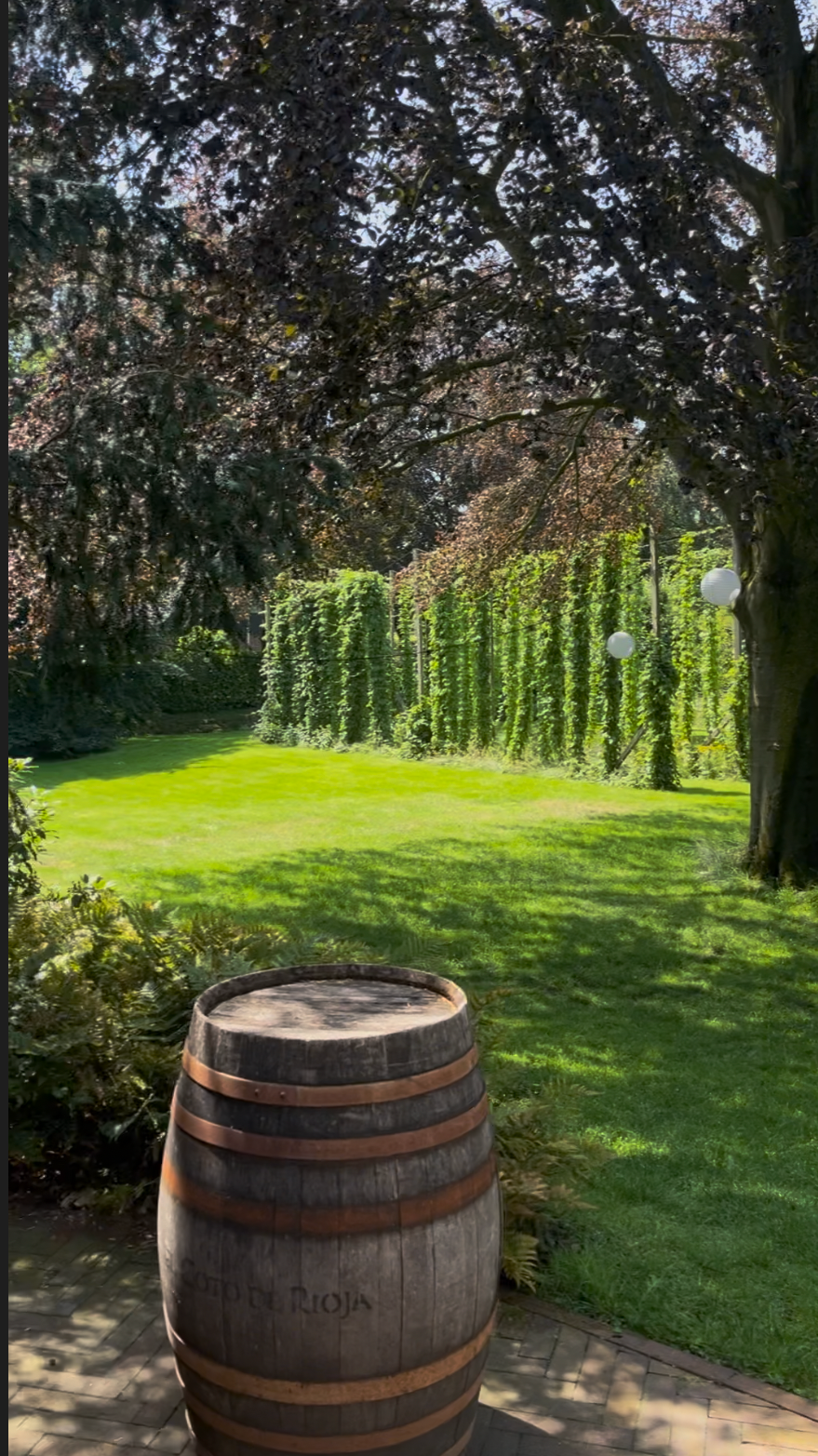
In the second part of the workshop, Maciej presented the process control perspective. The main idea was simple: beer quality is not created at one single moment. It is built step by step during the brewing process. Mash profile, fermentation speed, yeast performance, dry hopping, oxygen exposure, carbonation and packaging all influence the final beer.
For a style like Golden Ale, this is especially important. The error often has nowhere to hide. If fermentation is not fully finished, if the beer picks up oxygen, if hop aroma is lost, or if sweetness and bitterness are out of balance, it quickly becomes visible in the glass.
Good process control helps brewers understand when specific flavours are introduced, how they develop, and how they can be preserved. Measuring key parameters during production gives the brewer more confidence and helps avoid surprises later. It also makes it easier to repeat what worked well, and to correct what did not.
At Beer-o-Meter, this is exactly what we want to support: practical, accessible process control that helps brewers make better decisions at the right moment.
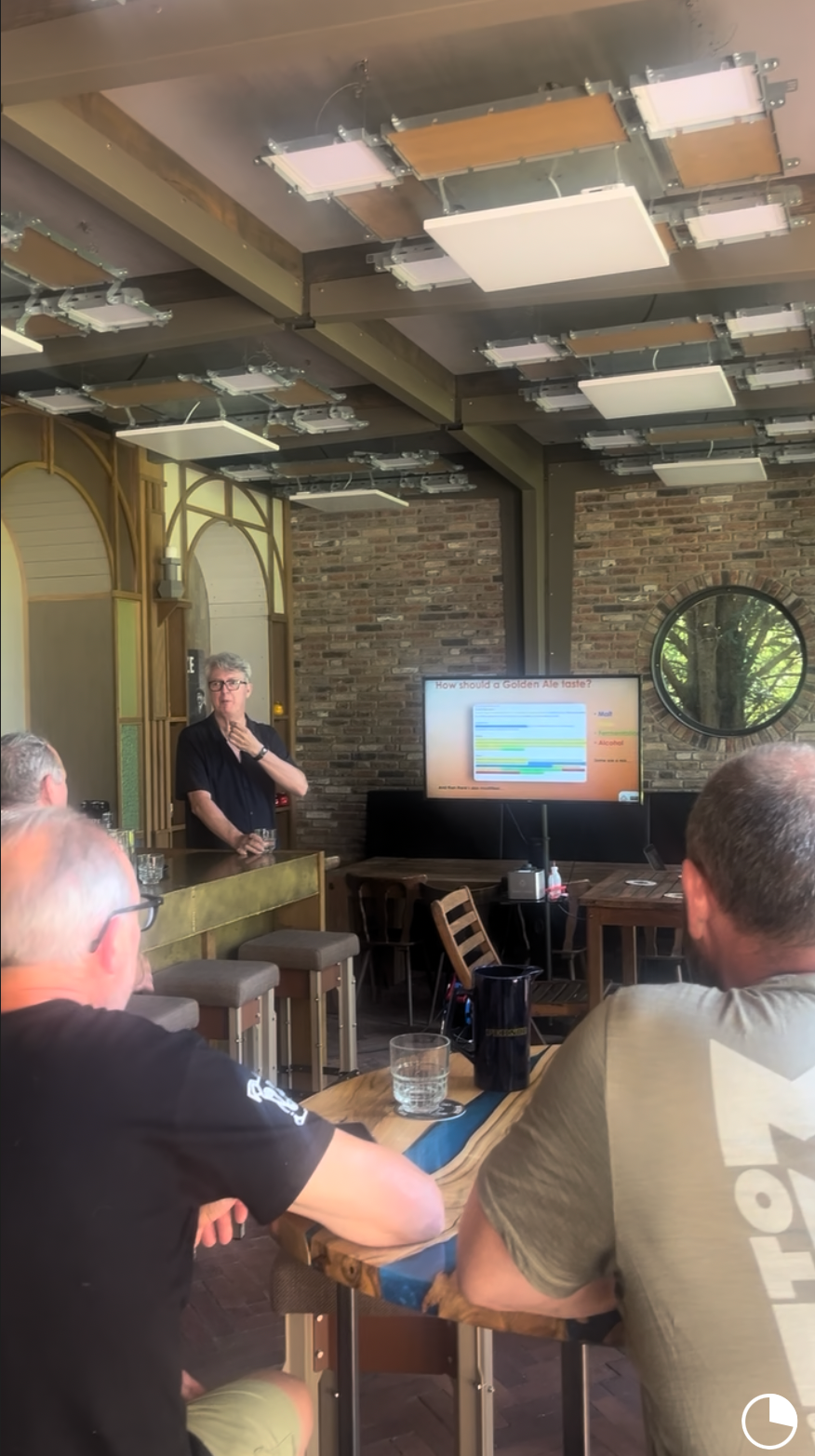
The Golden Ale workshop at Beerze was a great example of how sensory knowledge and analytical thinking can come together. We tasted, discussed, compared, questioned and learned. And of course, we enjoyed some very cold beers on a very hot day.
A big thank you to Ivo & Beerze for hosting us (definitely place to visit!), to Derek Walsh for sharing his expertise, and to everyone who joined the workshop.
More workshops, brewing stories and process-control insights are coming soon. If you want to host get in touch!