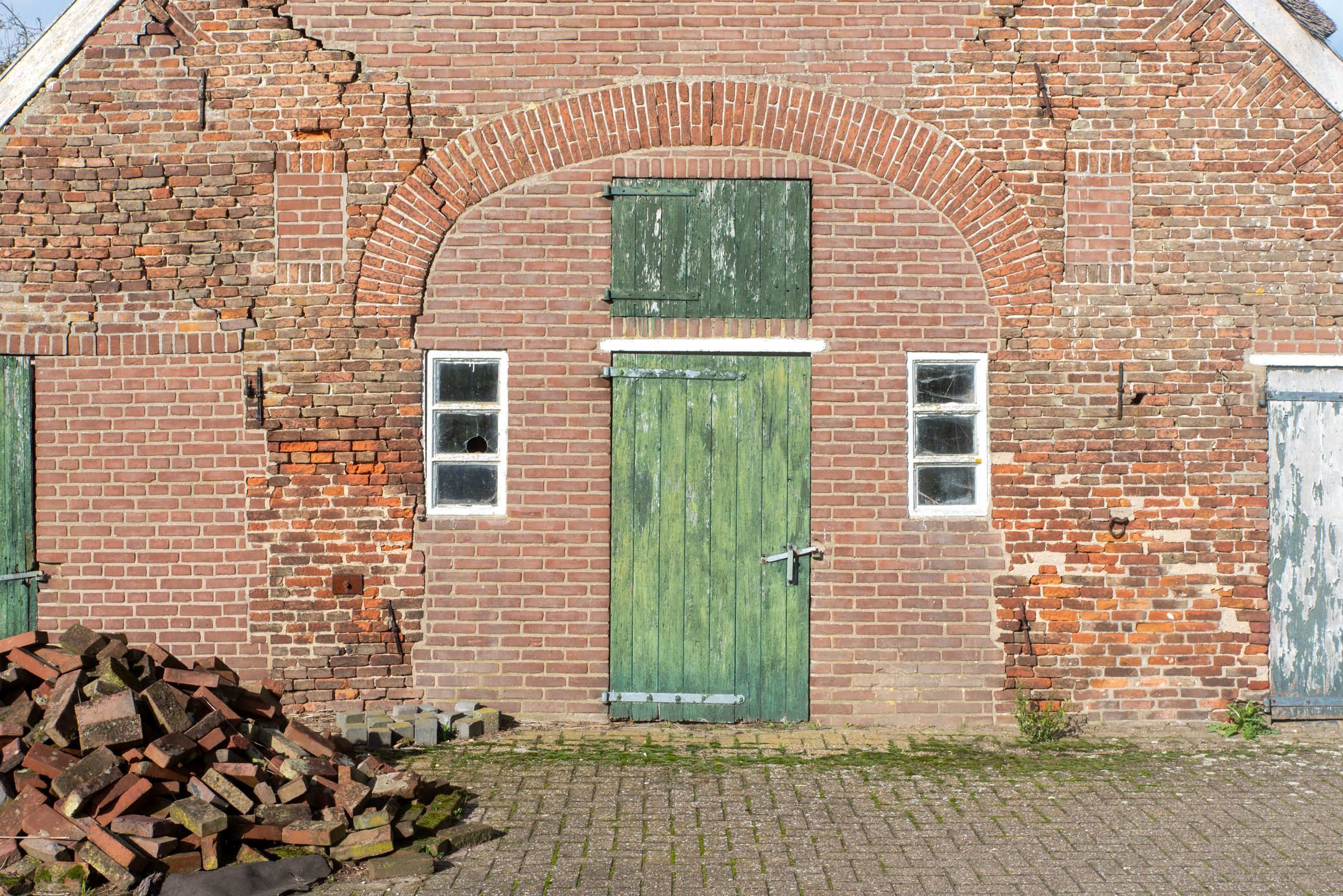
Many craft breweries have something in common that has nothing to do with beer: the building was originally designed for something completely different.
A former farm, restaurant, warehouse, shop or small factory can be a great place to build a brewery. These locations often give breweries their identity and make them attractive places to visit. But from a microbiological perspective, they can also create challenges.
A brewery is a wet production environment. Water, sugars, yeast and nutrients are present almost everywhere. If the building was not designed for food or beverage production, keeping microorganisms under control requires additional attention.
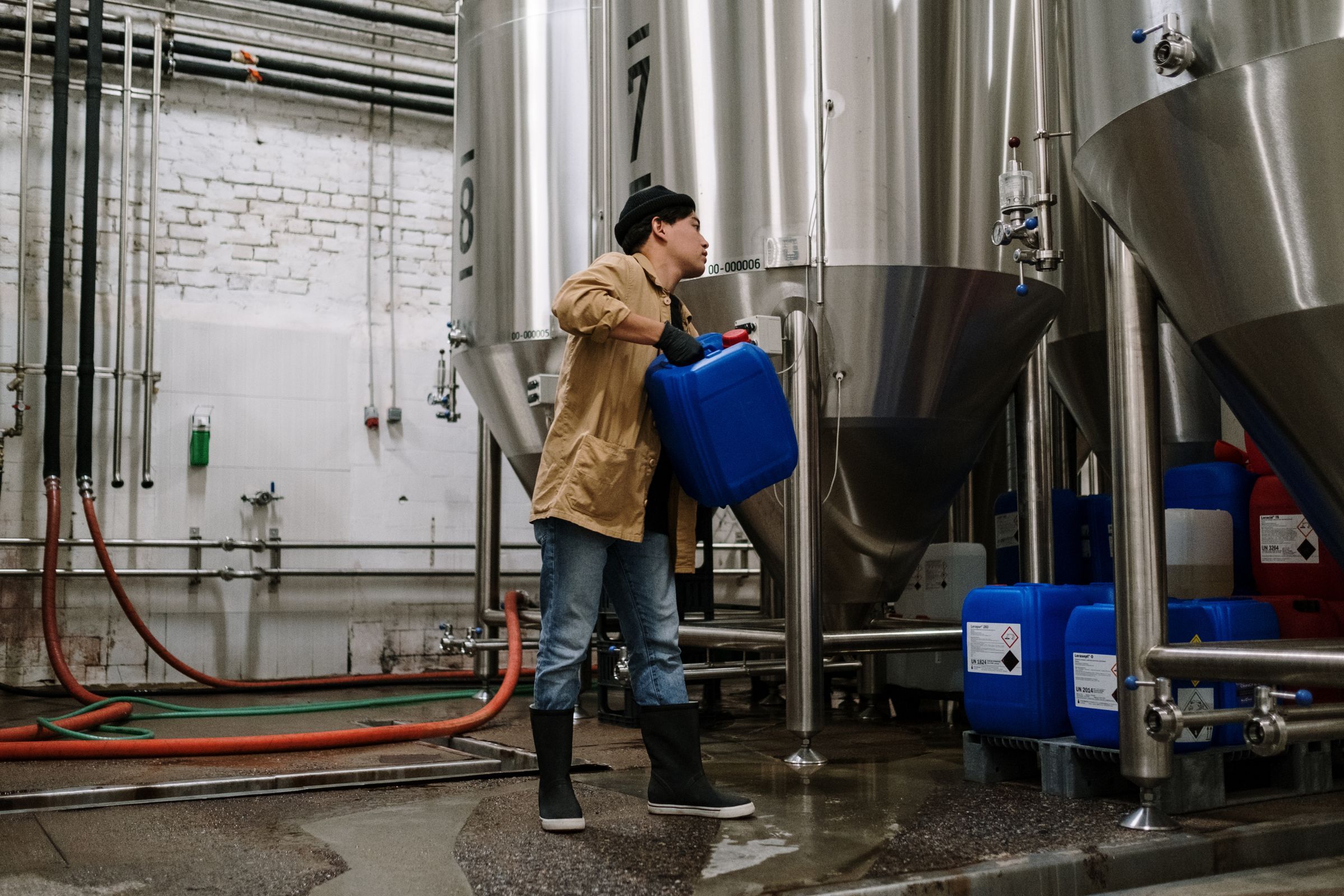
Good brewery hygiene starts long before CIP. Floors should allow water to drain instead of collecting in low points. Drains need to be accessible and cleanable. Walls and surfaces should tolerate repeated washing. Clean equipment should not be stored next to dirty equipment, waste or raw materials. In converted buildings, these conditions are not always ideal.
Standing water is particularly problematic. Wet areas around drains, underneath tanks or behind equipment can become reservoirs for microorganisms. Splashing, footwear, hoses and cleaning equipment can then move contamination from one area to another. Airflow and movement of people also matter: a packaging area should ideally be treated differently from areas where grain, waste, dirty kegs or returned materials are handled.
Where do microbiological problems usually appear?
In our experience, contamination is rarely caused by one dramatic hygiene mistake. More often, it develops around small weak points that repeatedly escape normal cleaning.
Drains and wet floors are obvious examples. They are naturally exposed to beer residues, yeast and nutrients and can become persistent microbial reservoirs. Hoses, connectors and gaskets are another common weak point: small damaged surfaces, cracks or components that are not completely exposed during cleaning can protect microorganisms.
Valves and difficult-to-clean equipment deserve the same attention. Dead spaces and poorly drained sections can allow residues to remain after cleaning. Packaging equipment is particularly important because contamination introduced at this stage reaches finished beer without another process step to correct the problem.
Cleaning tools themselves can also spread contamination. Brushes, squeegees and hoses can become transfer mechanisms if the same equipment is used across different hygiene zones. Once microorganisms establish a biofilm on a surface, normal rinsing may no longer be sufficient, which is one reason recurring contamination should be investigated rather than followed by another identical cleaning cycle.
Common beer spoilers include wild yeasts and lactic acid bacteria such as Lactobacillaceae and Pediococcus. Under suitable conditions, acetic acid bacteria and other organisms can also become relevant. Whether an organism creates a problem depends on the beer, the production stage and the environment. The practical point is that “microbiologically clean” is not achieved by making the brewery sterile; it is achieved by controlling where unwanted microorganisms can survive and how they can enter the product.
Good microbiological control therefore depends on discipline.
Who cleans what? How often? In which order? Where are cleaned hoses stored? Are drains cleaned before or after production equipment? Are the same tools moving between cellar, brewhouse and packaging? Is cleaning effectiveness ever verified microbiologically?
These questions sound simple, but consistency matters. A written cleaning plan, separation between hygiene zones and regular microbiological verification can make a significant difference. Trending results over time is particularly useful because it allows a brewery to identify recurring problems before they become obvious in packaged beer.
When contamination is detected, the objective should not only be to confirm that it is present. The important question is: where did it enter the process?
A structured sampling plan can turn a vague contamination problem into an investigation. Instead of testing only the finished beer, samples can be taken from selected process points such as the fermenter, bright beer tank, transfer line, filler and packaged product. Environmental or rinse samples can then be added around suspected weak points. If one step is clean and the next is repeatedly positive, the search area becomes much smaller.
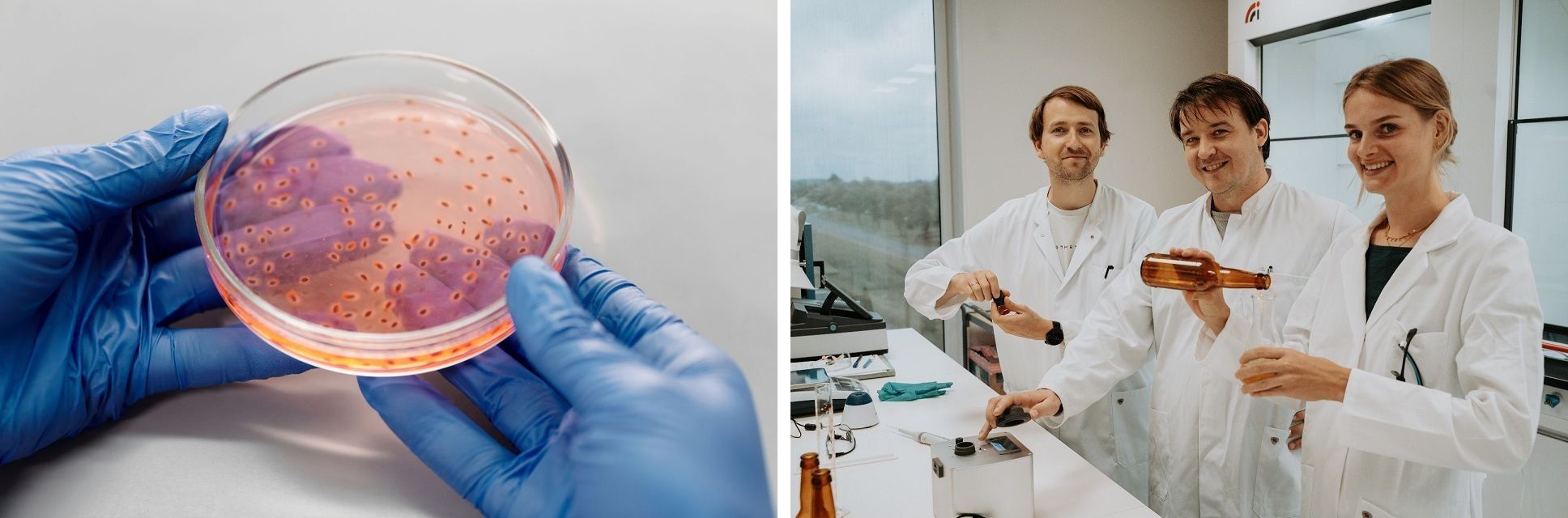
The same logic applies when a problem disappears after a major cleaning and then returns several batches later. That pattern may indicate that the immediate contamination was removed but its reservoir was not. Repeated results, together with knowledge of brewery flow and cleaning routines, are often more valuable than one isolated positive test.
The goal is not to make every brewery look like a pharmaceutical cleanroom. Breweries are biological production environments and always will be. The goal is to understand your building and process well enough to know where the risks are, develop routines around them and verify that those routines work.
A brewery may never have been designed as a brewery. But with good planning, disciplined hygiene and appropriate microbiological monitoring, it can certainly operate like one.