
Brewers often talk about recipes as if they were fixed instructions: a certain amount of malt, a certain hop schedule, one yeast strain, a fermentation temperature and a target gravity. In reality, a recipe is better understood as a process designed to reach a specific beer. Raw materials change from harvest to harvest, suppliers change, hop lots differ, malt specifications move, yeast condition varies and new products such as concentrated hop formats can replace traditional pellets. If the ingredients change but the process stays exactly the same, the beer may not.
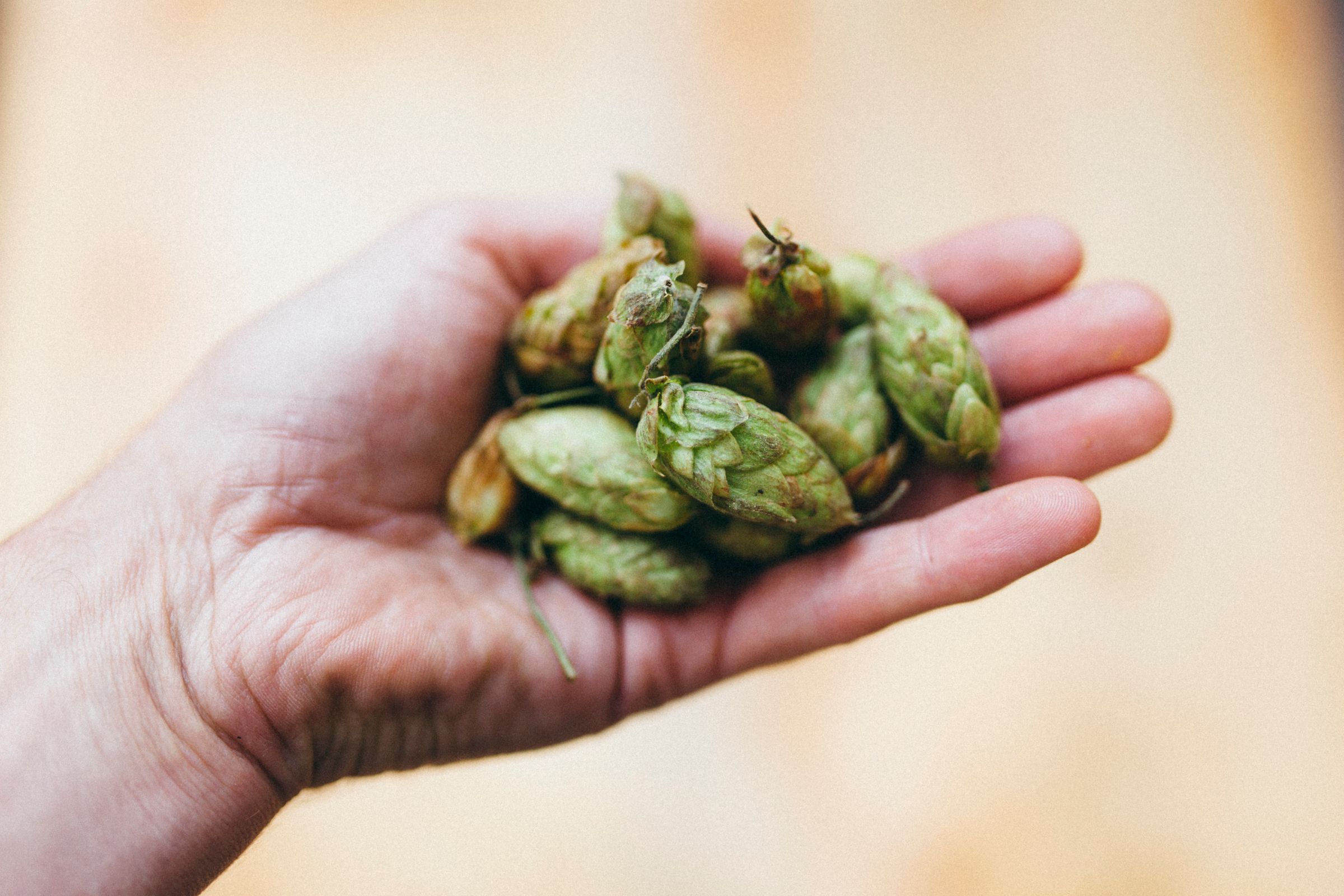
This is becoming especially visible in hops. The 2026 German hop harvest was heavily affected by heat and drought, with the Brewers Association reporting a significant reduction in yield and concern about below-average alpha-acid levels in some varieties [1]. Even in a normal year, hops are agricultural materials. The same variety can differ in alpha acids, oil concentration and sensory character between farms, lots and crop years. A brewer who replaces one kilogram of the old lot with one kilogram of the new lot has matched mass, not necessarily brewing effect.
The first step in intelligent recipe adaptation is therefore to define what must stay constant. Is the target bitterness 35 IBU? Is the key sensory target citrus aroma? Is the beer designed to finish at a particular fermentability, residual sugar level or pH? Is the dry-hop addition intended mainly for aroma, or is it also influencing the fermentation profile? Once the target is clear, the brewer can adjust the inputs rather than protecting the old numbers simply because they are written in the recipe.
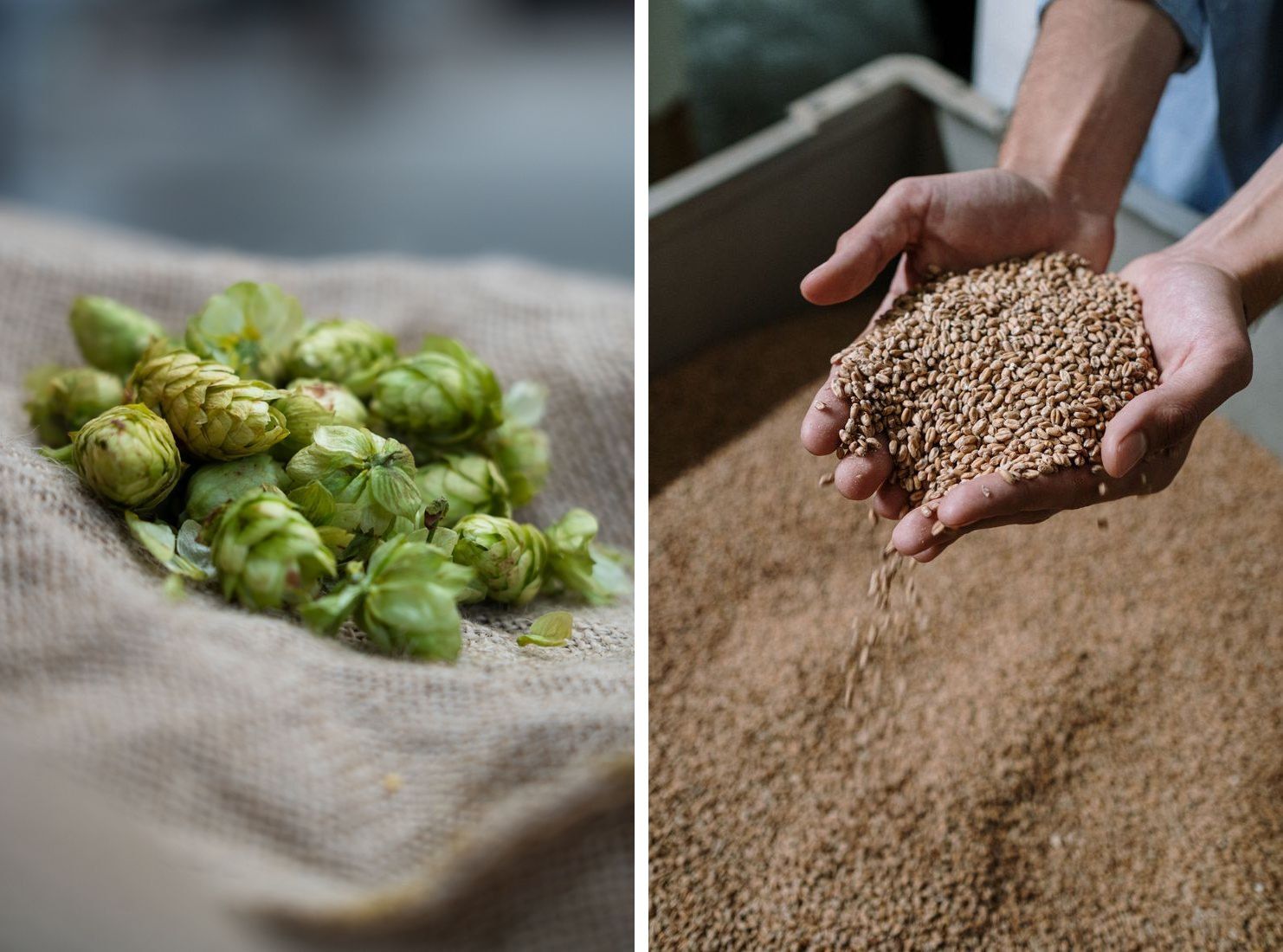
Hot-side hopping is a straightforward example. If the alpha-acid content of a hop changes, the same mass does not represent the same bittering potential. The recipe should be recalculated around the analytical value of the new lot and the expected utilization at the specific addition point. The same applies when changing hop format. Pellets, whole cones and concentrated products do not behave identically in the kettle or whirlpool, so a direct kilogram-for-kilogram substitution can change bitterness, trub load, wort losses and aroma.
The more difficult part begins when hopping interacts with fermentation.
A heavily hopped beer is not produced by two independent processes called “fermentation” and “dry hopping”. Yeast condition, residual fermentable material, hop timing, temperature and contact time interact. The Brewers Association’s hop-creep guidance describes how enzymes associated with hops can break down dextrins into fermentable sugars after dry hopping. In the presence of live yeast, this can restart fermentation and affect alcohol, CO2 and diacetyl [2]. This means that changing the hop lot, hop product, dose or dry-hop timing can change more than aroma.
That is why fermentation should be followed as a curve, not checked as a single final number.
When a brewery adapts a recipe, we prefer to establish a baseline from a successful batch: starting extract, sugar development, pH curve, fermentation temperature, time to the main attenuation point, dry-hop timing and the values before and after dry hopping. If the new ingredient produces a different curve, the brewer can see where the process changed. Waiting until packaging and comparing final gravity may hide the most useful information.

For example, imagine that a brewery changes to a new crop of the same hop variety. Sensory evaluation shows stronger aroma, so the brewer reduces the dry-hop dose by 20%. That may appear to be a simple cost optimization. But the lower hop load may also change hop-creep potential, solids, yeast interaction and the time needed before stable packaging values are reached. Conversely, switching to a more concentrated hop product may reduce vegetal material and process losses while requiring a different dosing strategy. The right question is not “What is the replacement ratio?” but “What changed in the process, and what do we need to measure to preserve the beer?”
The same logic applies to fermentation ingredients. A different malt lot can change wort fermentability even when original gravity is identical. A new yeast supplier, a different generation of repitched yeast or a change in pitching rate can alter the speed of sugar consumption and pH development. Adjuncts can introduce a different mixture of glucose, sucrose, maltose or longer carbohydrates. Two worts with the same °Plato are therefore not necessarily the same substrate for yeast.
A practical adaptation trial does not need to become an academic project. Keep the established batch as the reference. Change one main variable where possible. Measure a small set of parameters at defined process points, especially around fermentation and hopping. Taste both beers blind. Then decide whether the new ingredient requires a recipe change, a process change or both.
For fermentation, useful checkpoints might include the start, approximately 24 hours, the main attenuation phase, the planned dry-hop point, 24-48 hours after dry hopping and the point at which the beer is considered ready for further processing. The exact schedule depends on the beer and the brewery. The important part is that the measurements answer a process question: Is fermentation progressing as expected? Did the hopping step create additional fermentable material? Is pH following the normal trajectory? Has the beer actually stabilized?
This approach also makes recipe development faster. Instead of reacting to a different beer at the end of the batch, the brewery builds a record of how ingredients influence the process. Over time, that becomes practical process knowledge: which hop lots require dosage adjustment, how a specific yeast behaves under brewery conditions, which dry-hop schedules create more variability and where a change can be made without changing the identity of the beer.
A recipe should protect the character of a beer, not freeze the brewery in time. Agricultural ingredients will vary and new ingredients will continue to appear. The breweries that adapt best will be those that know which outcome they want, measure the critical parts of the process and change the recipe deliberately rather than by trial and error.
If you are changing ingredients, struggling to reproduce a beer after a supplier or crop change, or want to establish better fermentation and hopping process control, get in touch with us. At testmybeer.com and SG Papertronics we work with breweries on practical measurement plans, fermentation monitoring and troubleshooting, using the brewery’s own process and beer as the starting point.
Sources
[1] Brewers Association: Heat and Drought Define the 2026 German Hop Harvest (22 September 2026)
[2] Brewers Association / Oregon State University: Hop Creep Technical Brief
Additional reading: Brewers Association: Hop Evaluation Guidelines for Brewers (1 July 2026)