
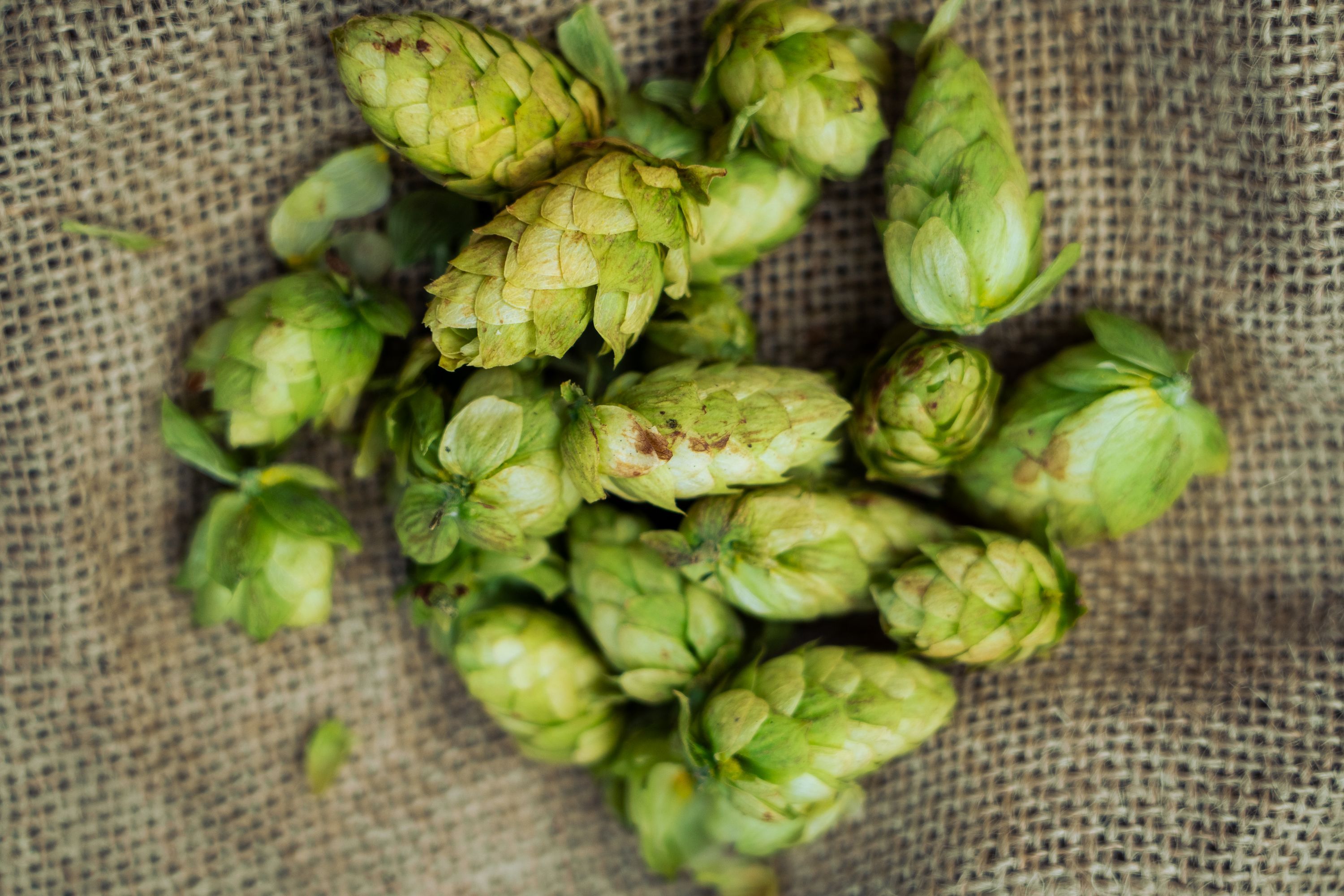
We have been following this problem for some time
We have been talking about hop creep for some time. Our original message was relatively straightforward: after dry hopping, the amount of fermentable sugar in beer can increase again. If active yeast is still present, these sugars can be fermented, which means that fermentation may continue even when the brewer previously considered the beer finished.
For us, this was one of the reasons to start looking at fermentable sugars as a process parameter. By measuring them before and after dry hopping, we can observe something that gravity measurements alone may not always show clearly.
Over the last year, however, we have followed more fermentations, worked with more breweries and looked deeper into the biochemistry behind the process. What became clear is that hop creep is the result of several biological and physical processes happening at the same time.
Dry hopping introduces more than aroma
Dry hopping is normally discussed as an aroma extraction step. The brewer adds hops to finished or almost finished beer to extract aromatic compounds without boiling them away. But hops are biological material and they contain more than aroma compounds. They can also introduce enzymes capable of breaking larger carbohydrates into smaller molecules.
Beer still contains carbohydrates that normal brewer’s yeast cannot easily ferment. Some of these larger carbohydrates, commonly described as dextrins, contribute to the body and final extract of the beer. Enzymes present in hops can break parts of these molecules into smaller sugars. Several enzyme activities have been associated with this process, including alpha-amylase, beta-amylase and amyloglucosidase activity.
This creates the first part of hop creep. Material that was previously difficult or impossible for the yeast to ferment is converted into smaller, fermentable carbohydrates.
Yeast completes the process
Producing fermentable sugars is only part of the process. To create the full hop creep effect, active yeast must also be present.
When yeast remains metabolically active, it can consume the newly created sugars. Fermentation therefore begins again or continues longer than expected. This can result in further attenuation, additional alcohol, more carbon dioxide and renewed production of fermentation compounds such as diacetyl.
If all of this happens in a fermentation tank, it can delay production or require additional conditioning time. If it happens after packaging, the consequences can be much more serious.
Why gravity may not show the complete picture
This is where conventional measurements sometimes become difficult to interpret. Imagine that a beer has reached a stable gravity and the brewer adds dry hops. The hop enzymes begin to create fermentable sugars from dextrins. At the same time, the yeast starts consuming those sugars. One process produces fermentable material while another removes it.
As a result, the total density of the beer may not change dramatically at first. From a gravity perspective, the beer can appear relatively stable. From a biological perspective, however, the system is still active.
This is why we became interested in measuring fermentable sugars directly. Instead of asking only whether gravity has stopped changing, we can also ask how much material is still available for the yeast to ferment.
What we have seen in real brewery fermentations
We have observed this behaviour directly during brewery fermentations. In one NEIPA fermentation that we followed, total fermentable sugars decreased normally during primary fermentation. Immediately before dry hopping, we measured approximately 9 g/L. Following the dry-hop addition, the concentration increased to approximately 12 g/L. It then fell again over the next measurements to around 9.5 g/L.
This is a useful example because it shows both sides of the process. First, additional fermentable material appeared after the hops were added. Second, the yeast remained active enough to consume at least part of this material.
A single measurement taken before or after dry hopping would not have shown the entire process. A sequence of measurements did.
Not every hop behaves in the same way
We are also learning that the behaviour cannot be predicted only from the amount of hops added. Different hop varieties can show different enzymatic activities. Crop year, growing conditions and the composition of the hop material can also influence what happens. Even different physical parts of a hop cone can contain different levels of relevant enzyme activity.
This means that a brewery should be careful with simple rules such as, “We used this amount of hops last time and nothing happened, so it is safe.” A different hop variety, supplier, crop or hop product may behave differently even when the dry-hop rate is similar.
Temperature and time change the outcome
Physical conditions during brewing are another important part of the process. Temperature influences both enzymatic activity and yeast metabolism. Contact time is also important. Longer exposure gives enzymes more time to act on the carbohydrates in the beer. At the same time, yeast may become less active when the beer is cooled.
This creates an interesting situation during cold-side processing. Hop enzymes may continue releasing fermentable sugars while yeast metabolism slows down because of low temperature. The beer may therefore accumulate fermentable material without immediately fermenting it. If viable yeast is still present when the beer is later packaged or warmed, fermentation can restart.
Dry-hop temperature, contact time, yeast concentration, cooling profile, filtration or centrifugation, and the temperature after packaging can all influence the final result.
Fixed timelines are not always enough
This is one of the reasons why hop creep can be difficult to control using only fixed timelines. Saying that a beer should always be packaged three days after dry hopping is convenient, but biology does not always follow a three-day schedule. One beer may become stable quickly while another continues changing for much longer.
For us, the more useful approach is to measure the process. We can measure fermentable sugars before dry hopping and then repeat the measurement afterwards. If the concentration increases, we have evidence that additional fermentable material has been released. We can then continue following the beer to see whether yeast is consuming those sugars and whether the concentration eventually reaches a stable level.
Measuring the process instead of guessing
This does not replace good brewing practice. Fermentable sugar measurements should be used together with gravity, temperature, sensory evaluation and proper yeast management. They simply add another piece of information that is directly connected to what the yeast can still ferment.
The same thinking also changes how we look at dry hopping. It should not be considered only as an aroma addition performed after fermentation. In some beers, dry hopping creates another biochemical stage of fermentation. Once we treat it that way, many of the strange observations that brewers report become easier to explain.
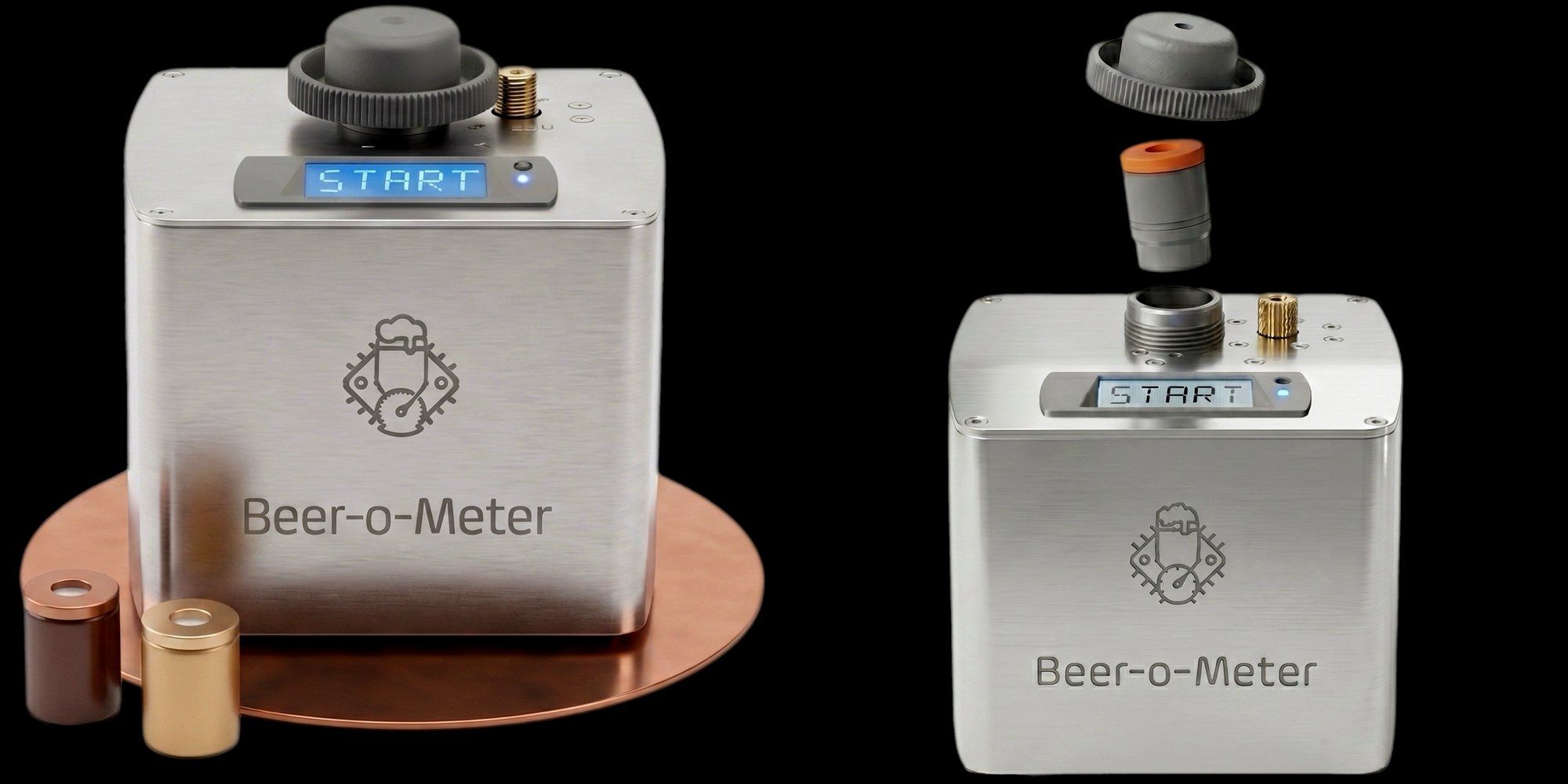
Join us at the CBP Fall Virtual Conference
This is also the subject that we will discuss during the Craft Beer Professionals Fall Virtual Conference on October 5th 2026. Our session, “Fermentable Sugars as the Missing Control Parameter for Hop Creep”, will focus on how fermentable sugars behave around dry hopping and how breweries can use this information when deciding when to cool, transfer or package a beer.
We started working on this problem because of a simple practical question: how can a brewer know that a dry-hopped beer is really finished? The deeper we go into the subject, the clearer it becomes that the answer cannot come from time or gravity alone.
Hop enzymes, residual carbohydrates, yeast activity and physical process conditions all contribute to what happens after the hops enter the beer. Understanding those interactions gives brewers something much more useful than another fixed brewing rule. It gives them the possibility to observe what is actually happening in their own beer and make the next process decision based on measurement rather than assumption.