
Most brewers recognise the signs of a microbiological problem when they encounter them. Unexpected sourness, unusual aromas, excessive carbonation, turbidity or changes in flavour can indicate that unwanted microorganisms have entered the production process. Unfortunately, recognising a problem and identifying its source are two very different things.
A beer may have an unmistakable defect, yet locating the contamination responsible can take days or even weeks. During that time, production may be disrupted, equipment repeatedly cleaned and batches held while the brewery tries to understand what went wrong.
This is why microbiological monitoring should not begin when beer starts tasting strange. Regular checks are a practical insurance policy against problems that can become disproportionately expensive.
Good Hygiene Requires Verification
Every brewery has cleaning procedures, whether formally documented or passed between experienced members of the team. Fermenters are cleaned after use, transfer lines are sanitised and packaging equipment receives regular attention. These activities are essential, but performing a cleaning procedure does not automatically prove that it was effective.
A cleaning cycle may be completed correctly according to the operator, while a valve, gasket or poorly draining section of pipework remains contaminated. Changes in water temperature, chemical concentration, circulation or contact time can all affect cleaning performance.
Regular verification allows breweries to distinguish between following a procedure and achieving the intended result.
The same applies to staff discipline. Sampling equipment, hose connections, yeast handling and equipment assembly all involve routine actions where seemingly small shortcuts can introduce contamination. Periodic checks help reinforce good habits and reveal weaknesses before they affect finished beer.
When the Defect Is Obvious but the Source Is Not
Imagine a brewery discovering an unusual sour flavour in a packaged beer. The initial suspicion may fall on the fermentation vessel, but testing reveals that samples taken during fermentation were clean. Attention then moves to transfer lines, conditioning tanks, packaging equipment or handling procedures.
By this stage, the same equipment may already have been used for other batches. Repeated cleaning can remove evidence without necessarily identifying the original source, especially if contamination is intermittent.
Microorganisms can survive in difficult locations such as valve assemblies, damaged seals and areas where biofilms develop. A problem may appear only under particular conditions, making it difficult to reproduce. Different organisms can also produce similar sensory symptoms, while certain contaminants may initially cause little noticeable change.
Without historical microbiological results, the investigation becomes a search across the entire production process.
Regular monitoring changes this situation. If a brewery knows that a particular vessel or transfer line was clean during previous checks, it has a useful starting point. When contamination first appears at a defined sampling location, the possible sources become easier to narrow down.
Small Checks Can Prevent Large Losses
Not every brewery needs its own microbiology laboratory. For many smaller producers, building a dedicated facility would create unnecessary expenses and administrative work.
The objective should be to establish a practical monitoring programme proportional to the brewery's risks, production volume and available resources.
A useful starting point is testing selected samples of fermentation beer, finished beer and relevant equipment surfaces. Additional attention can be given to yeast cultures, transfer connections and packaging equipment, particularly where products pass through several shared systems.
The sampling frequency should reflect the risk. Equipment used frequently, processes involving reused yeast and products with greater microbiological sensitivity may justify more regular checks. Other locations can be monitored periodically, provided there is a clear reason for the selected frequency.
It is also important to define what happens when a result is unexpected. A monitoring programme becomes much more valuable when positive findings lead to investigation, corrective action and subsequent confirmation that the problem has been resolved.
Understanding What the Tests Actually Tell You
Different microbiological methods provide different types of information.
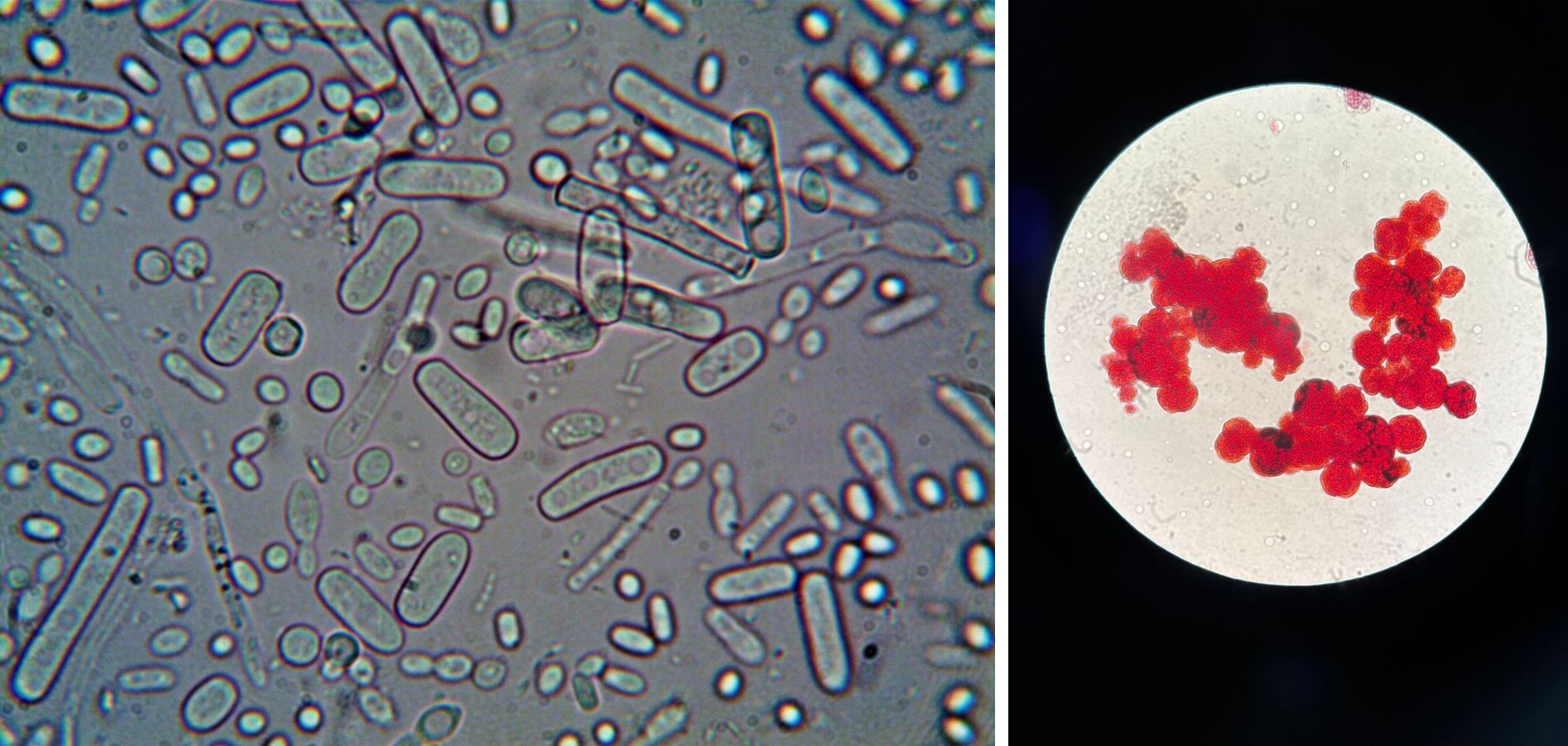
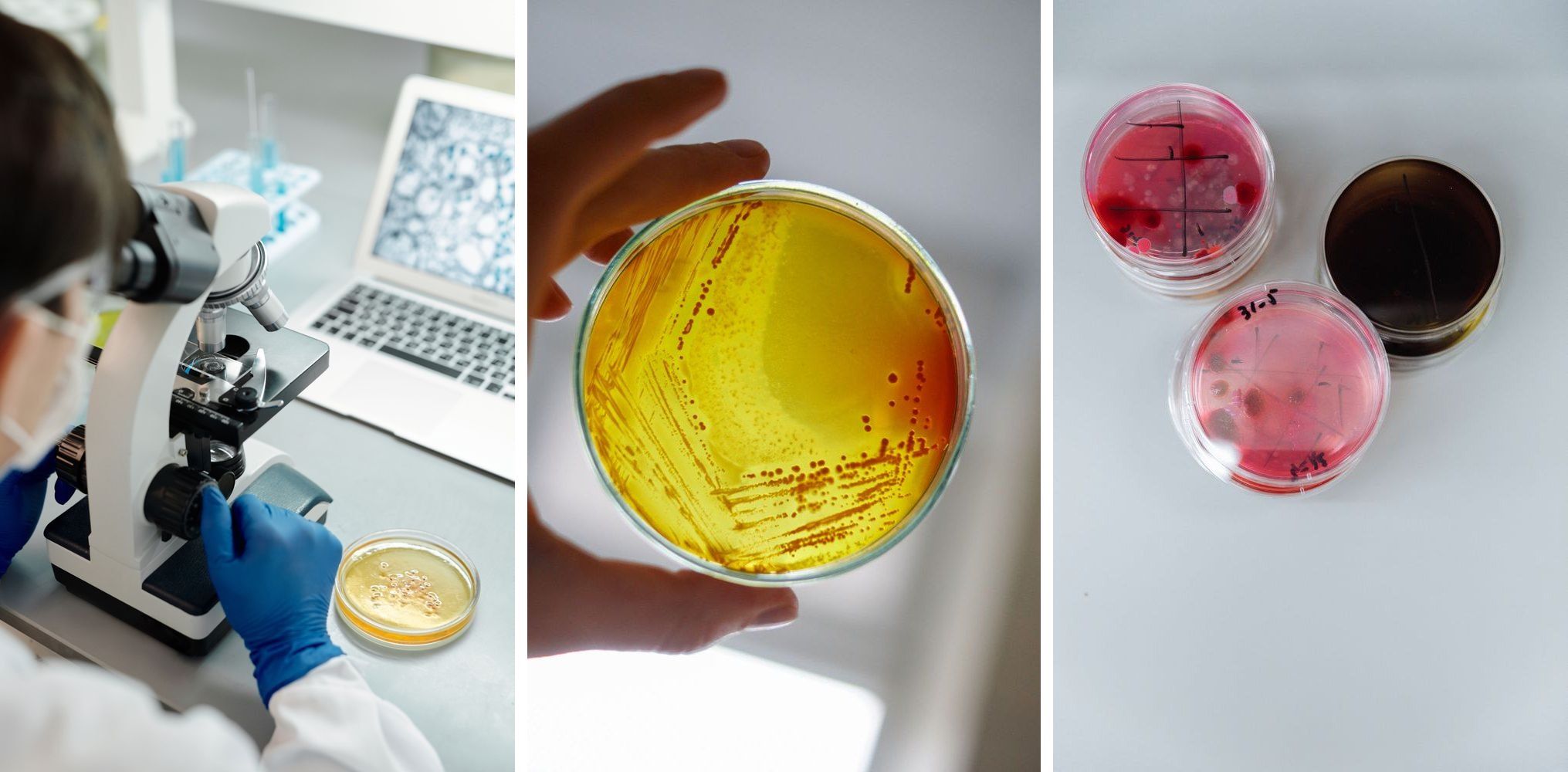
Cultivation methods can demonstrate the growth of viable microorganisms under the selected laboratory conditions. They are useful for investigating beer spoilage bacteria and wild yeasts, although results may require several days and some organisms are difficult to cultivate.
Molecular methods such as PCR and quantitative PCR can detect specific microbial RNA/DNA much more rapidly. They are particularly useful when organisms such as specific lactic acid bacteria require identification. However, detecting DNA does not automatically demonstrate that living microorganisms are present or that they are capable of causing spoilage.
Rapid hygiene tools, including ATP tests, offer another useful layer of verification but do not identify specific beer spoilage organisms. With this approach there is also a good chance of detecting living brewer’s yeast on a surface, hence a strict testing protocol is required.
The most effective approach therefore combines suitable analytical methods with knowledge of the production process. A single negative result is not a guarantee that every part of the brewery is free from contamination.
Monitoring Should Strengthen Daily Discipline
Microbiological testing should support good manufacturing practices, not replace them. A strong brewery quality programme starts with clear operating procedures, staff training, cleaning records and a sensible assessment of contamination risks.
These principles align with established food safety approaches such as HACCP, where potential hazards are identified, preventive controls are established and their effectiveness is monitored or verified as appropriate.
Routine sampling can be incorporated into existing activities without unnecessarily disrupting production. The important thing is consistency: samples should be collected correctly, results recorded and findings compared over time.
Microbiology becomes especially valuable when it helps improve the daily behaviour of the brewery rather than merely producing a laboratory report.
Prevention Is More Affordable Than Investigation
When contamination is discovered late, the costs extend well beyond the affected beer. There may be lost production time, additional cleaning, repeated laboratory testing, discarded ingredients and delayed deliveries. In more serious cases, customer complaints and damage to the brewery's reputation can follow.
Regular testing cannot eliminate every microbiological risk. However, it can identify developing problems earlier, verify that preventive measures are working and provide valuable historical information when something unexpected occurs.
The question is not whether every brewery can afford an extensive microbiology programme. It is how to establish a sensible level of verification that prevents small weaknesses from becoming major disruptions.
At Beer-o-Meter, we help breweries develop practical microbiological monitoring strategies and investigate contamination problems using appropriate laboratory methods. Our aim is to make quality assurance accessible, understandable and proportionate to the needs of each producer.
If you would like to check your existing hygiene procedures, establish a regular testing schedule or investigate a recurring microbiological problem, contact us through testmybeer.com. Together, we can find a pragmatic solution that protects both your beer and your production time.