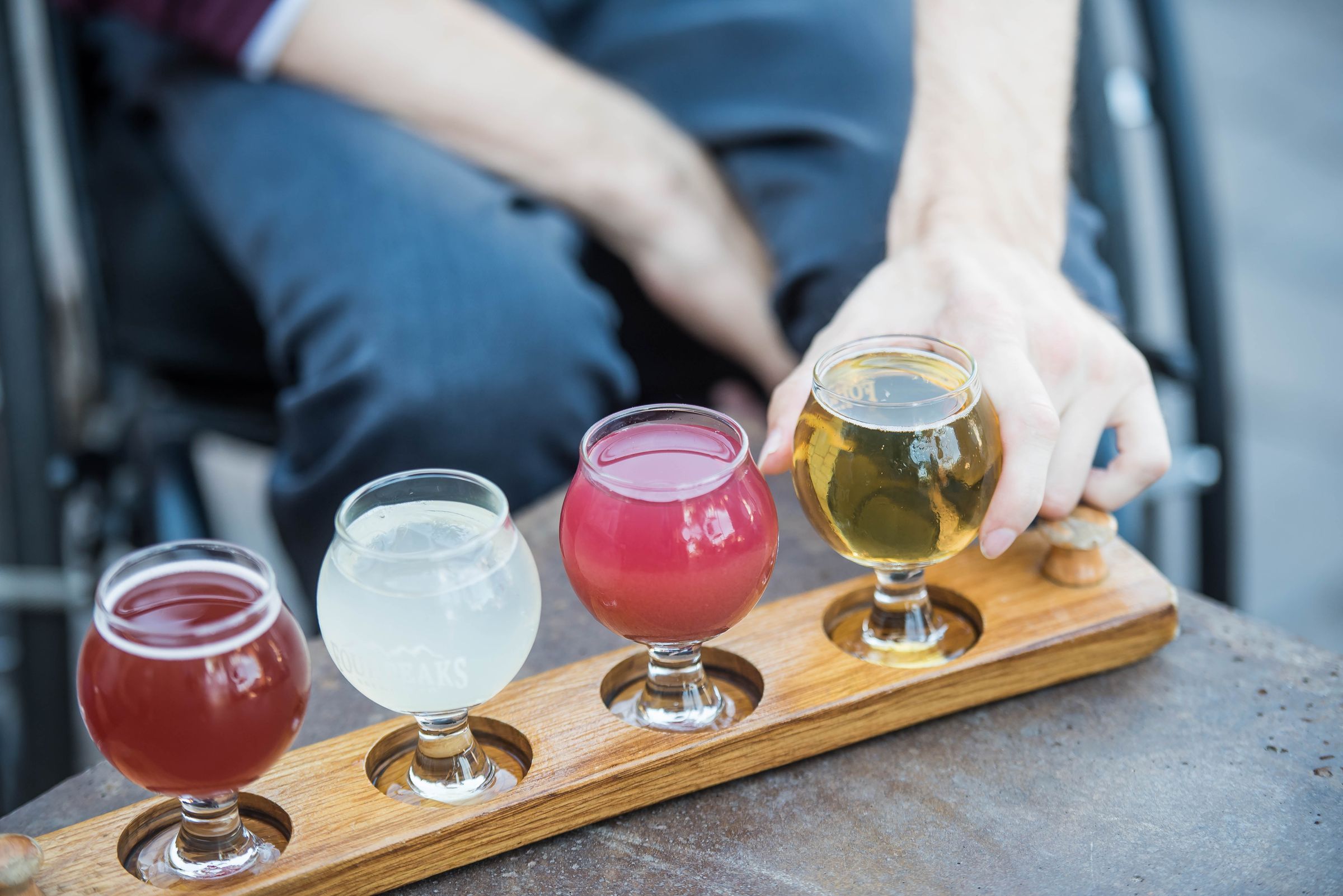
For a long time, non-alcoholic beer was treated as a substitute. The idea was simple: take a familiar lager, remove the alcohol, and give consumers something to drink when they were driving, training, taking medication or simply choosing not to drink. That logic is becoming outdated. The most interesting market signal in 2026 is not only that non-alcoholic beer continues to grow, but that brewers are starting to treat it as a category with its own products, occasions and innovation pipeline.
The numbers make the shift difficult to ignore. The Brewers of Europe reported in July that EU beer production fell by 2.9% in 2025 and consumption by 3.2%, while non-alcohol beer volumes increased by 5.87%. Since 2020, the segment has grown by more than 38%, and one in every twelve beers consumed in the EU is now non-alcoholic [1]. That is no longer a niche sitting next to “real beer”. It is becoming a meaningful part of the market.
The latest company results reinforce the point. AB InBev reported on 29 October that revenue from no-alcohol beer increased by 35% in the third quarter of 2026, while overall beer volumes were almost flat [2]. On the same day, Carlsberg reported 11% organic growth in alcohol-free brews, even as premium beer volumes declined by 3% [3]. Different companies, different portfolios, but the direction is similar: alcohol-free is increasingly one of the growth engines inside a mature beer market.
The Netherlands is particularly relevant. Recent on-trade data from Fyre, based on 6.7 million alcohol-free beer serves across more than 30,000 venues in Germany, the Netherlands, the UK and France, shows alcohol-free beer accounting for 5.2% of beer revenue in the Dutch venues studied. Only Germany was slightly higher, at 5.91% [4]. For Dutch breweries, this is not a distant trend that may arrive later. Consumers are already buying these beers in bars and restaurants.
But growth alone is not the most interesting part. What is changing is the type of product being launched.
In April, Brouwerij Vanhonsebrouck introduced Kasteel Donker 0.0, an alcohol-free interpretation of an 11% ABV Belgian Quadrupel. The brewery reported that development took around a year and a half, with the team working to recreate body and complexity without making the beer excessively sweet [5]. The significance is not whether every brewery should make an alcohol-free Quadrupel. It is that 0.0 is moving far beyond pale lager. Brewers increasingly believe consumers will accept alcohol-free versions of beers that were previously defined by strength, fermentation character and complexity.
At the same time, HEINEKEN UK launched Outd00r Brewing, a 0.0 isotonic lager containing electrolytes and vitamin C, explicitly positioning it between alcohol-free beer and functional beverages [6]. Heineken has also moved into flavored 0.0 products in other markets. These launches point toward a broader shift: non-alcoholic beer is no longer competing only with alcoholic beer. It is beginning to compete with soft drinks, sports drinks, flavored waters and other adult beverages for occasions where traditional beer was previously absent.
That changes the question for smaller breweries.
The first question used to be: “Should we have a non-alcoholic version of our beer?” The better question may now be: “What role could non-alcoholic beer play in our portfolio?”
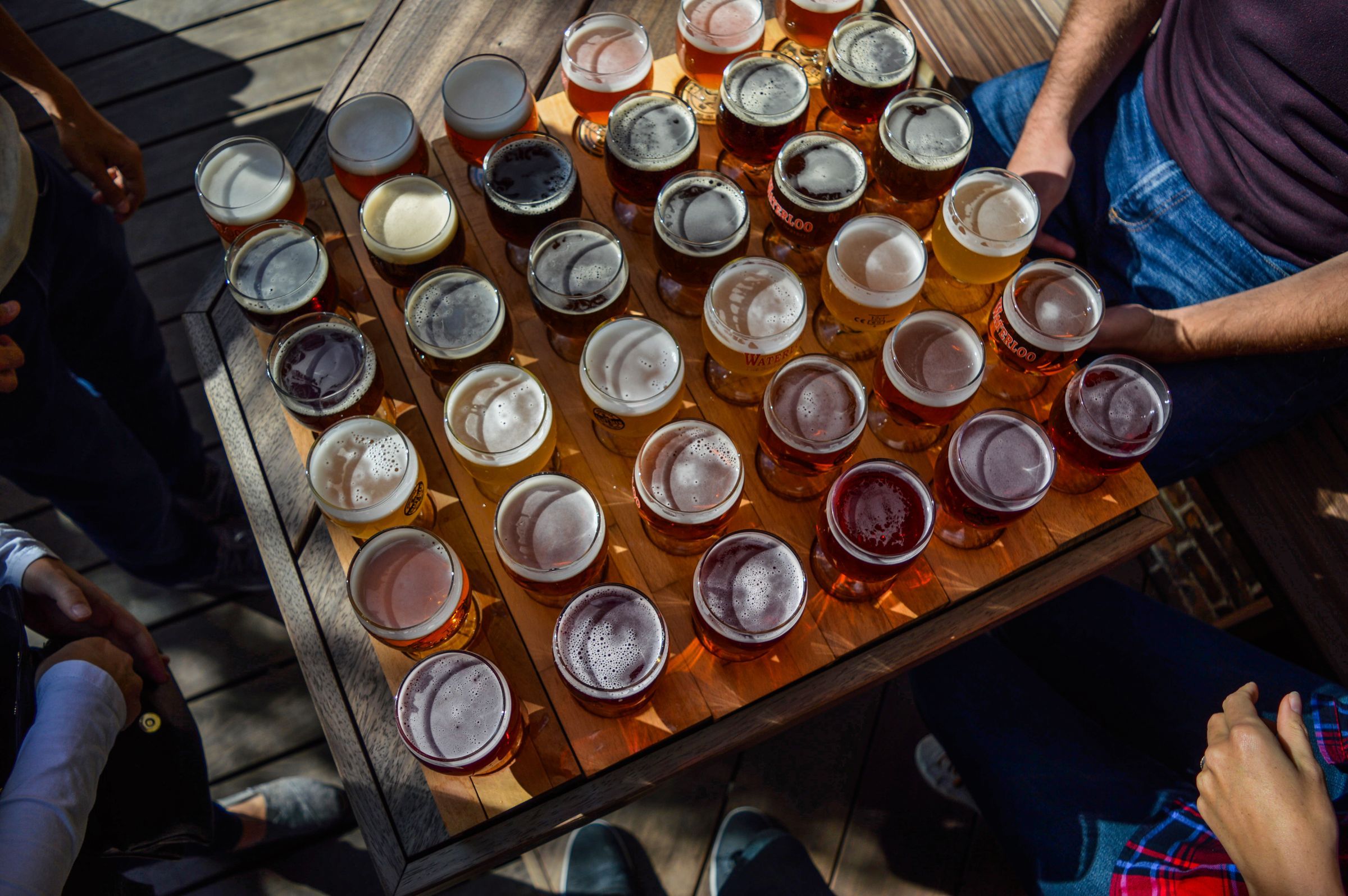
For a craft brewery, copying a large lager brand is rarely the strongest strategy. Craft breweries compete through identity, flavor, local relevance and the ability to make products that are more specific than mass-market offerings. If the alcohol-free category is broadening, that creates room for hoppy beers, dark beers, wheat beers, sour or fruit-driven concepts, food-pairing products and beers developed around particular occasions.
It also raises expectations. Once consumers see 0.0 as a genuine beer choice rather than a compromise, “good enough for alcohol-free” stops being a useful benchmark. Aroma, mouthfeel, bitterness, sweetness, stability and consistency become normal beer-quality questions. A product may have less than 0.5% alcohol and still fail because it is too wort-like, too sweet, thin, unstable or simply inconsistent from batch to batch.
This is where the market development becomes technically important. A broader category means more recipes, more production methods and more reasons to understand what is happening during fermentation. It is tempting to treat the absence of alcohol as the primary specification, but ABV is only one endpoint. The brewer still needs to understand the sugar profile, yeast activity, pH development, flavor formation and what remains fermentable at the end of the process.
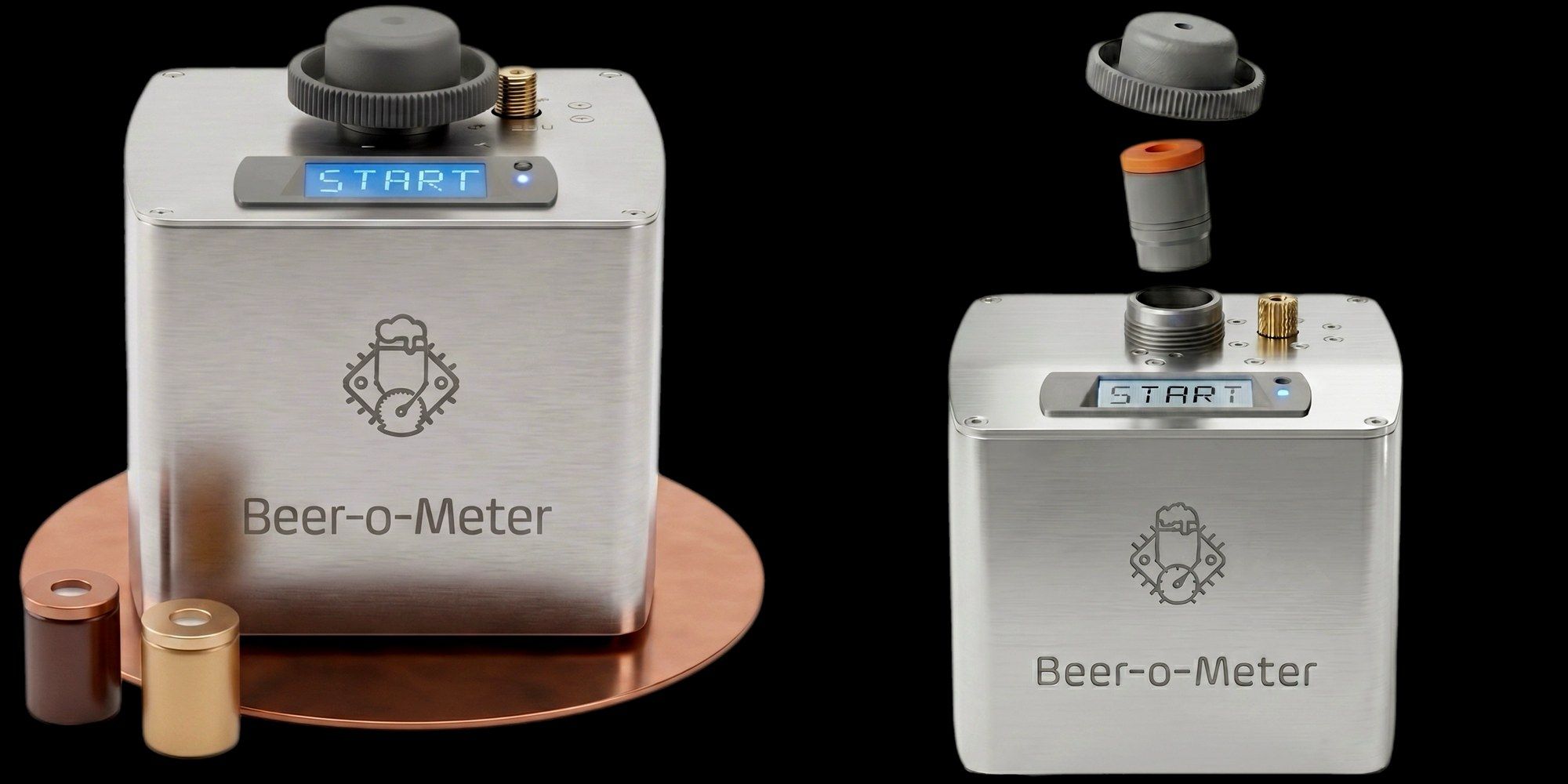
For craft breweries, the opportunity is therefore larger than simply following the 0.0 trend. The category is becoming mature enough to reward differentiation. The companies that build a clear product concept and then learn how to reproduce it reliably may have a better opportunity than those that simply add “alcohol-free” to an existing label.
The latest market numbers tell us that the demand is real. The product launches tell us that the definition of non-alcoholic beer is widening. The next step is for breweries to decide what they want their own place in that category to be.
Sources
[1] The Brewers of Europe: European beer production and consumption decline, while non-alcohol beer continues to grow (9 July 2026)
[2] AB InBev: Third Quarter 2026 Results / SEC filing (29 October 2026)
[3] Carlsberg Group: Q3 2026 Trading Statement (29 October 2026)
[4] Fyre: Alcohol-free beer in Europe: four different market realities (2026)
[5] Kasteel Brouwerij Vanhonsebrouck: New: Kasteel Donker 0.0 (7 April 2026)
[6] HEINEKEN UK: Introducing Outd00r Brewing (6 May 2026)