
Reaching the expected end of primary fermentation does not always mean that the sugar story is finished. Dry hopping can create new fermentable substrate, viable yeast can remain active during packaging, bottle conditioning deliberately restarts fermentation, and low- or non-alcohol beer can leave very different sugar profiles depending on how fermentation was controlled.
For these processes, residual fermentable sugar is not simply a final quality-control number. It is a way of understanding what biological potential is still present in the beer.
Dry hopping can create new substrate
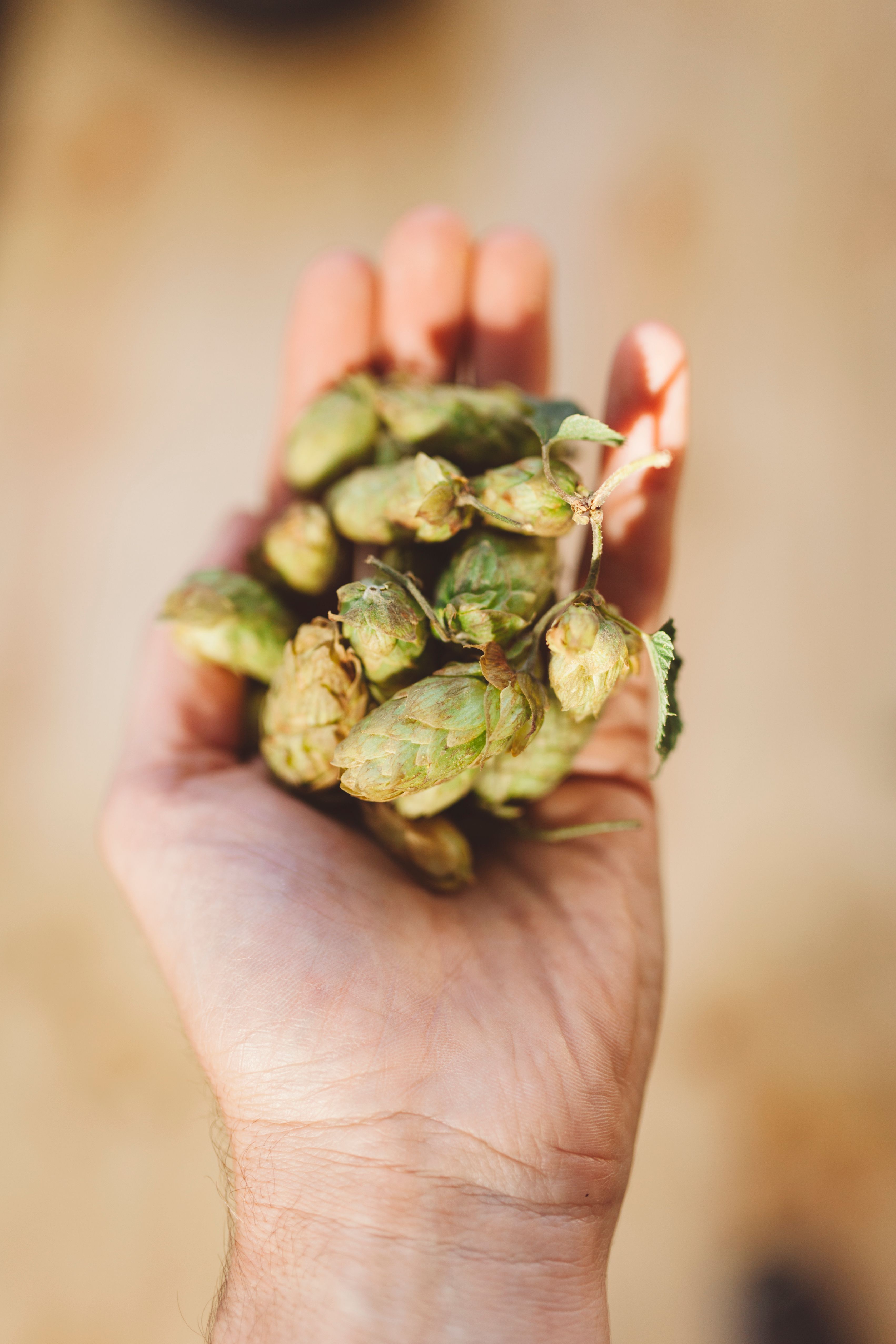
Hop creep is a useful example. During dry hopping, enzymatic activity can break down residual dextrins and release new fermentable sugars. If viable yeast is still present, those sugars can then be consumed in a renewed phase of fermentation.
The important detail is that sugar formation and sugar consumption can occur at the same time. A beer can therefore be biologically active even when the overall process appears relatively stable.
A useful monitoring approach is to establish a sugar baseline before dry hopping, repeat the measurement after hop contact and continue until the brewery understands how that particular beer behaves. TFS can show changes in the total pool of fermentable substrate, while more targeted sugar measurements can provide additional insight into what has been released and consumed.
Once this is repeated across batches, dry hopping itself becomes something that can be compared and optimised. Hop variety, lot, dosage, contact time, temperature and timing can all influence what happens next.
Packaging is a biological decision
Residual fermentable sugar becomes particularly important when beer is packaged with viable yeast.
If fermentable substrate remains, fermentation can continue in the package. The obvious consequences are additional CO2 and potentially additional alcohol, but the effects are not limited to package pressure. Continued yeast metabolism can also influence sweetness, body and flavour development during storage.
The most useful question is therefore not whether there is one universally safe TFS value for every beer. There is not. A better approach is to establish what the normal endpoint looks like for each product and packaging method.
After several successful batches, a brewery can develop its own release window based on residual fermentable sugar, individual sugars where relevant, sensory results and the other parameters used in its QC programme.
Bottle conditioning has two sugar sources
Bottle-conditioned beer provides an even clearer example.
Brewers generally calculate the priming sugar addition carefully because it determines the intended carbonation. But the deliberately added sugar is not necessarily the only fermentable substrate entering the bottle.
If residual sugars from primary fermentation are still available to the yeast, they can contribute additional fermentation. A sugar measurement before priming therefore helps separate the fermentable potential already present in the beer from the controlled amount added for conditioning.
This can improve repeatability of carbonation and give the brewery better information when investigating bottles that condition faster, slower or differently than expected.
Low- and non-alcohol beer needs a different view
Restricted fermentations and maltose-negative yeast make sugar composition even more important.
A yeast strain may rapidly consume glucose and other simple sugars while leaving most maltose untouched. The finished product can therefore contain a substantial carbohydrate load even though the sugar relevant to the production strain has already been depleted.
This is why targeted sugar monitoring can be particularly useful in low- and non-alcohol processes. Instead of asking only whether fermentation has stopped, the brewer can follow the sugar that the selected organism actually uses.
That information affects more than stability. Short fermentations have limited time for yeast metabolism, so the point at which fermentation is stopped can affect sweetness, wort-like character, body and aroma. Pasteurisation can stabilise the final product, but it cannot correct a fermentation that produced the wrong sensory profile.
Measure at the points where the substrate can change
A practical sugar-control programme does not require testing continuously. The most valuable measurements are often placed around process interventions: before and after dry hopping, before packaging, before priming, or during the critical phase of a restricted fermentation.
Beer-o-Meter was designed to make these measurements possible directly in the brewery rather than reserving sugar analysis for occasional laboratory investigations.
If you want to understand what happens to fermentable sugar after dry hopping, establish a packaging release criterion or improve control of bottle-conditioned or low-alcohol beer, contact us. We can help identify the few process points where sugar testing will give you the most useful information.