
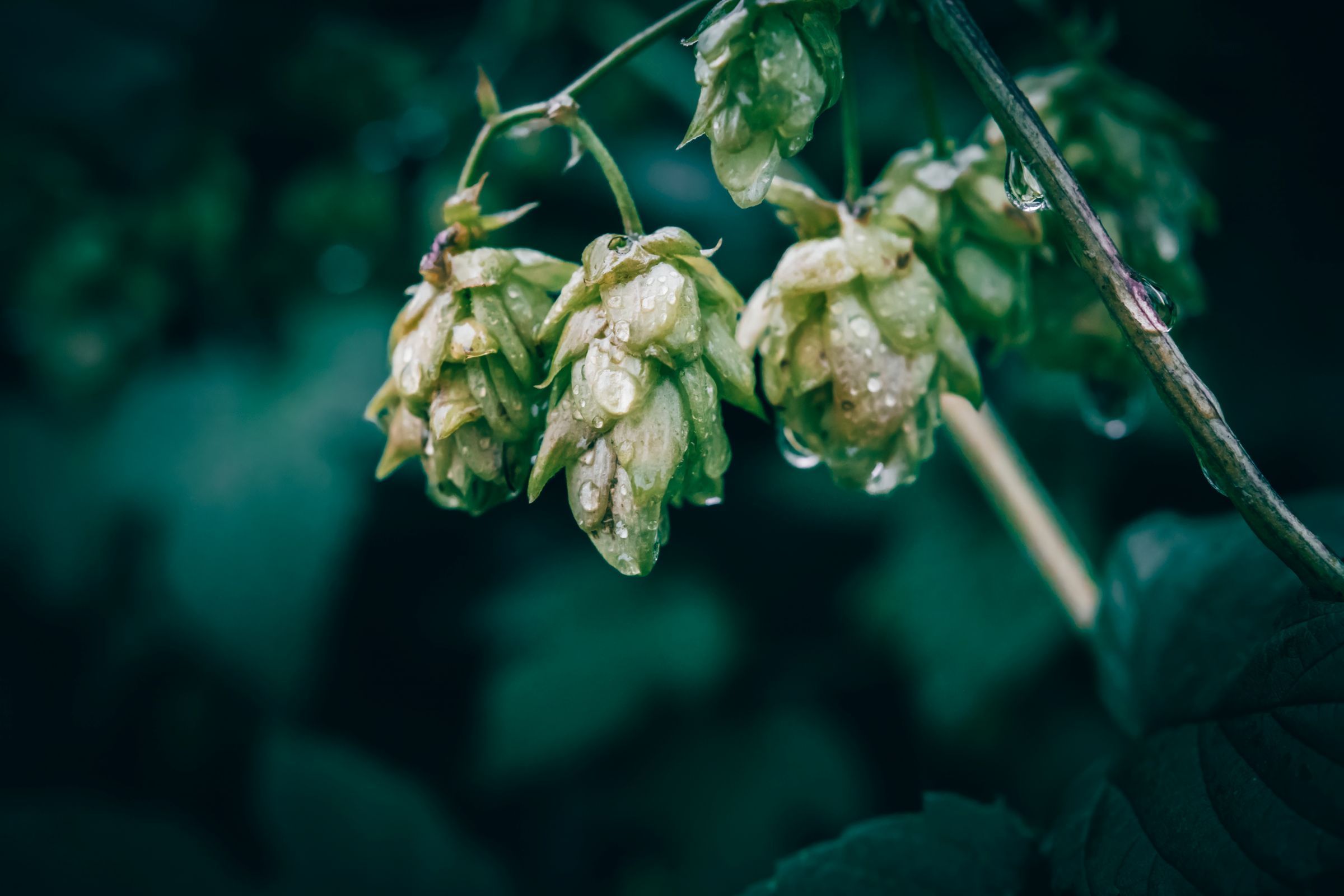
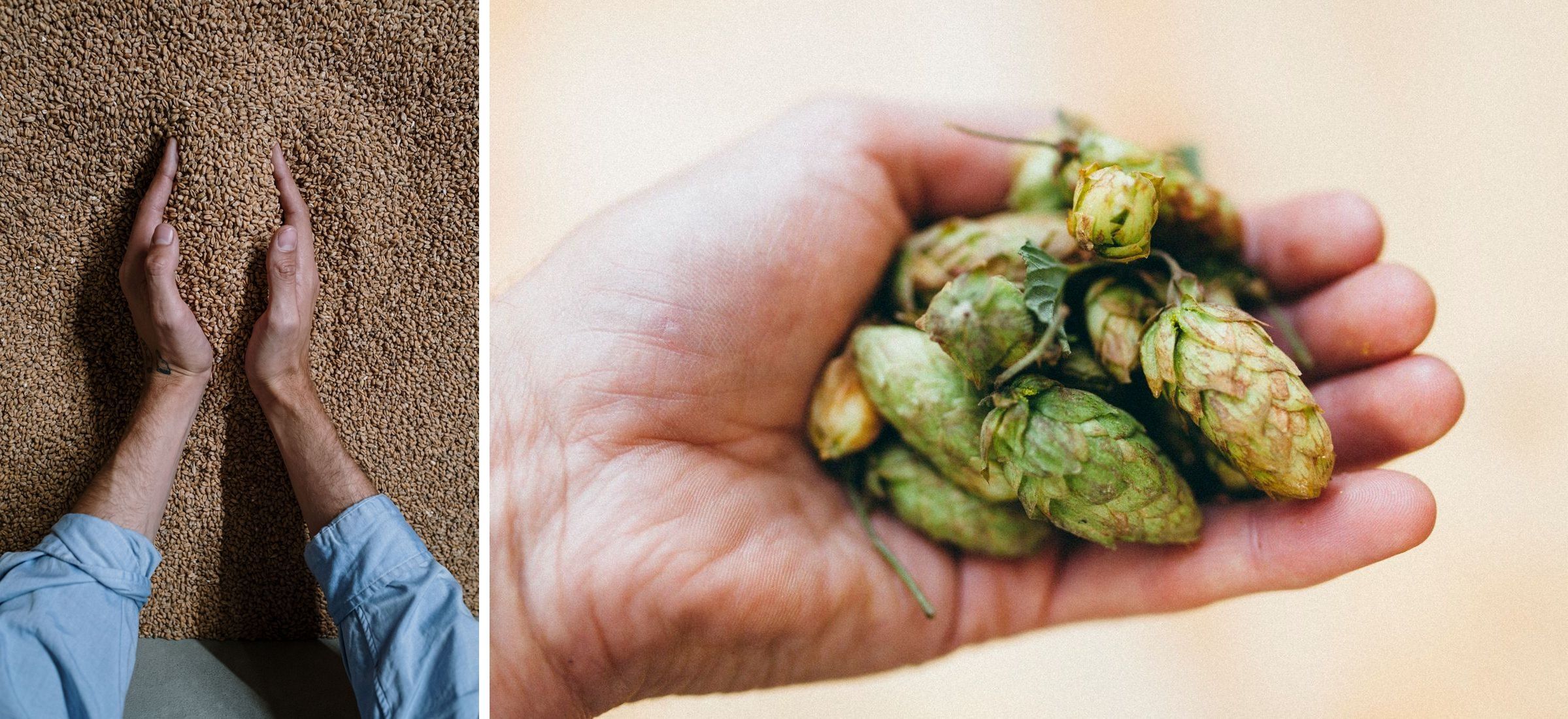
Brewers invest considerable time and money in selecting ingredients that give their beers a distinctive character. Specialised yeast strains promise unique ester profiles, modern hop varieties offer remarkable aromas, and carefully selected specialty malts contribute colour, flavour and body. Adjuncts provide even more opportunities to develop beers that stand apart from the competition.
Yet there is something surprisingly common in breweries: considerable attention is paid to ingredient selection, while the process responsible for transforming those ingredients receives much less analytical attention. When fermentation is not properly controlled, part of the potential of those expensive ingredients can be lost. The brewery pays for complexity and quality but does not necessarily achieve either in the finished beer.
Fermentation Is Where the Recipe Becomes Beer
A recipe describes what enters the brewing process, but fermentation determines much of what eventually reaches the glass. Yeast does more than convert sugars into alcohol and carbon dioxide. Its metabolism produces esters, higher alcohols, organic acids and other compounds that shape the sensory characteristics of beer.
The expression of these compounds depends on yeast genetics, temperature, nutrient availability, oxygenation, pitching rate and the composition of the wort. Even when using exactly the same yeast strain, different fermentation conditions can produce noticeably different beers.
Consider a brewer purchasing a specialised yeast because it promises tropical fruit aromas. That yeast may perform beautifully under appropriate conditions, but insufficient nutrients, excessive temperature fluctuations or poor fermentation management can change its flavour expression. Instead of the intended tropical character, the result may be unbalanced, harsh or simply less distinctive than expected.
The ingredient was not necessarily the problem. The process failed to realise its potential.
What Happens When Fermentation Is Imperfect?
Imperfect fermentation does not always mean that a fermentation has stopped completely. It may proceed too slowly, produce an unexpected sugar profile, finish prematurely or leave insufficient time for yeast to reduce unwanted metabolic compounds.
One of the best known examples is diacetyl, which can introduce buttery or butterscotch flavours. During fermentation, yeast produces compounds that can lead to diacetyl formation, but healthy yeast can subsequently reduce it. Cooling or removing yeast too early can interfere with that process.
Acetaldehyde, often associated with green apple or raw pumpkin notes, can also remain elevated when fermentation and maturation are incomplete. Hydrogen sulfide may contribute unpleasant sulfur aromas when yeast metabolism is poorly balanced or the beer does not receive sufficient conditioning.
These characteristics can easily mask the delicate flavours that brewers worked hard to create. A carefully selected hop blend becomes less impressive when its citrus aroma competes with unwanted sulfur notes. A sophisticated malt combination loses its balance when the final attenuation differs significantly from the intended result.
Not every flavour defect originates in fermentation, but poor fermentation control can undermine even an excellent recipe.
Why Sugar Composition Matters
Most breweries already monitor specific gravity or degrees Plato. These are useful measurements, but they do not directly reveal which sugars remain available for fermentation.
Wort contains several fermentable carbohydrates, including glucose, maltose and maltotriose, as well as carbohydrates that typical brewing yeast cannot ferment. Different yeast strains consume these sugars with different efficiencies, and the proportions depend on the mash profile, malt composition and any adjuncts used.
Two beers can therefore have similar density readings while containing different quantities of fermentable sugars. One may be approaching the intended endpoint, while the other still contains sugars that yeast could consume under suitable conditions.
This becomes particularly important when experimenting with specialised yeast strains, altered mash schedules or unconventional ingredients. Without knowing the fermentable fraction, it is difficult to distinguish poor yeast performance from a wort that was never as fermentable as expected.
Measuring fermentable sugars provides additional information about what the yeast has consumed, what remains and whether the process is following the intended trajectory.

The Hidden Cost of Instability
The consequences of incomplete or unexpected fermentation extend beyond flavour.
Residual fermentable sugars can become a source of renewed fermentation if viable yeast is present and conditions allow it to resume activity. This can lead to unexpected changes in alcohol content, carbonation, sweetness and package pressure. In severe cases, uncontrolled refermentation can cause gushing or unsafe packaging conditions.
Dry hopping introduces an additional challenge. Enzymes associated with hops can release new fermentable sugars from residual dextrins, a phenomenon known as hop creep. A beer that appeared stable before dry hopping may subsequently undergo another period of fermentation.
This can be particularly frustrating when expensive aromatic hops were selected to create a specific flavour profile. Unexpected fermentation can change the balance of the beer, increase diacetyl and delay packaging. Even when the beer remains commercially acceptable, the result may differ from what the brewer intended.
Sugar control alone does not guarantee stability. Microbiological quality, oxygen management, packaging conditions and temperature remain essential. However, understanding the remaining fermentable sugars provides an important additional safeguard.
Make Every Ingredient Work Harder
A useful way to think about process control is to consider the total value of the ingredients entering the brewhouse.
Specialty malts influence both flavour and carbohydrate composition. Adjuncts can alter fermentability and yeast nutrition. Different yeast strains consume sugar fractions differently, while dry hopping can introduce enzymatic activity that changes the beer after primary fermentation.
These ingredients interact throughout production, and their combined effect cannot always be predicted from the recipe alone.
A brewer who measures sugar composition during recipe development can better understand the relationship between mash conditions, yeast performance and final beer characteristics. Once an effective process has been established, the same measurements can help maintain consistency between batches.
Instead of repeatedly adjusting recipes to compensate for unexplained results, the brewery can identify which part of the process needs attention. This reduces unnecessary experimentation and helps make better use of every kilogram of premium ingredients.
From Occasional Testing to Useful Decisions
Improving fermentation control does not require installing a complex laboratory or measuring every parameter continuously.
A practical starting point is to establish a baseline for a successful recipe, including wort composition and fermentable sugar levels before pitching. Additional measurements during fermentation can reveal whether sugars are being consumed as expected. Checks near the end of fermentation and after dry hopping can support decisions about conditioning and packaging.
Results become especially valuable when combined with temperature, pH, gravity, sensory observations and yeast management records. Together, they help explain not only whether fermentation is progressing but also why a particular batch behaves differently.
Over time, these records allow brewers to understand the normal behaviour of each recipe and recognise deviations before they become expensive problems.
Better Fermentation, Better Beer
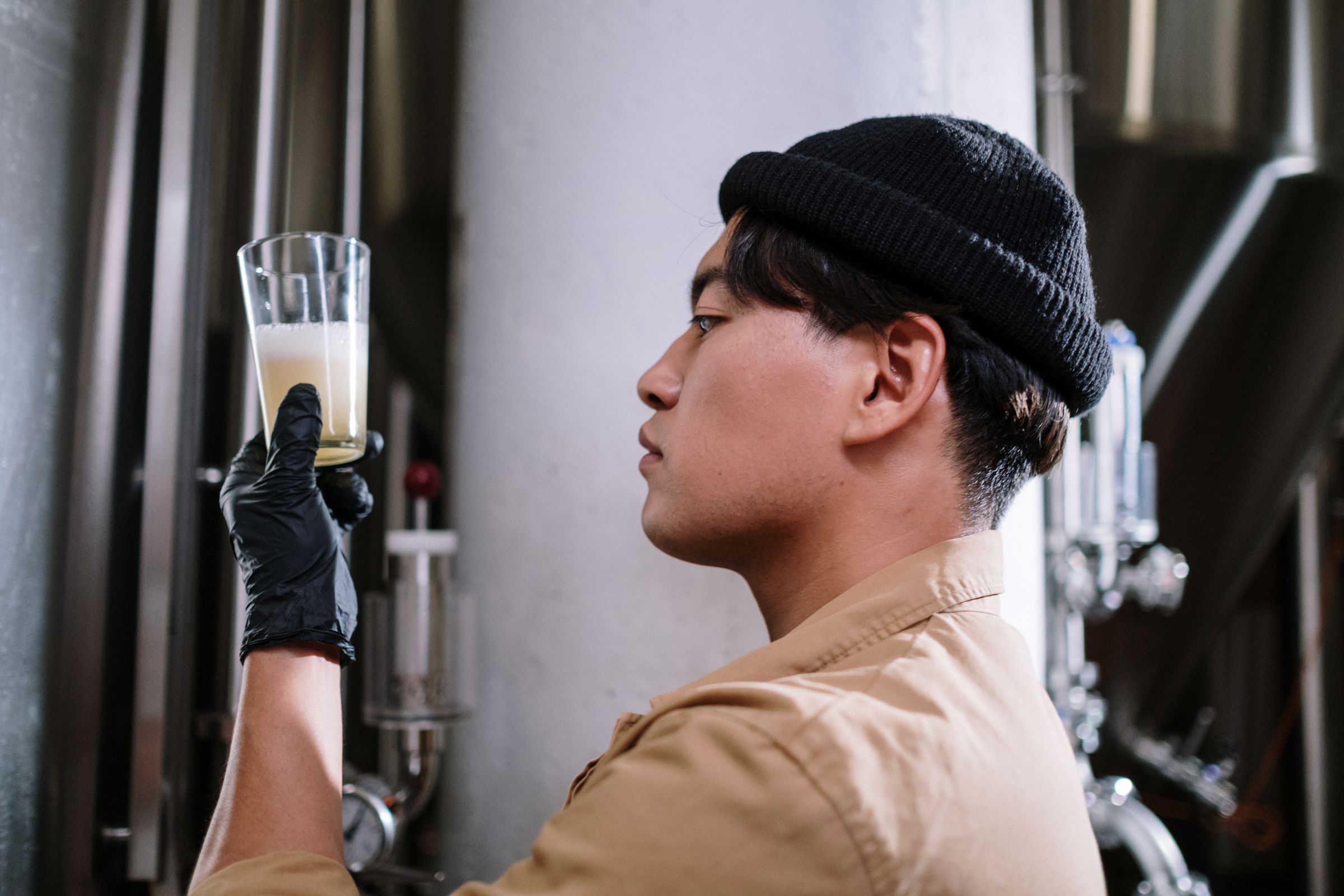
Premium ingredients create possibilities, but controlled fermentation turns those possibilities into consistent quality.
With Beer-o-Meter we make direct fermentable sugar measurements accessible to breweries without requiring a conventional analytical laboratory. The platform helps brewers follow sugar consumption, investigate fermentation performance and make more informed process decisions.
If you are investing in specialised yeasts, unique hops, specialty malts or innovative recipes, it makes sense to understand whether your fermentation process is delivering their full potential.
Visit testmybeer.com to learn how Beer-o-Meter can support your fermentation monitoring, or contact us to discuss the specific challenges in your brewery.