

On the 2nd of October, we joined the seminar organised by Selected Brewing Ingredients (SBI) in Veghel. It was a good opportunity to meet other brewers, discuss current challenges in brewing and learn more about the research behind modern brewing ingredients. Companies including Pinnacle/AB Biotek and Fermentis presented their products and explained how different yeasts and brewing ingredients can influence fermentation, flavour, efficiency and beer stability.
One thing became very clear during the seminar: there is much more science behind a bag of yeast, hops or another brewing ingredient than we let ourselves realise. Ingredient suppliers invest a lot of time and money in research before a new product reaches a brewery. New yeast strains are characterised under different fermentation conditions, while their influence on attenuation, aroma, flavour and fermentation performance is carefully studied both in the lab and in the glass.
The same applies to hops, enzymes and other brewing ingredients. Suppliers investigate extraction, stability, flavour development and interactions with the brewing process. This work gives brewers better ingredients, more choice and new possibilities to improve efficiency, create different flavour profiles or solve problems that were difficult to manage in the past.
The supplier does the research, but your brewery is different
There is, however, an important step between the supplier’s research and your finished beer. Your brewery has different wort, water, equipment, fermentation conditions and production routines from the brewery or laboratory where the product was originally tested. Even when you follow the supplier’s recommendation correctly, the result in your beer may therefore be different.
Buying a new ingredient and adding it to the tank does not automatically reproduce the results shown in a presentation or technical data sheet. Your pitching rate, oxygenation, fermentation temperature, tank geometry and process times can all influence the result. With hops, even the moment and method of dry hopping can significantly change what happens during and after fermentation.
This does not mean that the supplier’s research is less valuable. On the contrary, it gives us a strong starting point and saves brewers an enormous amount of development work. However, the last part of the research still needs to happen inside your own brewery, where you need to understand how the new ingredient interacts with your process and your beer.
Trial and error or trial and measurement?
Traditionally, breweries learn this through trial and error. We brew a beer, taste it, change something and brew it again. Experimentation is an important part of brewing and should remain so, but the process becomes much more useful when we measure what actually changed.
Imagine that you introduce a new yeast or hop product and the next beer tastes better. The new ingredient may be responsible, but fermentation may also have proceeded differently or attenuation may have changed. Without measurements, it can be difficult to separate the effect of the new ingredient from normal batch-to-batch variation.
A better approach is to experiment while measuring the experiment. You do not need to analyse every possible parameter or turn your brewery into a research laboratory. Instead, choose measurements that are directly connected to the question you want to answer and compare them between batches.
Hop creep is a good example
Dry hopping is a good example of why this approach matters. Hops are not only a source of aroma and bitterness, because they can also introduce enzymes that break down larger carbohydrates into sugars that yeast can ferment. This can result in hop creep, where a fermentation that appeared to be finished becomes active again after dry hopping.
If the beer is packaged before this process is finished, fermentation can continue in the bottle, can or keg. This can change the flavour and carbonation of the beer and, in more serious situations, lead to over-carbonation or gushing. Simply waiting the same number of days after every dry hop addition does not guarantee that every batch has reached the same point.
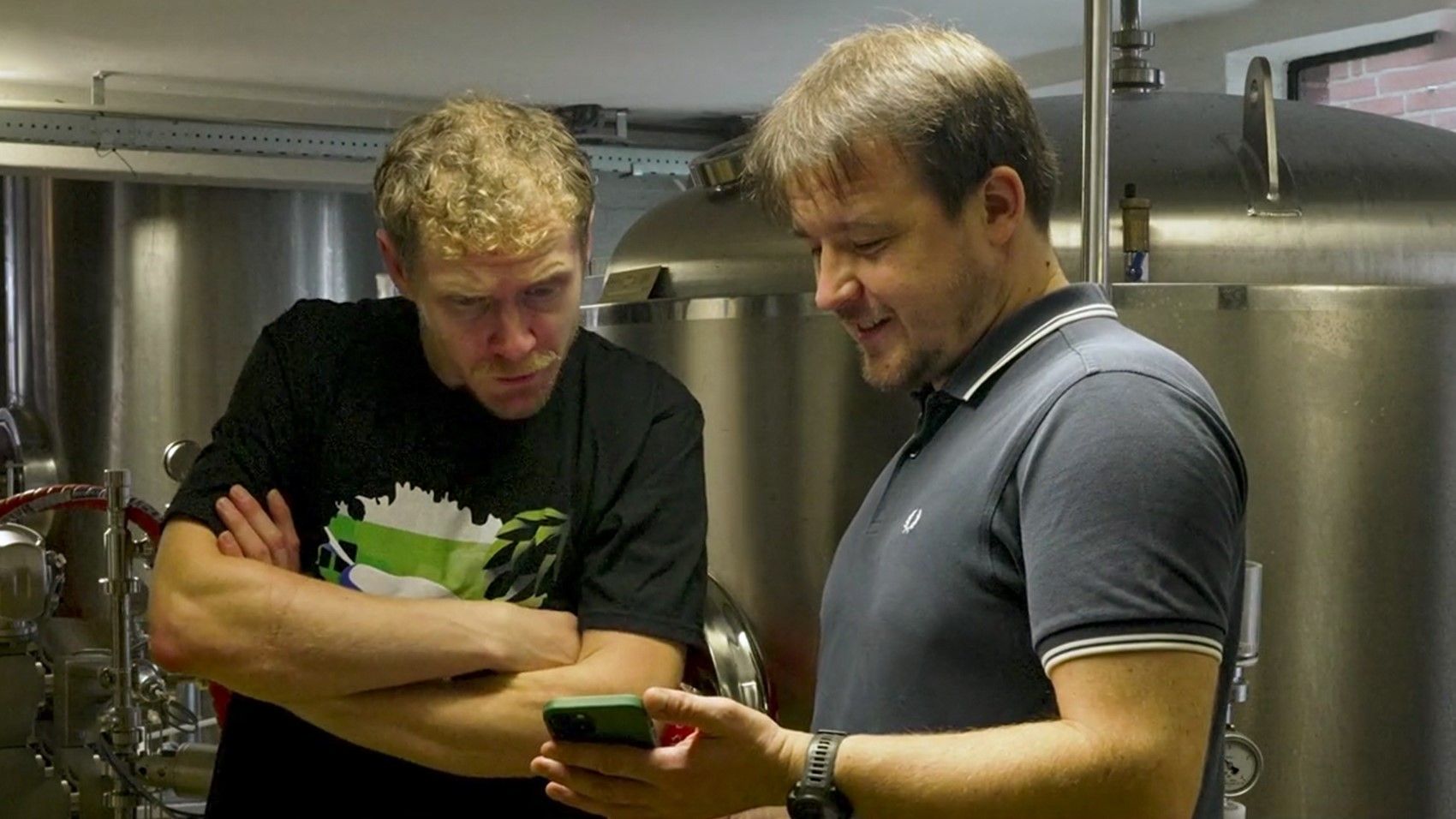
This is where fermentable sugar measurements can provide useful additional information. With Beer-o-Meter, we can measure fermentable sugars before dry hopping and follow them after the hops are added. If the amount of available fermentable sugar changes, we can observe what is happening and follow whether the yeast consumes these sugars before making the packaging decision.
Make innovation measurable
Modern brewing ingredients give brewers possibilities that were difficult to imagine in the past. Better yeast strains, new hop products, enzymes and process aids can help breweries improve quality, efficiency and consistency. The amount of research done by ingredient suppliers deserves recognition, and events such as the SBI seminar are valuable because they bring this knowledge directly to brewers.
The next step is to translate this knowledge into your own production process. When introducing a new ingredient, decide what you expect it to change and which parameters can show whether this is actually happening. Measure these parameters before and after the change, compare batches and keep the results.
Brewing will always contain experimentation, creativity and some surprises. Measurements do not remove these elements, and that should not be the goal. They replace the guessing with information, making it easier to turn an interesting new ingredient into a better and more consistent beer.